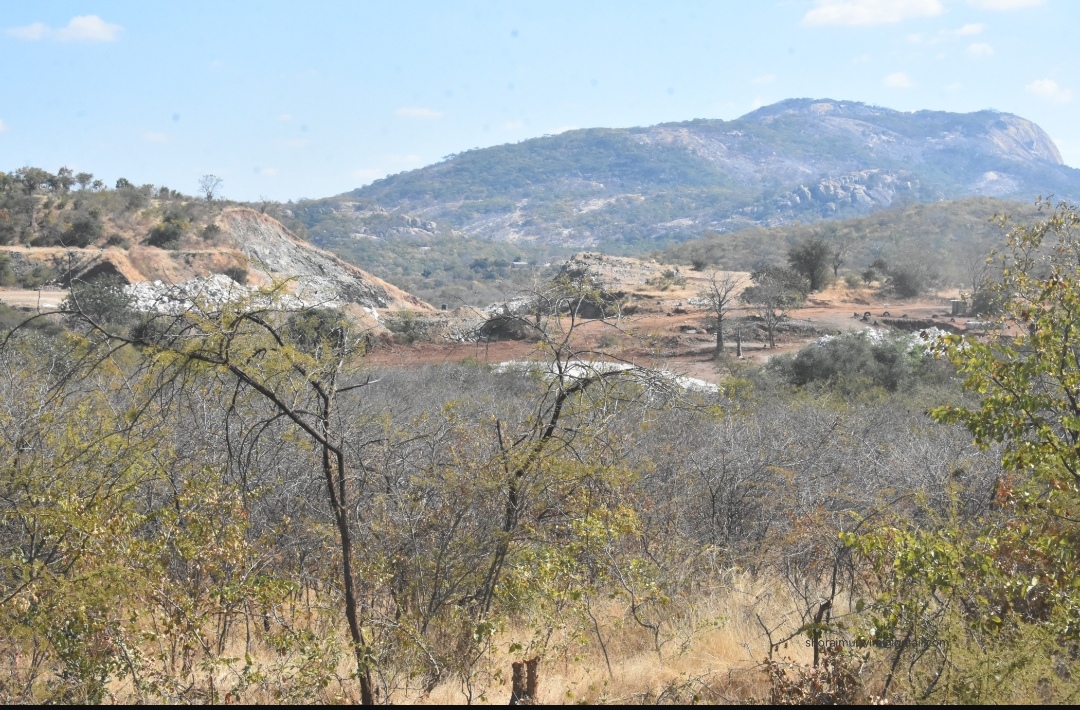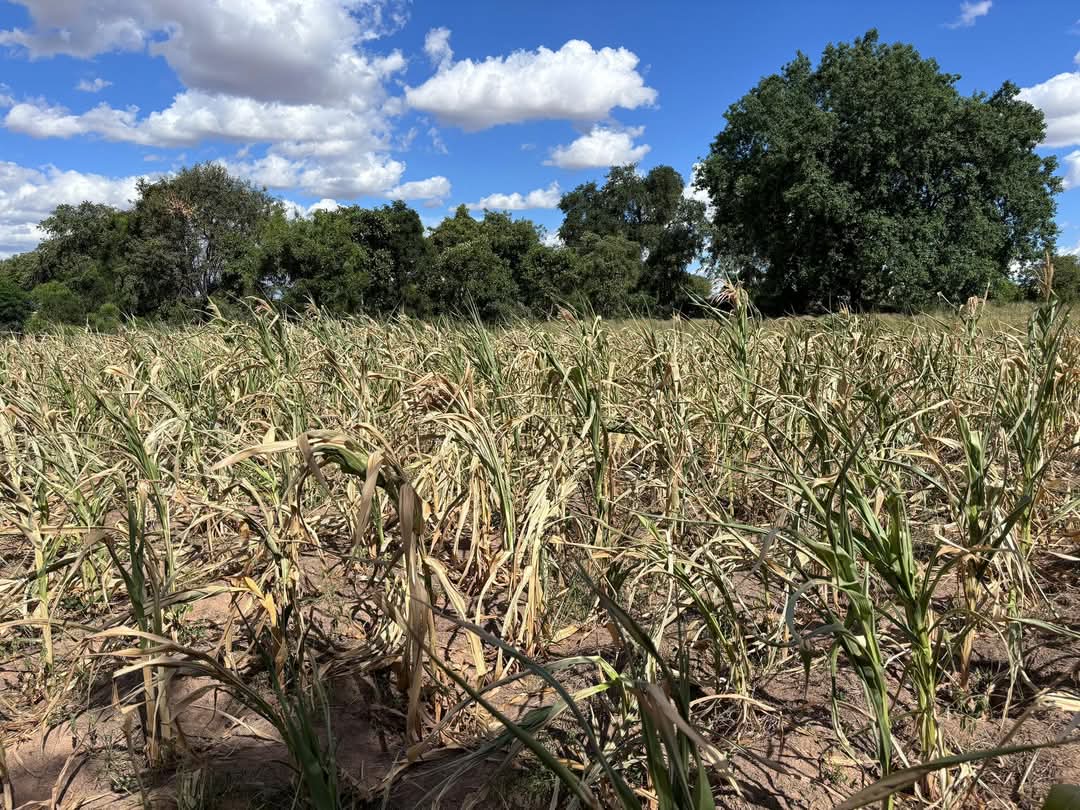

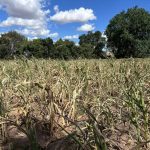



The journey into Shamva District begins with a landscape that tells its own story. The road cuts through rugged terrain marked by rocky surfaces, dry fields and the unmistakable signs of a community shaped by mining.
The afternoon sun hangs heavily over the district as we drive deeper into an area where many families depend on small-scale mining and agriculture as their main sources of livelihood.
Shamva is rich in mineral resources, but for many households, the presence of gold and other minerals has not always translated into stable incomes. Poverty, unemployment, and economic pressures continue to affect families, leaving some children at risk of dropping out of school as parents struggle to meet basic needs.
The challenges are further intensified by environmental pressures. Changing weather patterns, prolonged dry spells, and limited access to sustainable livelihoods have made survival even harder for vulnerable communities.
But amid these realities, there are stories of resilience and hope.
At schools supported through SOS Children’s Villages interventions, the sound of children learning fills the classrooms, a reminder that education remains one of the most powerful tools for breaking cycles of poverty.
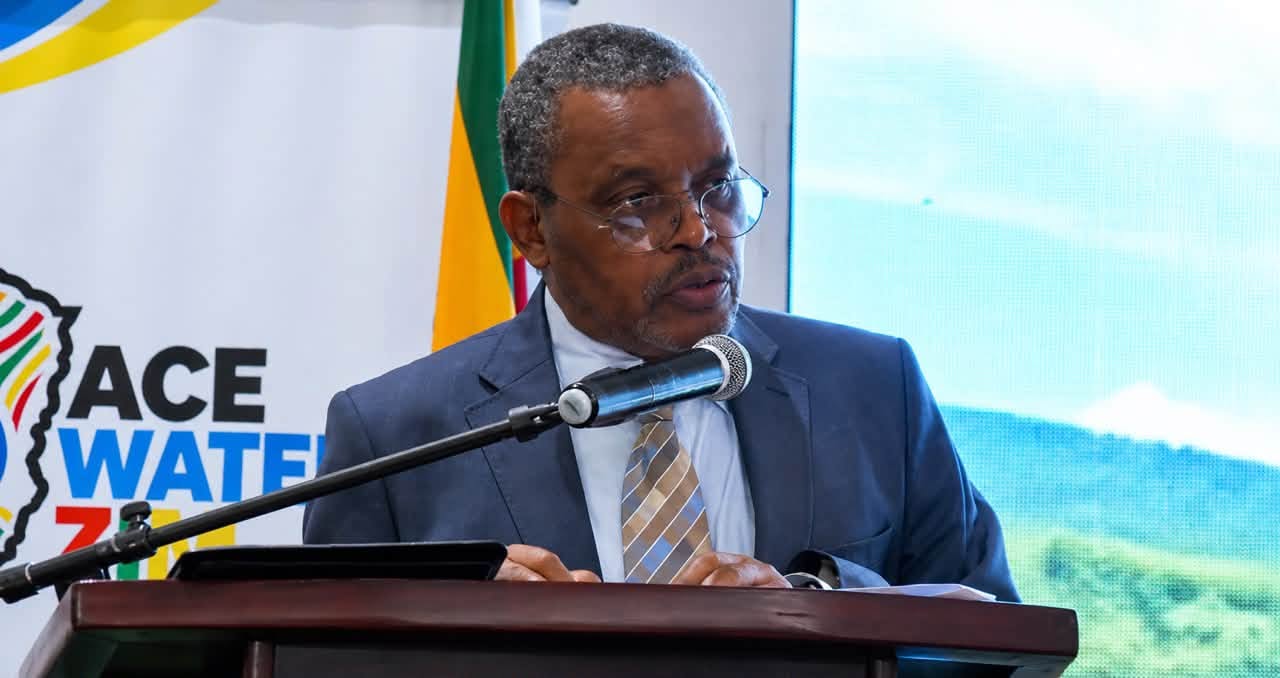
Shamva District Development Coordinator (DDC) Clever Maswera acknowledged that school dropouts remain one of the challenges affecting the district, driven by several social and economic factors.
He, however, commended SOS Children’s Villages for strengthening child protection systems and supporting vulnerable families.
“Child protection is one of the biggest areas where SOS is assisting us. They are doing a great job in our district, especially where mining is rampant. The approach they are using supporting children while they remain within their families is yielding results because issues of identity, family and culture are also considered,” said Maswera.
SOS Children’s Villages has been working with communities to strengthen child protection, education support systems and family livelihoods. Their approach focuses on ensuring that children remain within safe family environments while addressing the challenges affecting households.
The Family Strengthening Programme Coordinator with SOS Children’s Villages in Shamva, Malven Manyeza explained that supporting children requires strengthening the entire community around them.
“We are involved in a number of projects, but our flagship area is child protection. We understand that we cannot support a child without supporting the family. We also cannot support families unless the institutions around them, including schools and communities, are strengthened,” the coordinator said.
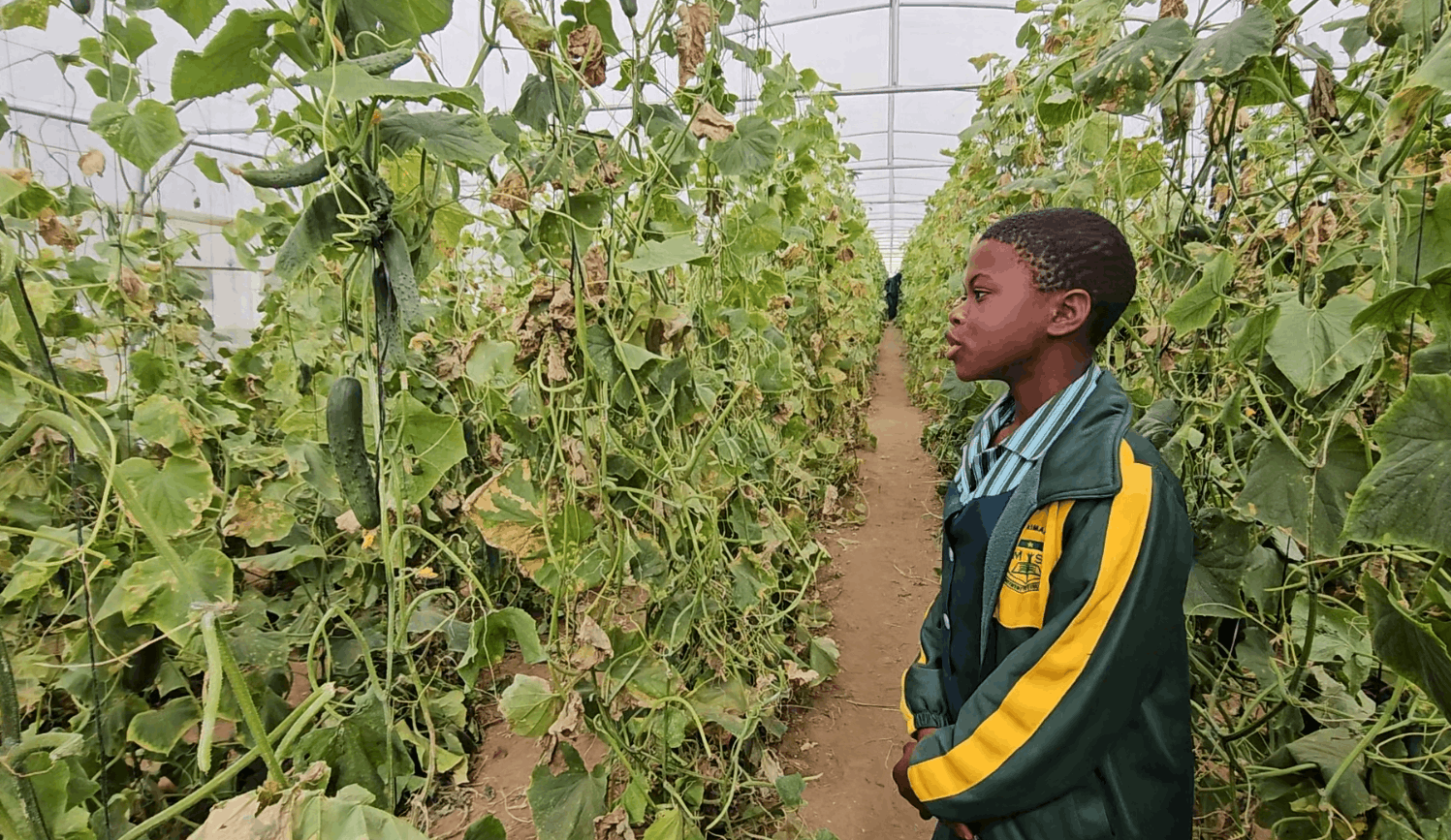
At one of the schools visited, vegetable gardens cultivated by learners, teachers and community members are changing the learning environment.
The gardens are more than just green spaces they are sources of food, practical learning and economic opportunity.
The produce is helping support school feeding programmes, ensuring that learners receive nutritious meals during the school day. For some families, income generated from these projects is also helping with school-related costs such as uniforms, stationery and fees.
For parents who once struggled to keep their children in school, these interventions have provided a lifeline.
“Before receiving support, it was difficult to provide everything my children needed for school. Sometimes children would stay at home because we could not afford the basics. These projects have helped us improve our livelihoods and keep our children learning,” said Joyce Mutunga, a parent benefiting from the programme.
Teachers have also witnessed the difference these interventions are making inside classrooms.
“Children are now more consistent in attending school because some of the challenges affecting families are being addressed. When learners have food and support at home, they are more focused and active in class.”
Beyond the schools, the visit continues into communities where livelihood projects, including greenhouse gardens and piggery projects, are supporting caregivers.
Beyond the agricultural projects, SOS Children’s Villages and its partners are also investing in initiatives aimed at strengthening livelihoods and creating opportunities for young people in Shamva.
The support includes community-based income-generating projects such as the Madziwa Community Poultry Project, valued at US$44 000, the Ward 3 Community Piggery Project worth US$50 000, and the Madziwa Youth Incubation Hub, which received an investment of US$14 500.
At the Madziwa Youth Incubation Hub, young people are turning skills development into pathways for economic independence.
Anisha Masaire,a 23 year old beneficiary said that the facility has become a place where creativity and opportunity meet.
Born with Osteogenesis Imperfecta, Masaire says the training she received has helped her build confidence and use her talents to create a source of income.
“I am learning cutting and designing here, and the skills I have gained are already helping me generate income. I make apostolic garments and African-inspired clothing. This programme has helped me believe in myself because I can now use my abilities to create something sustainable,” she said.
The youth hub provides more than just technical training. It offers young people access to equipment, working space, mentorship and business guidance, resources that are often difficult for emerging entrepreneurs in rural areas to access.
Shamva District Development Officer in the Ministry of Youth Empowerment, Development and Vocational Training, Patience Fungai Mukwanda, said the facility was created to address a common gap facing vocational graduates.
“Many young people were receiving training, but after completing their courses, their skills were not being utilised because they lacked equipment, working spaces and support to start businesses. The incubation hub helps bridge that gap by providing shared resources and mentorship,” she said.
According to Mukwanda, hundreds of young people have benefited from the initiative through training in areas such as clothing and textile production, beauty therapy and information communication technology.
She said the goal was to support young people to move from being job seekers to becoming entrepreneurs who contribute to the development of their communities.
Across Shamva, these interventions show that building resilient communities requires more than addressing immediate challenges. Supporting families, empowering young people and creating sustainable livelihoods are all part of ensuring children grow up in stable environments where they can learn, thrive and pursue their dreams.
SOS authorities also said that for communities affected by economic pressures and environmental changes, these projects represent a shift from dependency towards self-reliance, proving that even small-scale initiatives can create lasting transformation.