



In Buhera, families say mining dust and workplace injuries are leaving communities sick, disabled and searching for answers….
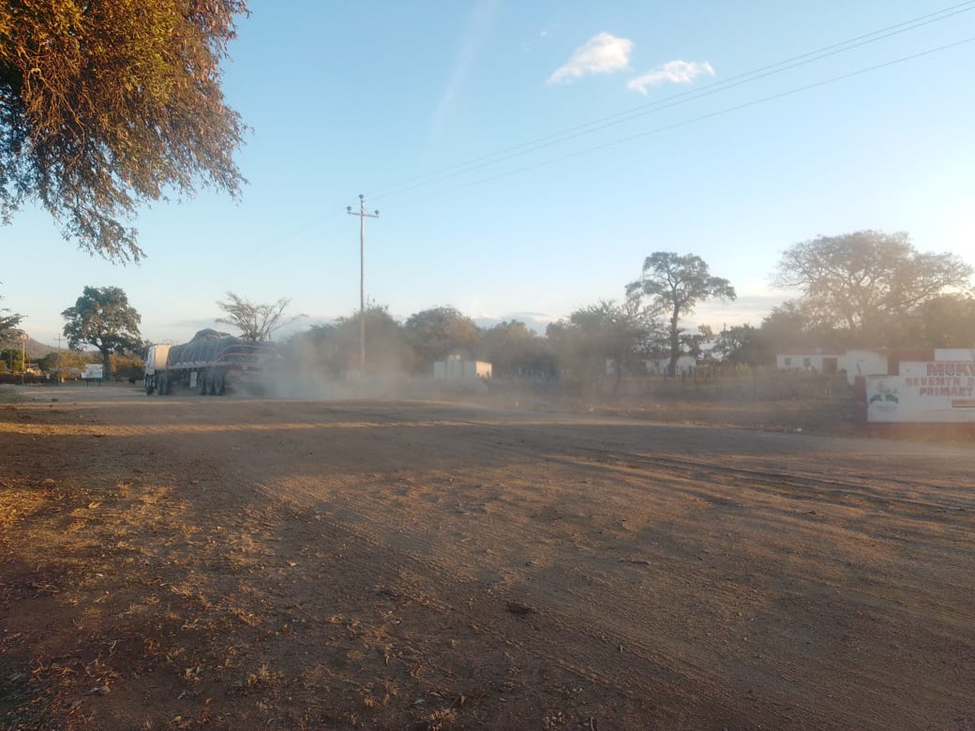
Over 100 heavy trucks ply a 37km long dust road between the mine and Gaza every day raising dust that is affecting nine schools along the road and communities.
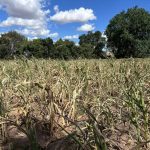
The dust is so heavy that it also affects grass and vegetation that cattle, goats and wildlife feeds on, while people are inhaling it daily.
Recently, the Portfolio Committee on Environment, Climate and Wildlife was told that hundreds of school children in Buhera are attended to at local clinics every year, borehole water has become non potable, cattle and goats are dying from water at dump tailings due to activities of Chinese owned Sabi Star Lithium Mine.
This sound of mining trucks had become part of everyday life in 11-year-old Chantiel Museka Makuni, in Buhera village.
Every morning, the young school girl walked dusty roads to school as heavy vehicles rumbled past nearby homes, leaving thick clouds hanging in the air long after they disappeared. Villagers had grown used to wiping dust from windows, blankets and plates. Children played beneath skies often blurred by mining activity.
To many families, it was simply the price of living near the mines.
No one imagined the dust could one day be linked to death.
When Chantiel suddenly fell ill and died, shock and grief spread across the St Albany community. Her family says a postmortem examination later revealed traces of dust in her brain, a finding that has left villagers frightened and desperate for answers.
“It was in September of 2024, I cannot recall the exact date she died but it was in September,” said Chantiel’s grandmother recalling that it started as headache and they thought it was as simple as that but later on when they seek medical attention, they were told she had dust in her brains.
Now, her death has become a painful symbol of what residents in mining communities say is a growing but largely ignored health crisis unfolding in parts of Zimbabwe.
“We are breathing this dust every day,” said one community member Senzeni Taruwona. “Our children inhale it. We eat it. We sleep in it.”
Chantiel’s father said he is still in pain and would not want to talk about her daughter’s case. He however gave this publication a go ahead to talk to the grandmother because she was the one staying with her but the time she fell ill.
In Buhera, residents say life has changed since mining operations intensified in the area. Blasting, heavy machinery and constant truck movement have become part of daily life, bringing fears over health and safety.
Inside many homes, women say they clean surfaces repeatedly as fine dust settles almost everywhere.
Some say children are developing persistent coughs.
Others complain of headaches, chest pains and irritated eyes.
For gogo Chikunda, the suffering is visible every day.
Sitting quietly outside her homestead, she constantly wipes tears from her watery eyes using the edge of her dress. She says the irritation has worsened over time and doctors suspect dust exposure may be contributing to the condition.
“Sometimes it burns badly,” she said softly. “The dust enters our homes every day.”
Residents say the situation becomes worse during blasting periods or when haulage trucks speed through villages without water being sprayed to reduce dust.
While some families fear invisible health effects, others are living with permanent physical injuries they say were caused by unsafe mining conditions.
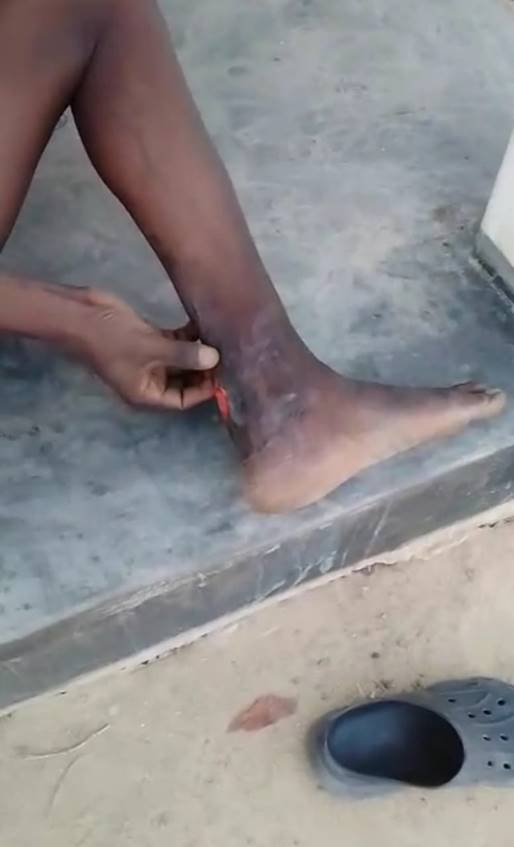
Mandiyambira Willard remembers the day his life changed in October 2023.
Once a hardworking man who depended on physical labor to provide for his family, he now struggles to walk after suffering a leg injury while working at a mine.
He says the injury left him unable to continue working and pushed his family into hardship.
“I can no longer do the work I used to do,” he said. “Everything became difficult after the accident.”
Today, most of his days are spent at home while others continue working around him.
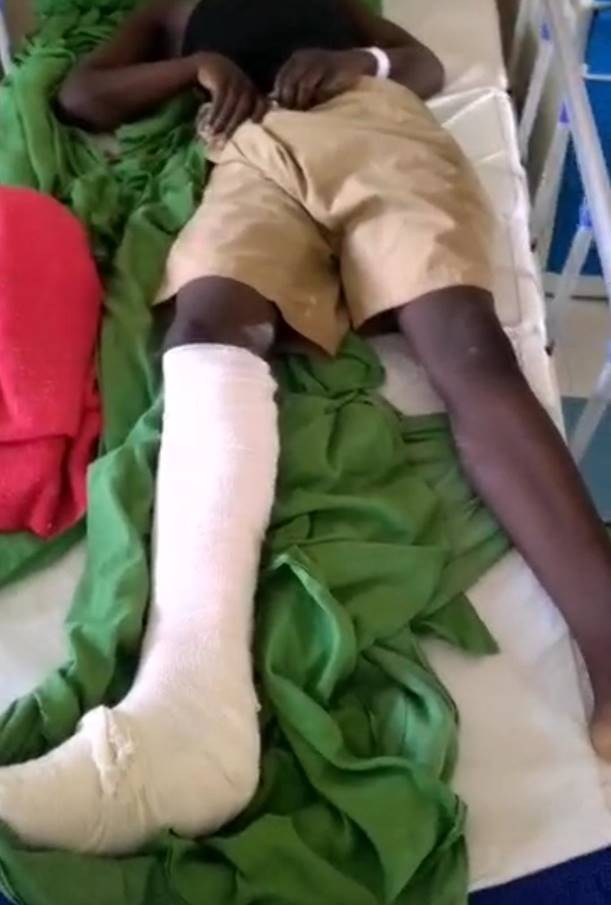
Another injured worker, Tafadzwa Rwambiwa tells a similar story.
He says he also sustained a serious leg injury while working at a mine and expected compensation or assistance after the accident. But years later, he says he is still struggling without meaningful support.
The injury not only affected his mobility, but also his ability to care for his family.
“I was injured while trying to earn a living,” he said. “Now it feels like I am forgotten because I never et to return to work again.”
Their stories reflect growing concerns from labor and environmental rights advocates who argue that some mining communities are carrying the hidden costs of Zimbabwe’s mineral extraction boom.
In Bikita, where lithium mining activities have expanded rapidly in recent years, residents are also raising concerns over exposure to mining waste locally referred to by some villagers as “vim.”
Community members say fine particles from the waste are blown by wind into nearby homes and villages, leaving many worried about long-term health effects.
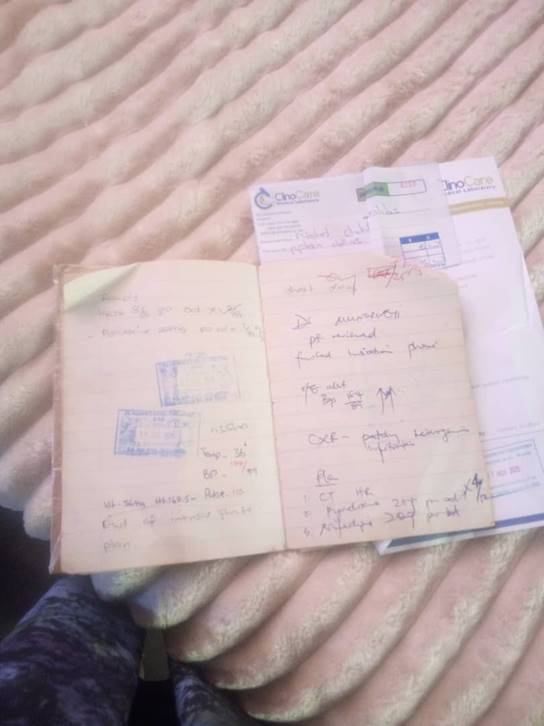
For Nezbert Chakatai, the dust left him a life-threatening illness, tuberculosis. He struggles to pay for his medical bills and the expensive treatment required.
Parents fear for their children, who often play close to waste dumping areas.
Others complain of breathing discomfort and persistent coughing.
Yet many residents say they have received little information explaining the possible dangers associated with prolonged exposure to mining dust and waste.
What investigations has EMA conducted into the dust pollution reportedly linked to mining activities in Buhera (specifically in St Albany), and what were the findings?
The Environmental Management Agency (EMA) carries out both statutory and adhoc inspections in mining areas, including in Buhera, as part of monitoring compliance to environmental regulations. Fugitive dust remains one of the major environmental challenges observed around areas where there is extraction of minerals.
When asked about what enforcement or mitigation measures have taken to ensure mining companies comply with environmental regulations on dust emissions and protect residents from further exposure?
Environmental Management Agency (EMA) said, “In response to such violations, the Agency issues Environmental Protection Orders (EPOs) to non-complying projects, ordering the adoption of dust suppression measures, including compaction of dusty roads and frequent watering of the same and other open spaces, which are often sources of fugitive dust.
“Over and above this, the Agency constantly monitors compliance with the given orders on dust suppression and all other identified environmental parameters,” said Amkela Sidange, EMA’s Environmental Education and Publicity Manager
Health experts warn that long-term exposure to dust generated from mining operations can contribute to respiratory complications, eye irritation and other health problems, particularly in communities located close to blasting sites or waste dumps.
Researches reveal that silica or dust can cause lung diseases like silicosis. By reducing lung function, the brain is chronically starved of oxygen resulting in headaches, dizziness, confusion and memory issues and in some cases, death.
As Zimbabwe positions itself as a major player in the global lithium sector and other mining industries, questions continue to emerge over whether communities living closest to extraction sites are adequately protected.
Concerns are also growing over compensation for injured workers and accountability when accidents or health complications occur.
Residents also complained against alleged damage to buildings from blasting, limited employment opportunities for locals and challenges faced by families relocated from the mining area.Committee Chairperson Sam Matema said the hearings had highlighted the need for improved engagement between the mine, communities and other stakeholders.
Matema said after hearing the complaints, his committee will write a report and submit it to Parliament.“It looks like there is little engagement. Schools, clinics, local leadership, stakeholders and the mine should sit down and engage.
As a committee, we came to hear your concerns and make a report with recommendations to Parliament,” said Matema.The public hearings followed a petition submitted by the Buhera Residents Network Trust (BRNT) on behalf of residents seeking a parliamentary inquiry into environmental, health, social and economic concerns raised by communities around Sabi Star Mine
For Chantiel’s grandmother, however, the issue is no longer about policies or mining profits.
It is about loss.
Inside their home, memories of a young girl whose life ended too soon remain painfully fresh.
Outside, the mining trucks continue to pass through the community, raising clouds of dust into the air.
And for many villagers in Buhera and Bikita, the fear is that more lives could still be buried beneath it.