




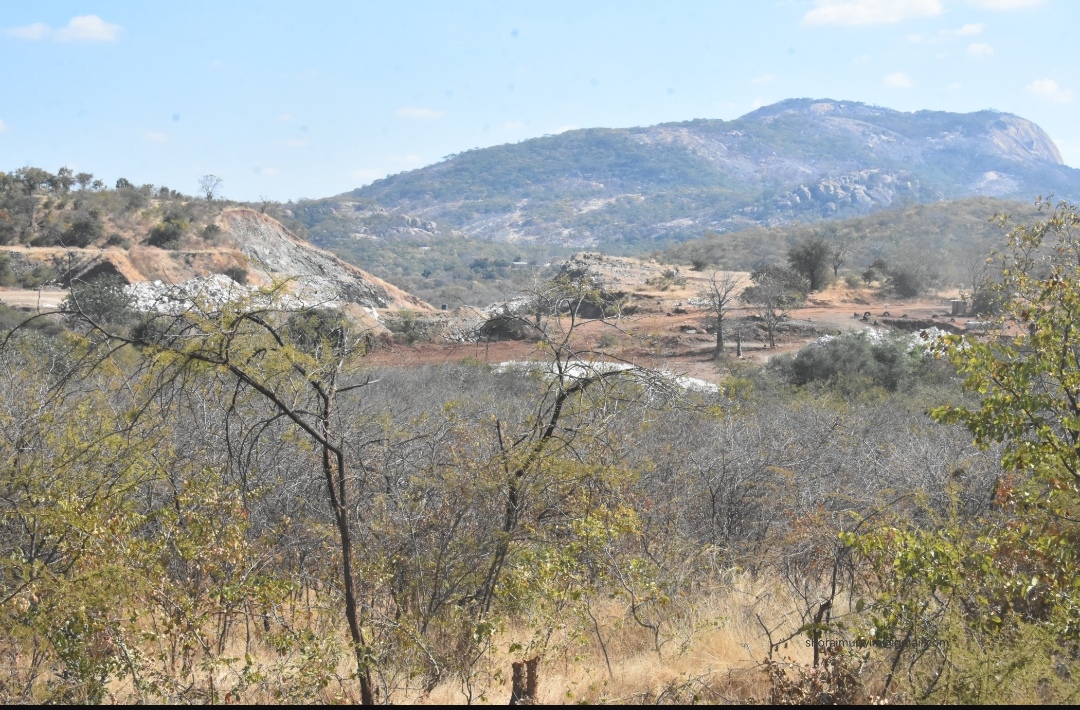
Communities from mineral-rich areas across Zimbabwe have called for greater accountability, transparency and inclusion in the country’s growing critical minerals sector, raising concerns over land degradation, water shortages, pollution and alleged rights violations linked to mining activities.
The concerns emerged during the two-day Annual National People’s Conference on Critical Minerals and Just Transitions held in Harare this week under the theme “From the Ground Up: Communities, Justice and Zimbabwe’s Critical Minerals Future.”
Community members shared experiences of how mining activities have affected their livelihoods, with some citing environmental destruction, dust pollution, reduced access to water sources, displacement and exclusion from decisions affecting their land and resources.
“Hwange is at zero rehabilitation; everyone is suffering. At first, things were better when we only had Hwange Colliery mining, but with the proliferation of mining companies, things became worse,” said Thobekile Shoko, a representative from Hwange said the expansion of mining activities had worsened environmental challenges in the area, adding that communities were now dealing with the impacts of unrehabilitated mining sites.
She said communities had witnessed environmental damage linked to mining activities, including coal seam fires and dangerous ground conditions.
“People were getting burnt, and the ground started opening and swallowing people. Environmentalists say these seam fires are caused by open mining,” she added.
The Hwange community representative also raised concerns over mining activities extending into wildlife areas, saying this was increasing human-wildlife conflict.
In Buhera, community members said mining operations had resulted in the demolition of houses and relocation of families, leaving some residents struggling to access basic services.
“When the mine came, they exhumed graves and demolished houses, saying people were on the mining claim. People refused to move, but later they were forced,” said Eunice Chiyangwa, a community representative.
She said relocated families were now living in Murambinda, where access to water remained a challenge.
“Water is scarce. The houses have no title deeds, and we are afraid that one day we will be told to move again because we do not feel like we own these houses,” she said.
Representatives from mining-affected communities said the expansion of critical mineral extraction must not come at the expense of people living in resource-rich areas.
The gathering brought together community representatives from Bikita, Hwange, Buhera, Goromonzi and other mining-affected areas, alongside policymakers, academics, civil society organisations, legal experts and development practitioners to discuss the future of Zimbabwe’s critical minerals industry.
Communities from Bikita, home to lithium mining activities, highlighted concerns around environmental impacts and called for mining companies to ensure that local communities benefit from mineral wealth.
Participants also raised concerns about alleged harassment and abuse experienced by communities when raising questions about mining operations, calling for stronger protection of community voices and human rights defenders.
The conference emphasised the need for a just transition as Zimbabwe positions itself as a key player in the global clean energy supply chain through minerals such as lithium, nickel and other strategic resources.
Delegates called for mining policies that prioritise environmental protection, gender inclusion, corporate accountability, value addition and fair benefit sharing.
Speaking during the conference, Centre for Natural Resource Governance (CNRG) director Farai Maguwu said Zimbabwe’s mineral wealth must translate into improved livelihoods for communities.
“Critical minerals must benefit both people and the planet,” Maguwu said.
He added that communities living in areas where minerals are extracted continue to experience poverty despite the growing value of mineral exports.
“This year alone, lithium exports were worth about US$5 million, but the communities where lithium is being extracted from are still suffering from poverty,” he said.
The conference concluded with the adoption of a National People’s Declaration on Critical Minerals and Just Transitions, outlining demands for improved governance, mean