

A climate resilience project implemented in Rushinga District has strengthened food security and improved livelihoods for vulnerable communities, with government pledging to build on the gains made through climate adaptation initiatives.
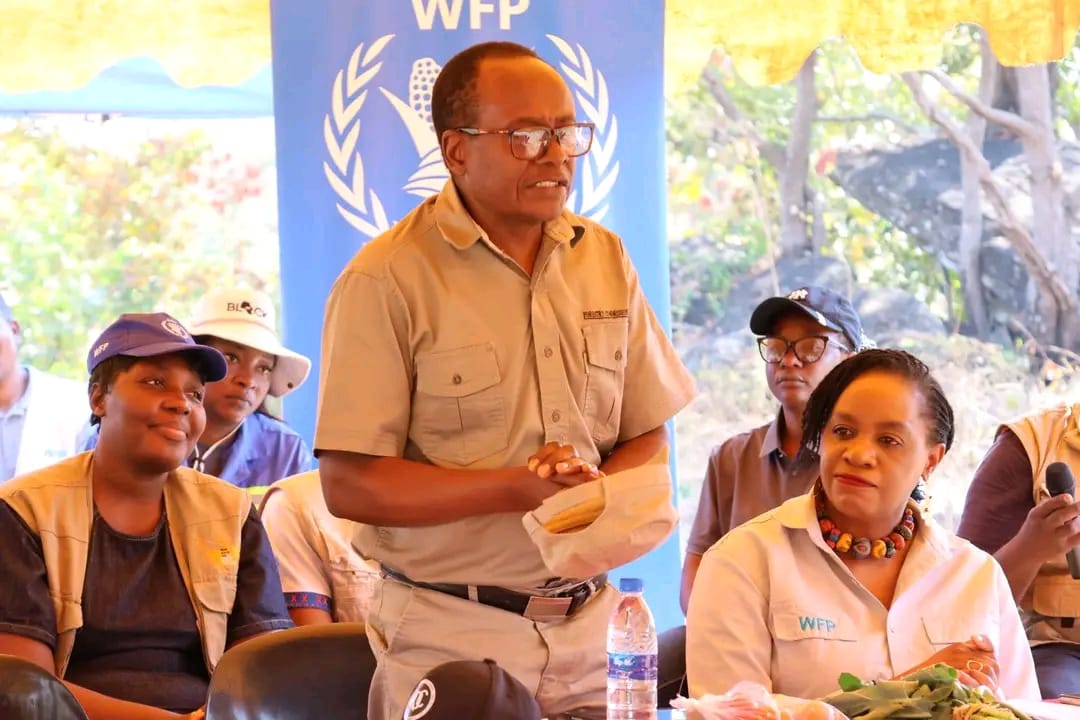
The Integrated Climate Risk Management for Food Security and Livelihoods Project officially came to a close on Wednesday during a ceremony at Chishonja Village in Mashonaland Central Province, attended by the Ministry of Environment, Climate and Wildlife, the World Food Programme (WFP) and other development partners.
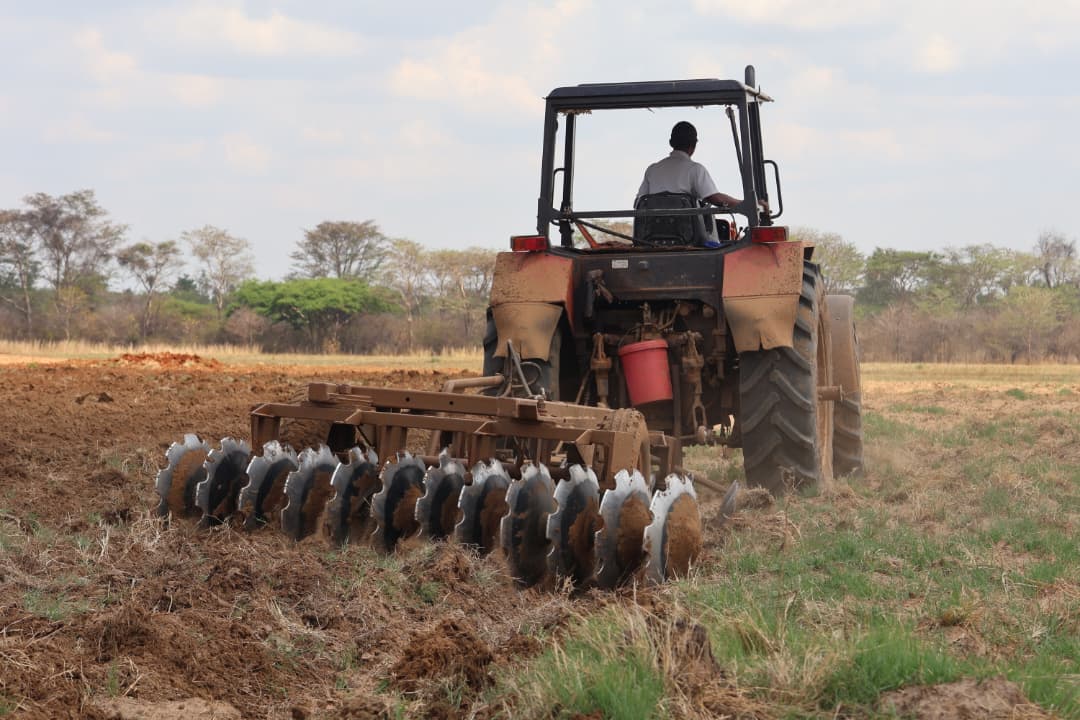
The project focused on equipping communities with climate-smart farming practices and sustainable livelihood interventions to help them withstand the growing impacts of climate change.
Speaking during the close-out event, the Ministry’s Chief Director, Washington Zhakata, praised the Chishonja community for embracing the initiative and adopting practical solutions that enhance resilience to climate shocks.
He said, “the success of the project demonstrates the importance of investing in community-driven climate adaptation programmes that improve household food security while protecting natural resources.”
Zhakata reaffirmed the Government’s commitment to strengthening partnerships that support climate adaptation, environmental sustainability and resilient livelihoods in line with Zimbabwe’s national development priorities.
During the visit, officials toured one of the project’s community gardens where beneficiaries displayed thriving crops, including tomatoes and leafy vegetables, produced using irrigation infrastructure and equipment supplied through the initiative.
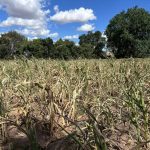
The gardens have become a source of nutritious food and income for participating households, illustrating how climate-smart agriculture can help communities adapt to erratic rainfall and prolonged dry spells that have become increasingly common in Zimbabwe.
The Ministry said it remains committed to expanding climate adaptation programmes that empower vulnerable communities, strengthen resilience to climate change and contribute to a sustainable and food-secure Zimbabwe.
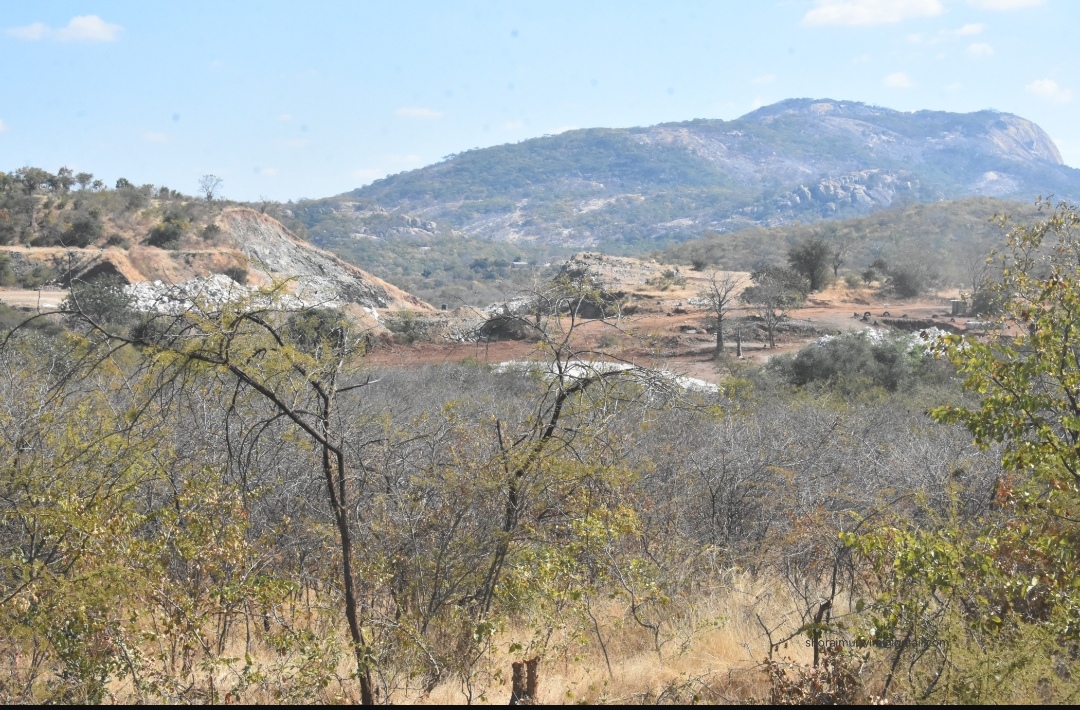
The project forms part of broader efforts by the Government and development partners to enhance climate resilience in rural communities that are increasingly exposed to droughts, unpredictable weather patterns and other climate-related risks.