



From the farmlands of Lalapanzi and Chegutu to fire stations in Chegutu and Bulawayo, Belarus-supplied machinery is supporting agricultural operations and emergency response, although challenges such as water shortages remain a concern for farmers.
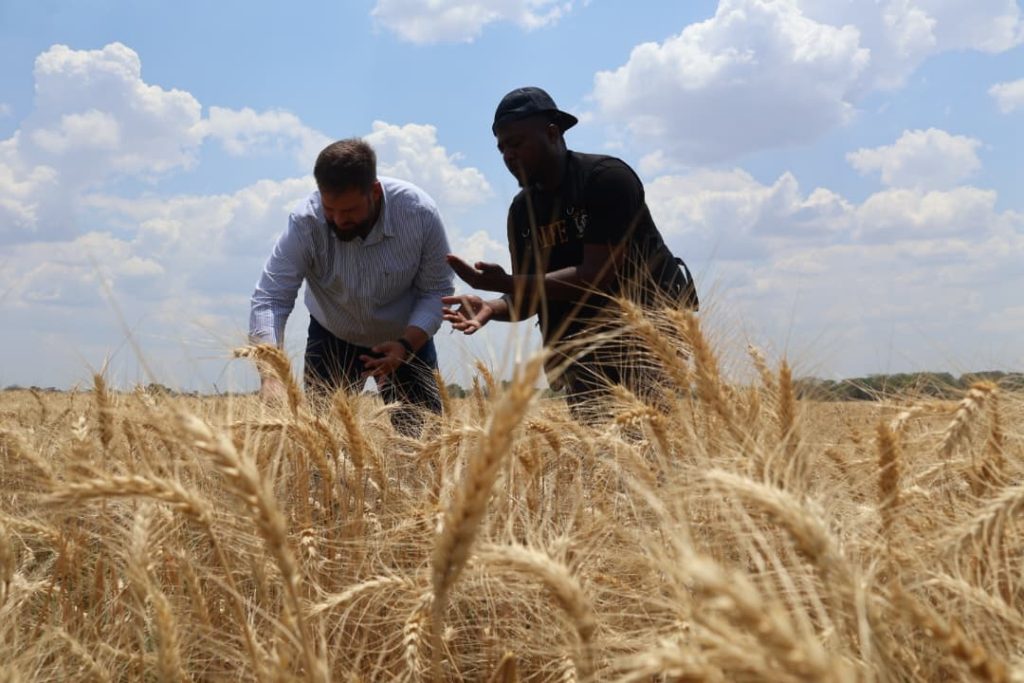
Golden fields of wheat stretch across the farming landscape, with their heads heavy with grain and ready for harvest. In the distance, combine harvesters move steadily through the fields, cutting through the mature crop as trucks stand ready to ferry the harvest.
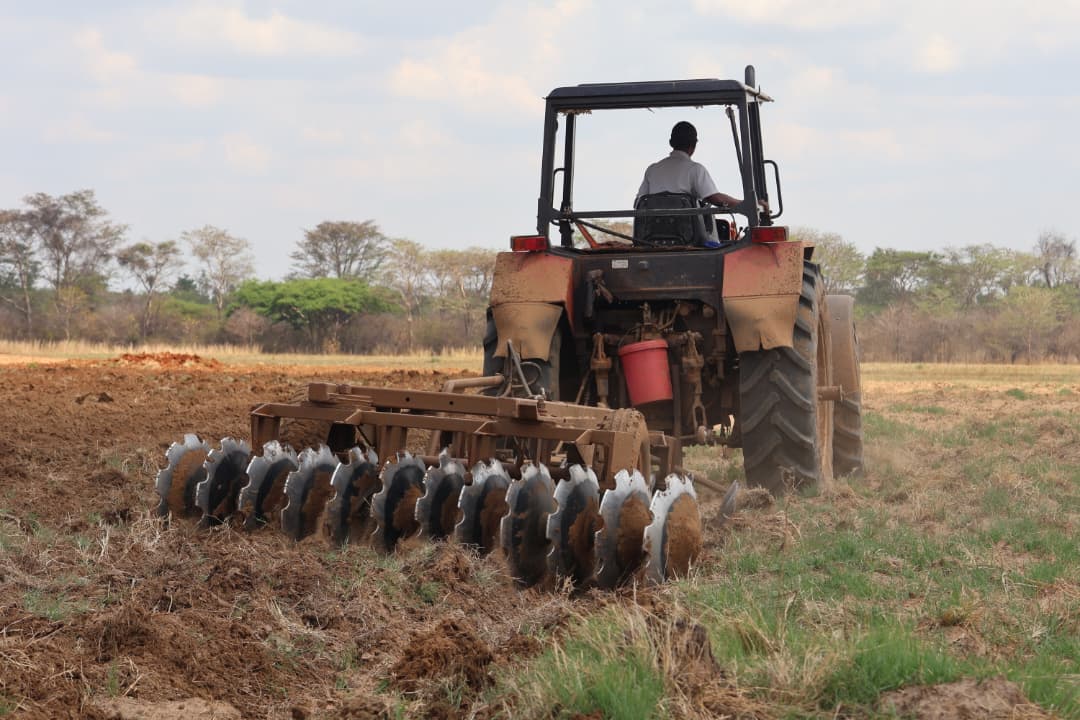
On neighboring plots, the scene is different but equally busy, tractors and other machinery move across the land, preparing the soil for the next planting season.
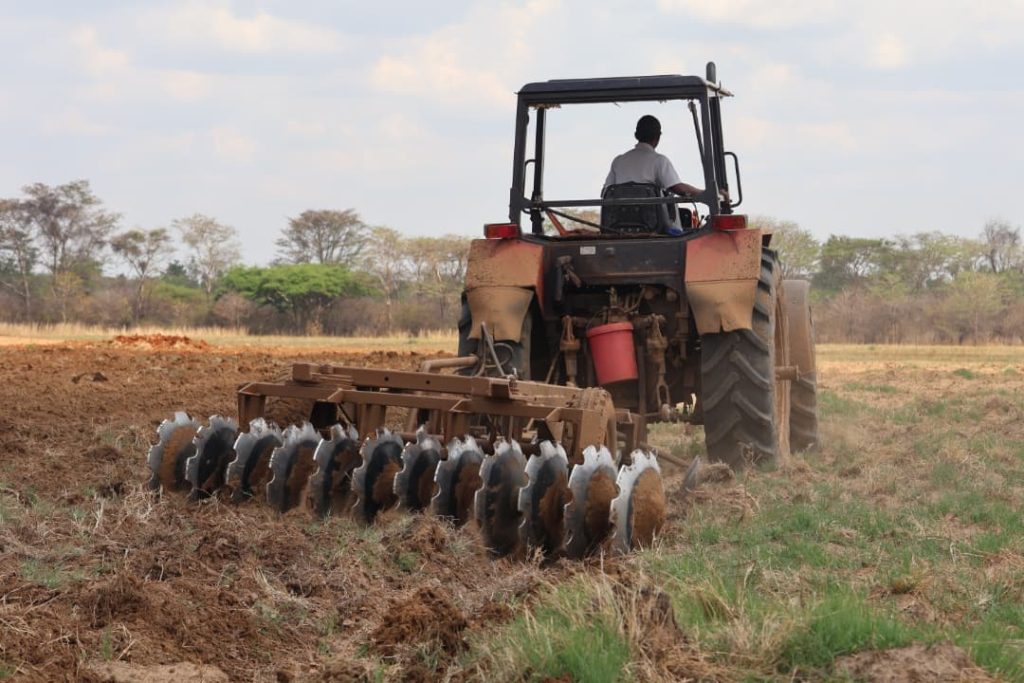
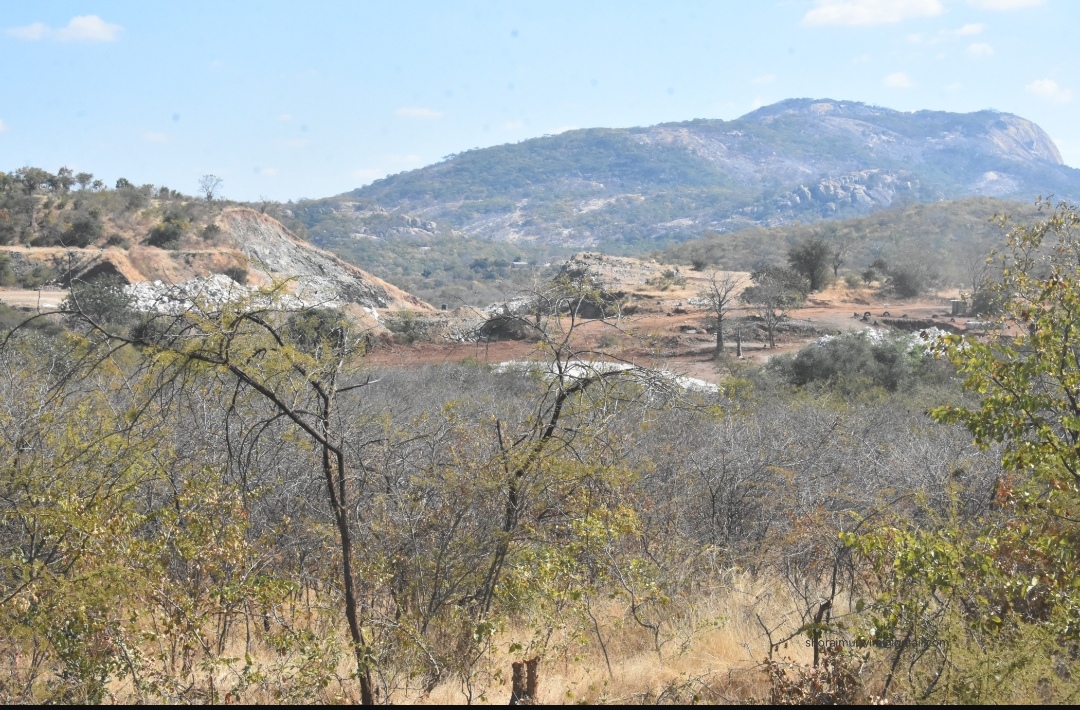
As the landscape opens up to cultivated fields, the machinery stands out against the rural setting, with farmers racing against time to harvest mature crops and prepare land for the next season.
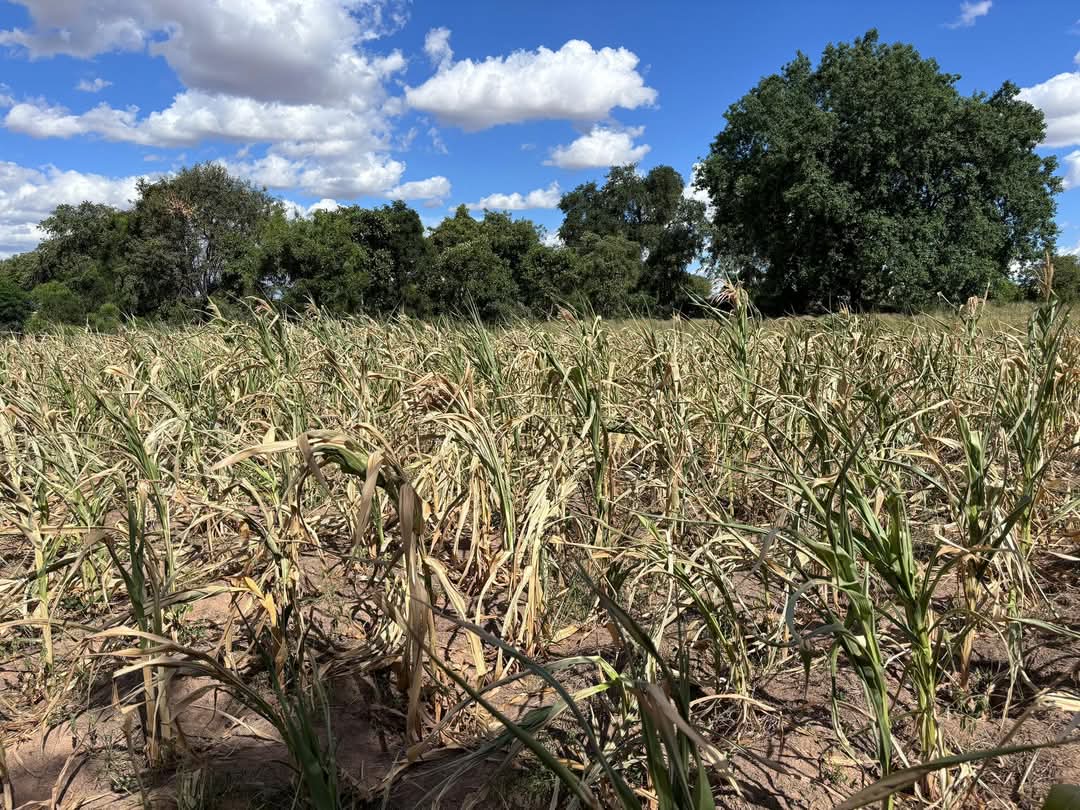
For farmers, these operations are becoming increasingly important as changing weather patterns make agricultural planning more challenging.
Yet, amid these challenges, some farmers attest seeing opportunities in combining mechanisation with proper planning.
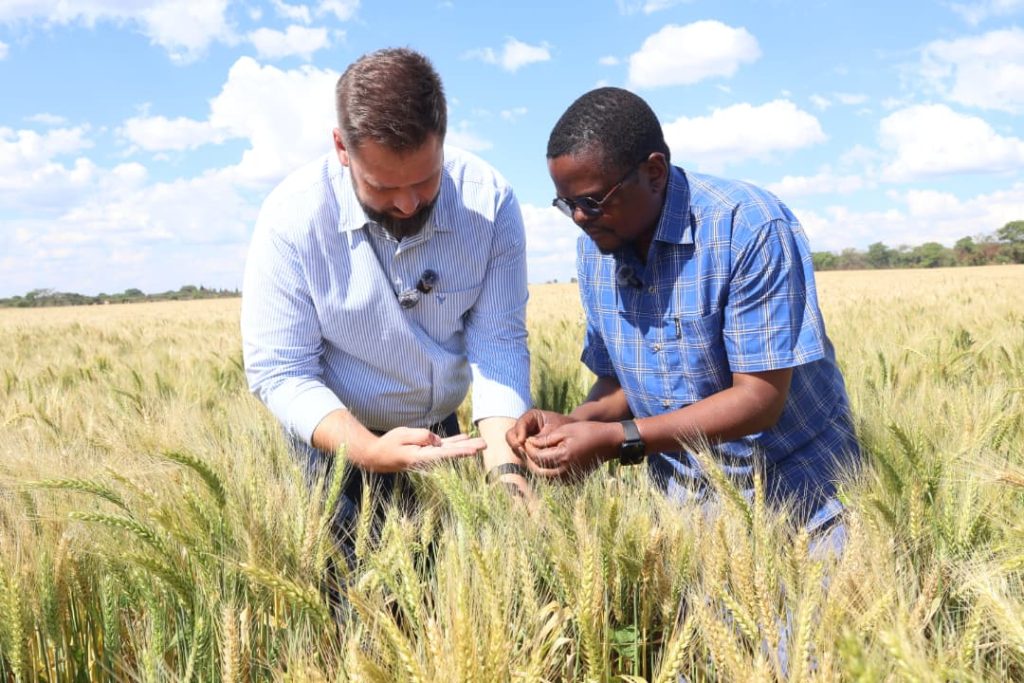
For farmers like Clever Matutu in Lalapanzi, the hope is that access to machinery, combined with careful planning, can help improve agricultural operations and support promising yields despite the uncertainties associated with climate change.
Matutu said access to Belarus machinery had helped improve the way farming operations were conducted.
“Having access to this machinery makes our work easier, particularly during harvesting and transportation. Farming requires us to work within specific periods, and having reliable equipment helps us complete our operations more efficiently,” said Matutu.
He said the availability of trucks and combine harvesters had helped address some of the difficulties associated with agricultural production.
“The machinery cannot change the weather, but it can help farmers respond when conditions are right. When crops mature, combine harvesters can reduce the time needed to gather them, while trucks help move the produce,” said Matutu.
Matutu is among the farmers using Belarus machinery under a contracting arrangement aimed at supporting agricultural production. The trucks and combine harvesters are helping farmers with harvesting and transporting produce, demonstrating the role mechanisation can play in improving farming operations.
During a visit to farms in Lalapanzi and Chegutu, farmers showcased how they were using the machinery in their agricultural activities. The tour also included visits to fire stations in Chegutu, Kadoma and Bulawayo, where Belarus-supplied fire engines are being used to respond to emergencies.
For farmers, access to machinery can reduce the time required to harvest crops and transport produce to the market. This is particularly important when harvesting needs to be completed within a limited period to minimise losses and ensure crops reach their destinations on time.
In Selous, Chegutu, another farmer Tapiwa Muduvuri, who is also using Belarus machinery, said he is expecting to get about nine to ten tones of wheat per hactor.
Muduvuri is a commercial farmer who does different crops who expressed his gratitude for the introduction of Belarus machines in a deal struck between the President of Zimbabwe and Belarus.
“The machinery is helping us with our farming operations, this year I am expecting a double yield. I have improved the capacity and I am expecting nine to 10 tones.
For Tapiwa, the availability of machinery is a positive development, and he urged other young to venture into farming for the betterment of the country.
Onias Chikote, who works as a tractor operator at Muduvuri’s farm said the trucks are the most reliable, easy to use and suit harsh weather conditions of Chegutu than any other tractors he has ever operated.
“I can just check if everything is fine in the morning, then after that I can spend the whole day using it without challenges. I also noticed that it does not experience break downs like other trucks whose engines always boil due to hot temperatures of Chegutu,” he said.
Fire Engines Bring Additional Capacity
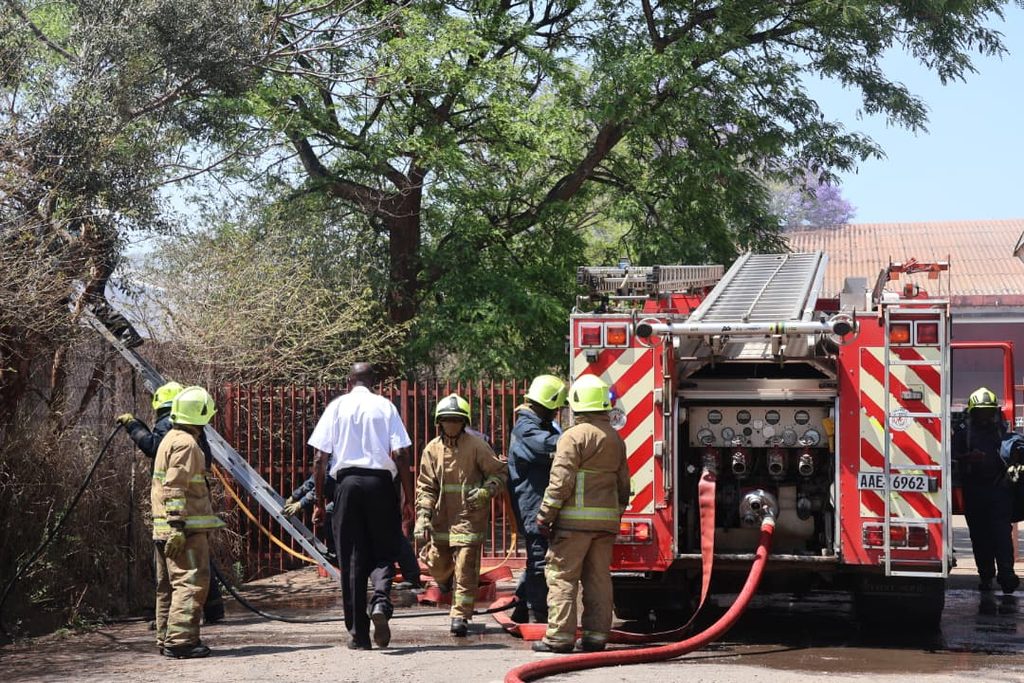
Beyond agriculture, the visit examined the use of Belarus-supplied fire engines at Kadoma,Chegutu, Kwekwe and Bulawayo fire stations, where chief fire officers described the trucks as reliable and highlighted their water-carrying capacity.
Each truck has a reported capacity of 5,000 litres of water, which the officers said was an important advantage compared with some of the vehicles they had previously used.
Chegutu Chief Fire Officer, John Chinamaringa, said the trucks had proved useful in supporting firefighting operations.
“The Belarus fire engines have been reliable in our operations. Their 5,000-litre water capacity is an important advantage because it allows us to carry a substantial amount of water when responding to fires,” said Moyo.
He said the capacity helped the department manage emergencies like firefighting operations, particularly where access to alternative water sources could be limited.
At Bulawayo Fire Station, Chief Fire Officer Mhlangano Moyo also spoke positively about the trucks, noting that reliability was essential in emergency response.
“When a fire breaks out, we need equipment that we can depend on. The Belarus trucks have been performing well, and their water-carrying capacity is an important feature in our work,” said Ndlovu.
He said having suitable firefighting equipment was essential to protecting lives and property, adding that the performance of vehicles during actual emergencies remained a key consideration for fire services.
Although a larger water tank can help crews sustain operations for longer before refilling, the overall effectiveness of a fire engine also depends on pumping capacity, maintenance, access to water and the nature of the incident which the Belarus BiSON machines provide.
Andrei Kleinov, BiSON Agro Machinery marketing director company, said since the begin of the partnership between Belarus and Zimbabwe, the company has been providing machines like tractors to help farmers and other users in their fields.
“Our objective is to provide machinery that meets the practical needs of users. Farmers need equipment that supports harvesting and transportation, while fire departments require reliable vehicles that can perform under demanding conditions,” said Kleinov.
He said the machinery’s contribution depended not only on its availability but also on its performance and the support provided to users.
“Keeping equipment operational is important. We are now in phase three and we have provided more than 2000 machinery alongside over 90 combine harvesters,” he said.
The tour through Lalapanzi, Chegutu and Bulawayo offered a glimpse into the application of Belarus machinery in agriculture and emergency response.
For farmers such as Matutu and Muduvuri, the value lies in improving harvesting and transportation.