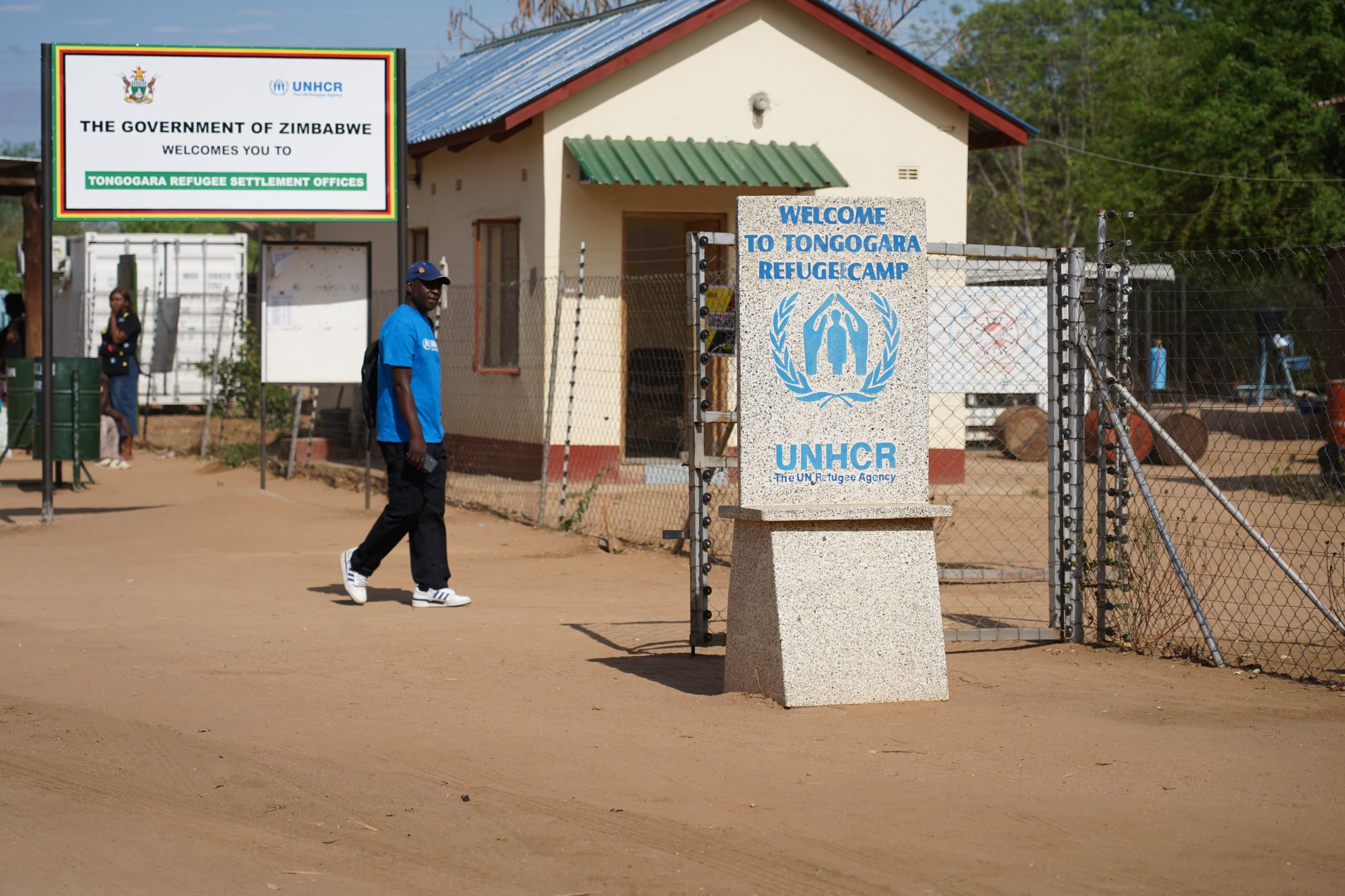






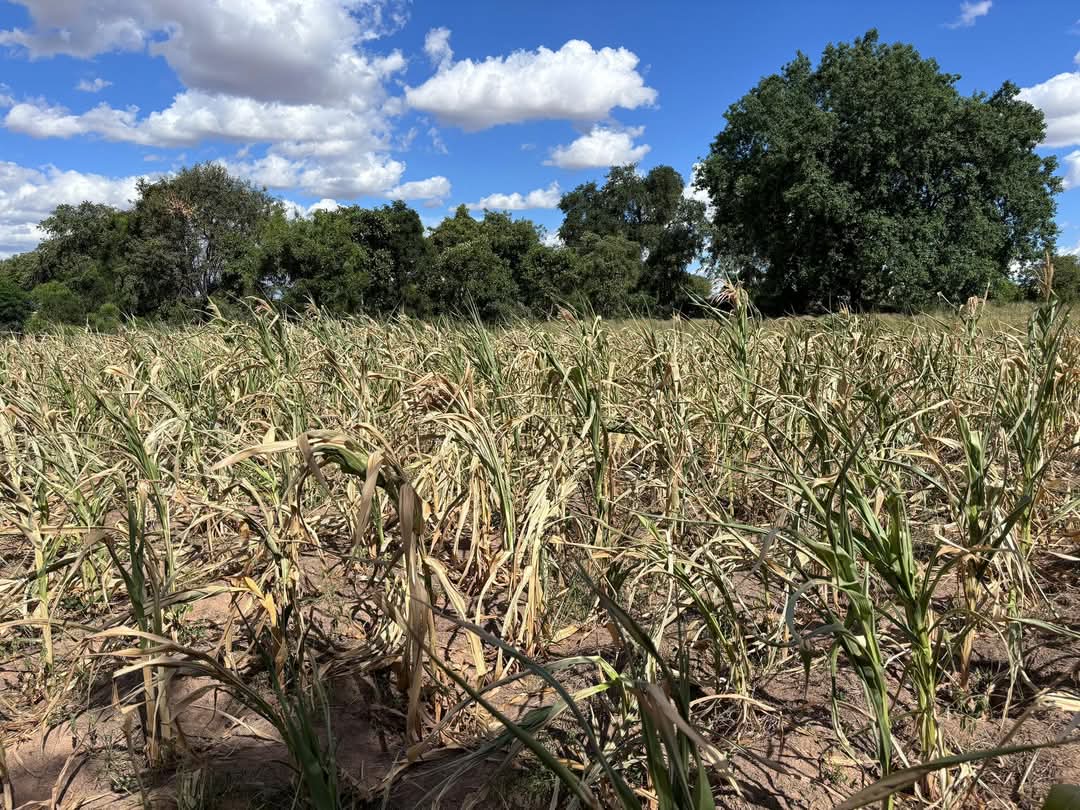
The United Kingdom has committed an additional £500,000 to support early drought action in Zimbabwe, bringing total funding for anticipatory response to £1.27 million and targeting more than 97,000 people in five high-risk districts ahead of the anticipated impacts of El Niño.
The additional funding, announced by the UK government, will support vulnerable communities in Beitbridge, Mwenezi, Gwanda, Matobo and Masvingo with improved access to water, climate-smart agricultural inputs and training, livestock support and other drought preparedness measures.
Kirsty McNeill, UK Minister for Development, said early action was essential as communities faced increasing climate risks.
“The climate crisis isn’t something that’s round the corner, it’s already here and people need our help right now.”
The lesson of recent years is simple: climate shocks do not stop at national borders, whether that means extreme weather, pressure on food supplies or rising costs for families, shocks can affect all of us, wherever we live.
“That is why acting early matters, helping people in vulnerable communities prepare before disaster strikes so we can save lives and reduce suffering.”
In Zimbabwe, the funding will be channelled through START Ready, enabling anticipatory drought interventions in the five districts considered at high risk.
The support comes as international agencies and climate scientists warn of increasing risks from extreme weather and emphasise the importance of acting before droughts cause widespread losses to crops, livestock and household livelihoods.
The UK government said anticipatory action can include measures such as providing cash to farming families, protecting livestock and strengthening access to water and agricultural support before extreme weather conditions intensify.
Lisa Doughten of the United Nations Office for the Coordination of Humanitarian Affairs said humanitarian systems needed to move from responding to disasters to preparing for them.
“In a world of increasing climate and humanitarian risks, we need to move from reacting to getting ahead of them. Anticipatory action based on credible forecasts save lives, reduces suffering and makes every humanitarian dollar go further. Partnerships and investments like this are essential to building a faster, more cost-effective humanitarian system that puts vulnerable communities at the centre.”
The UK government said around 35% of humanitarian shocks can be predicted in advance, but less than 1% of global humanitarian funding is currently allocated to anticipatory action.
In Zimbabwe, where drought can threaten water availability, livestock and agricultural production, the early-response approach is intended to enable communities to take protective measures before conditions deteriorate into a humanitarian crisis.
The UK said its broader international response will also include support for early warning systems, weather forecasting, pre-arranged financing and measures to protect food production, livelihoods and markets.
For the five targeted Zimbabwean districts, the immediate focus will be on strengthening communities’ ability to withstand drought through access to water, climate-smart agriculture, training and livestock support before the full effects of the anticipated dry conditions are felt.
The intervention forms part of up to £15 million being made available through the UK’s Humanitarian Crisis Fund to support anticipatory action in countries at risk of El Niño-related droughts, floods and food shortages before they escalate into humanitarian emergencies.