


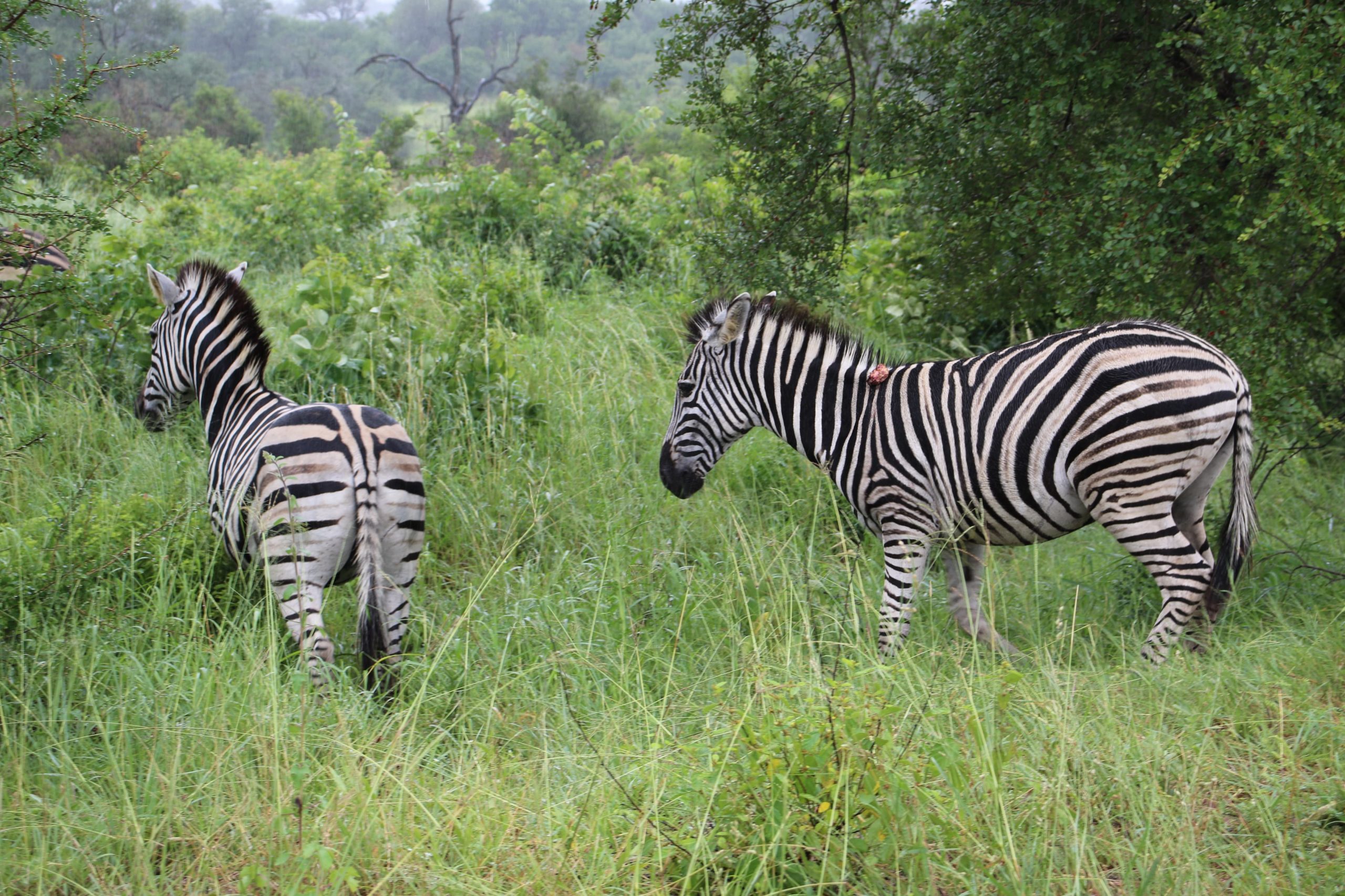
Zimbabwean wildlife authorities are strengthening surveillance of animals and their water sources as the anticipated El Niño-induced drought raises concerns about shrinking habitats and increased encounters between wildlife and communities.
The measures come amid reports of elephants, buffaloes and hippos moving into residential areas and the central business district of Victoria Falls in search of food and water, highlighting the growing pressure on wildlife as resources become scarce.
The Zimbabwe Parks and Wildlife Management Authority (ZimParks) says it is prioritising species that require large amounts of water, particularly elephants, which are frequently involved in human-wildlife conflicts.
ZimParks spokesperson Luckmore Safuli said the authority was tracking animal movements and monitoring the use of water points to assess how wildlife responds to changing conditions.
“ZimParks is monitoring water-dependent species which have high water requirements, such as elephants and buffalo, which occur in large herds. Elephants will undoubtedly be a priority species because of their high water requirements (100–300 litres per day in the peak dry season), they are mostly involved in conflict with people, and they are also a species that attracts great international public attention,” he said.
The monitoring programme includes tracking collared animals, assessing wildlife activity at waterholes and conducting annual dry-season waterhole counts in major national parks, including Hwange and Mana Pools.
According to Safuli, these assessments help authorities establish the numbers and types of animals using available water sources, providing information needed to guide conservation and conflict-prevention measures.
Beyond terrestrial wildlife, the authority is also keeping watch over aquatic ecosystems that could be affected by declining water levels.
“Species such as hippopotamus, crocodiles, and fish habitats are also closely monitored, particularly those in inland aquatic habitats, which could dry up. Although these species have the ability to migrate to areas with water, sometimes this may be difficult due to distances, and emergency management interventions such as capture will need to be activated,” said Mr Safuli.
Wetland-dependent bird species are another focus of the surveillance efforts, particularly endangered species that rely on vulnerable grassland and wetland ecosystems.
ZimParks has identified the Driefontein Grasslands, spanning Gutu, Chirumanzu and Chikomba districts, alongside areas in Hwange, Nkayi and Lupane, as important locations for monitoring these birds.
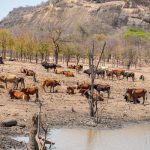
The authority is also monitoring livestock movements and enforcing restrictions against animals entering protected park estates, a measure intended to minimise competition between domestic livestock and wildlife and reduce potential conflict.
As drought conditions threaten to intensify competition for water and food, the effectiveness of these interventions will be critical in protecting wildlife while reducing risks to communities living alongside conservation areas.
For communities in wildlife-prone areas, the situation underscores the importance of early warning systems, responsible management of shared water resources and measures that help prevent dangerous encounters between people and animals.