






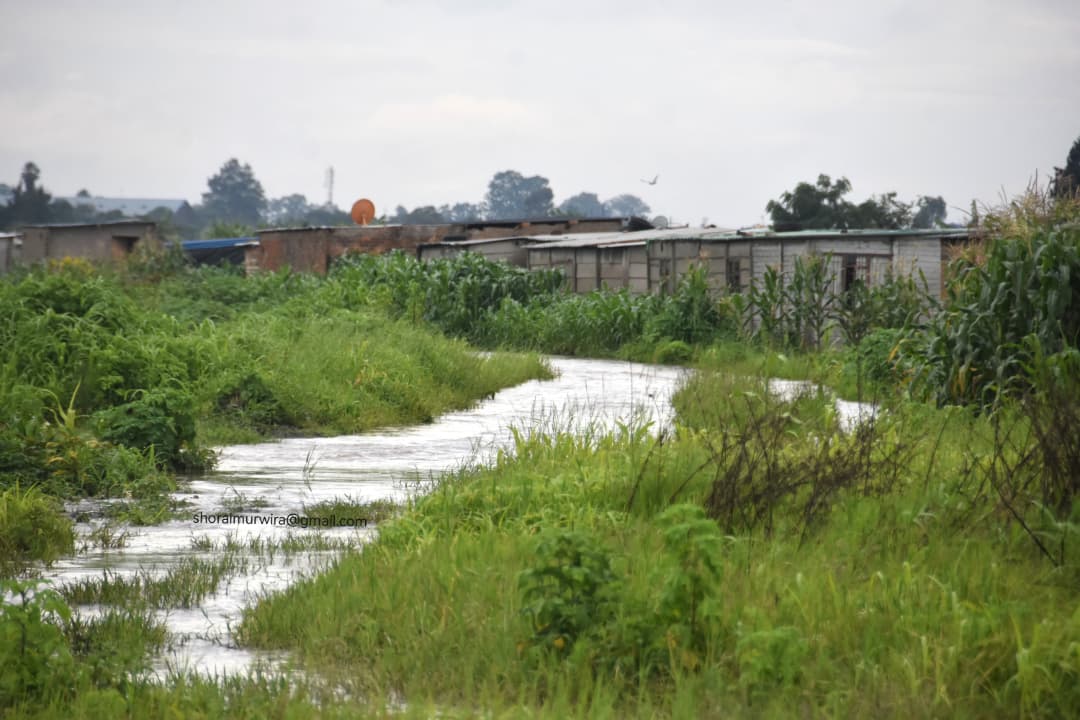
Once a natural wetland that used to absorb rainwater and protected nearby communities has now become a crowded settlement of brick houses, narrow pathways, and makeshift drainage systems.
In most parts of Harare, families have built their homes on wetlands/ water ways, unaware or left with no choice of the dangers beneath their feet.
Every season when the rains come, the ground turns soft, water rises fast, and houses begin to crack. Floors flood, pit latrines collapse, and stagnant water surrounds homes, bringing disease and despair.
For many residents, every rainy season is a reminder that their homes were built on land that was never meant to carry them.
In an interview with this publication, Harare Mayor Jacob Mafume said, “the whole of Harare is a wetland” after being asked if the city approves construction of house on such water ways.

Rainwater fills the streets and yards of wetland settlements, turning homes into islands. During heavy storms, families are forced to wade through dirty water just to reach their doors.
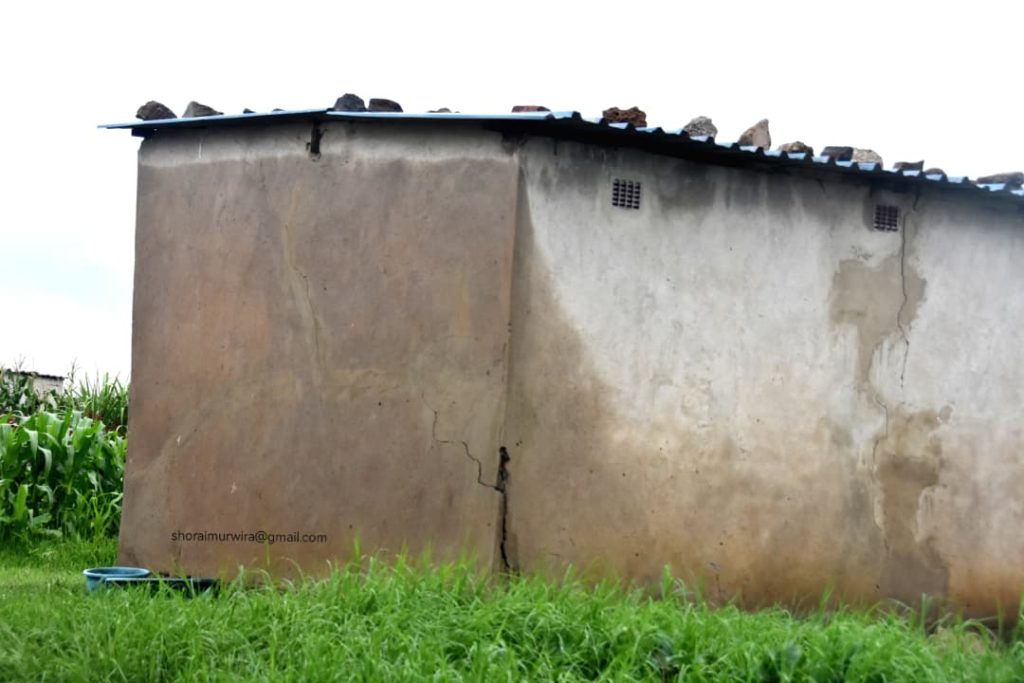
The soft, waterlogged soil causes buildings to sink and crack. Some houses develop deep structural damage within just a few years of construction.

Children walk through flood water on their way to school, exposing them to waterborne diseases such as cholera, typhoid, and skin infections.
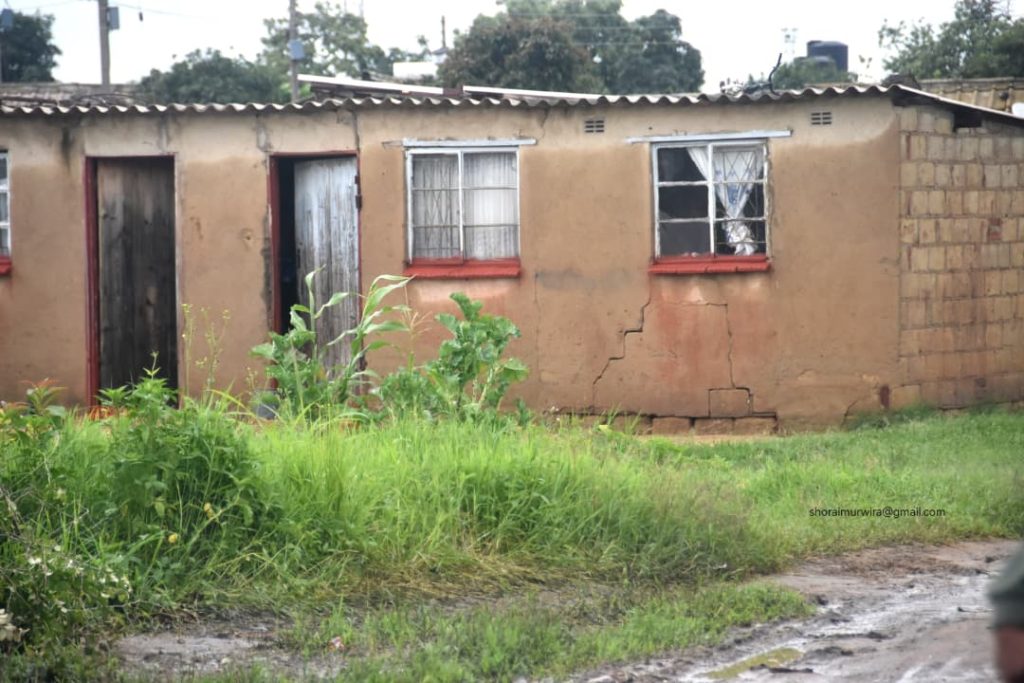
House built very close to a water way. Risk sinking in flooding water,

What was once a natural wetland has been cleared for housing. Wetlands act as natural sponges, absorbing excess water during the rainy season.
“When it rains, we don’t sleep. We just wait for the water, ” said one Resident in Budiriro. “We have nowhere else to go. This land was cheap, but now it’s costing us our lives.”
Ruben Akilli of Combined Harare Residents Association (CHRA) commented saying enough awarnesses have been done but it is desperation of a place to stay that make residents to end up in wetlands. However, he did not dismiss that some residents are duped and allocated without knowledge of the place being a wetland.
“Regarding informing residents about the risks of building on wetlands to some extent, residents do know it’s dangerous. Awareness campaigns have been conducted, but desperation plays a role. Some people are allocated land without knowing it’s a wetland.
” Others purchase stands and only realize it’s on a wetland or rocky terrain during site visits.There’s a policy weakness in the Regional Town Planning Act, the provision for regularization has been widely manipulated. People build illegally, pay a fine, and get regularized. This is based on Section 27 of the Act. The Zimbabwean Constitution also protects against arbitrary eviction, which some exploit to delay enforcement,” he said adding that legal cases drag on, and structures are completed by the time rulings are made.
He also acknowledges gaps in urban planning and housing divisions
“There are also serious gaps in urban planning and housing divisions. For instance, in Harare, the environmental division is not involved in deciding where to build, and there is no environment policy to guide planning. Councillors also lack proper oversight decisions are made in meetings without site visits, ” said Akilli.

Harare has no solution, thr city fathers are complicit in everything we see
Harare has no solution, the city fathers are complicit in everything we see