




As I drove into Mashava, about 45 kilometers from Masvingo town, the landscape changed. The closer I got to King Mine, once known for its bustling asbestos industry, the quieter and dustier the air became.
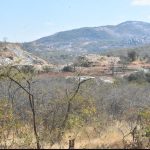
The mine sits deep in the forest, but instead of lush green, a grey powder blankets everything.
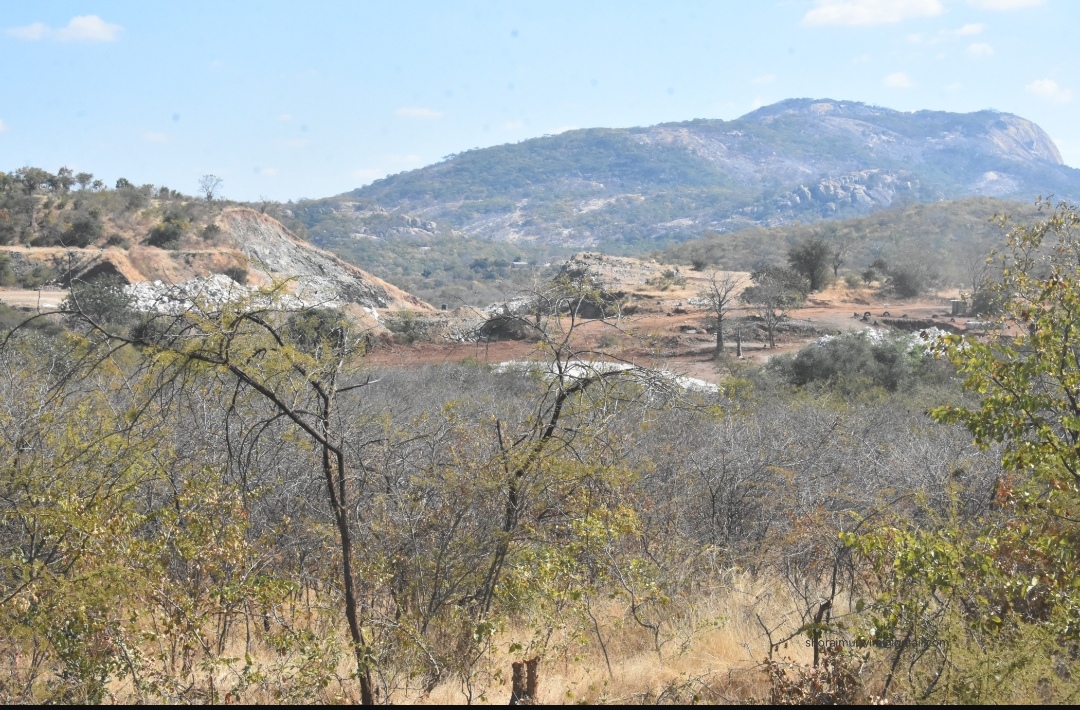
Open pits scar the land where families once lived, some homes already abandoned, others clinging on at the edge of collapse.
The silence is broken only by the sound of wheelbarrows screeching over stone and women’s voices rising in conversation as they dig through the dust.
From morning until late afternoon, women with their small children clinging onto them scavenge for chrome, paid just USD1.50 per wheelbarrow, which takes hours to fill up.
Their faces are lined with exhaustion, lips chapped from heat, hands caked in dust. Children run barefoot through the powdered earth, their laughter piercing the heavy silence of despair.
This is life in Mashava, at King Mine where survival is measured not in opportunities, but in the weight of chrome pulled from the earth.

A woman bends low over the chrome dust, her hands sifting through debris under the scorching sun.

Men digging for chrome under the scotching sun.

Families have vacated the upper area of these flats. They said if the stones are being blasted they hit windows and doors.

A child play barefoot in powdered dust, his small body engulfed in the same air their mothers labor in.

Houses trapped between pits, some people have long moved from their homes for their safety. They say blasts shake their homes and sometimes hit doors and windows.

Children carrying buckets of water to carry water at the open pits.


A woman, her lips cracked from heat and thirst, wipes sweat from her brow after hours of digging.

Families work side by side, with toddlers clinging to mothers as they scavenge for survival.

Houses under siege, rapped among pits. Chrome is anywhere, they dig.


Open pits sprawl across Mashava, tearing into once-inhabited lands and forcing families to abandon their homes.
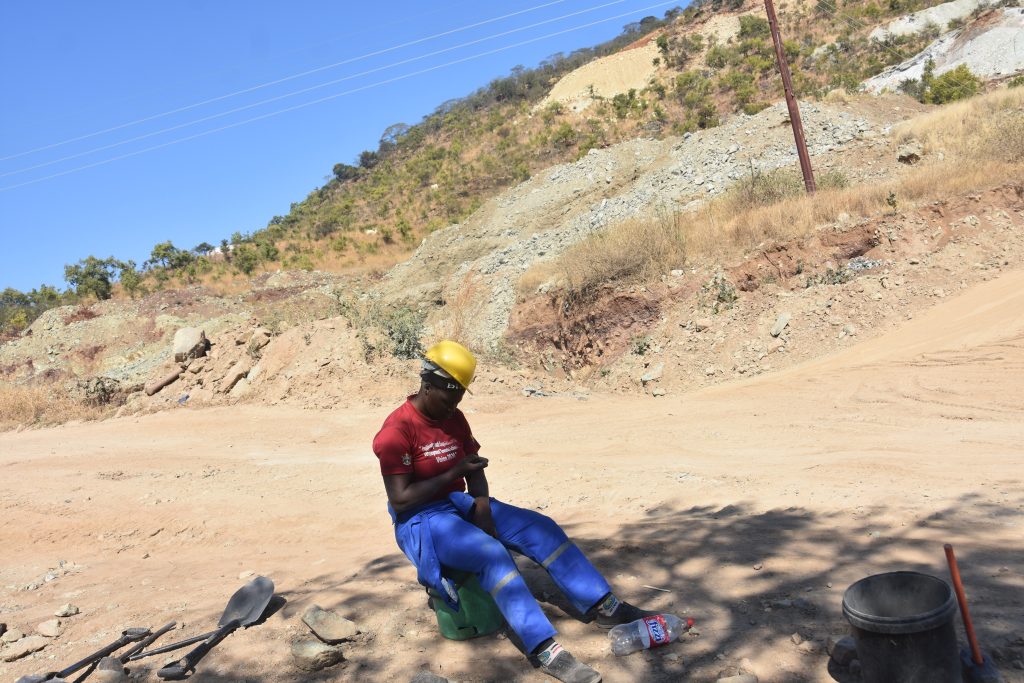
Exhausted worker huddle in the shade, resting briefly before returning to the pit.

Chrome piled, glisten under the sun—each wheelbarrow load filled worth only USD1.50, then sold by the owe at a different price. What costs SD1.50 is the manual labor of picking up chrome to fill a wheelbarrow.

This man is also on the piece contract to pick up chrome, fill a wheelbarrow and get paid by the owner of the shaft.
Mashava is an area where the Mashava asbestos operations were part of Shabanie & Mashava Mines (SMM) Holdings.
Production stalled in the 2000s and the assets have been under various reconstruction/administration efforts since.
Mashava’s field was worked through Gaths Mine (the overall complex) which combined King Mine, Gaths (proper) and the now-defunct Temeraire Mine.
Now, the mines have been abandoned and individuals are now claiming spaces where they are employing local people who are desperate for survival to scavenge chrome.
People who spoke on conditions of anonymity in fear of losing jobs or victimization said that they work every day where their names are logged in a book to count the wheelbarrows they had filled. They will only get paid when the employer’s chrome is bought.

Great human interest story,brilliant images
Very informative but depressing story here, well articulated, l felt l was there as l read this story. Poverty, poverty, poverty, a disease indeed.
Thank you.
Juwela
It’s a touching story