




As global demand for critical minerals accelerates to support the clean energy transition, feminist activists across Africa are warning that the benefits of the boom risk bypassing women, particularly those in mining-affected communities.
Speaking ahead of the upcoming Women Deliver 2026 conference, eco-feminist scholar Dr. Mela Chiponda said the current model of mineral extraction continues to marginalise women despite their central role in local economies and natural resource management.
“The transition to clean energy cannot be built on the same extractive logic that has historically marginalised women,” Chiponda said, calling for a shift in how power, ownership and participation are structured in the sector.
Her remarks come as countries across the Southern African Development Community (SADC) and the Great Lakes region expand mining activities to meet rising global demand for minerals used in electric vehicles, solar panels and battery storage technologies.
However, women in mineral-rich areas continue to face displacement, environmental degradation and loss of livelihoods, according to feminist groups.
Advocates say women are frequently excluded from key decision-making processes, including compensation negotiations and ownership arrangements linked to mining projects.
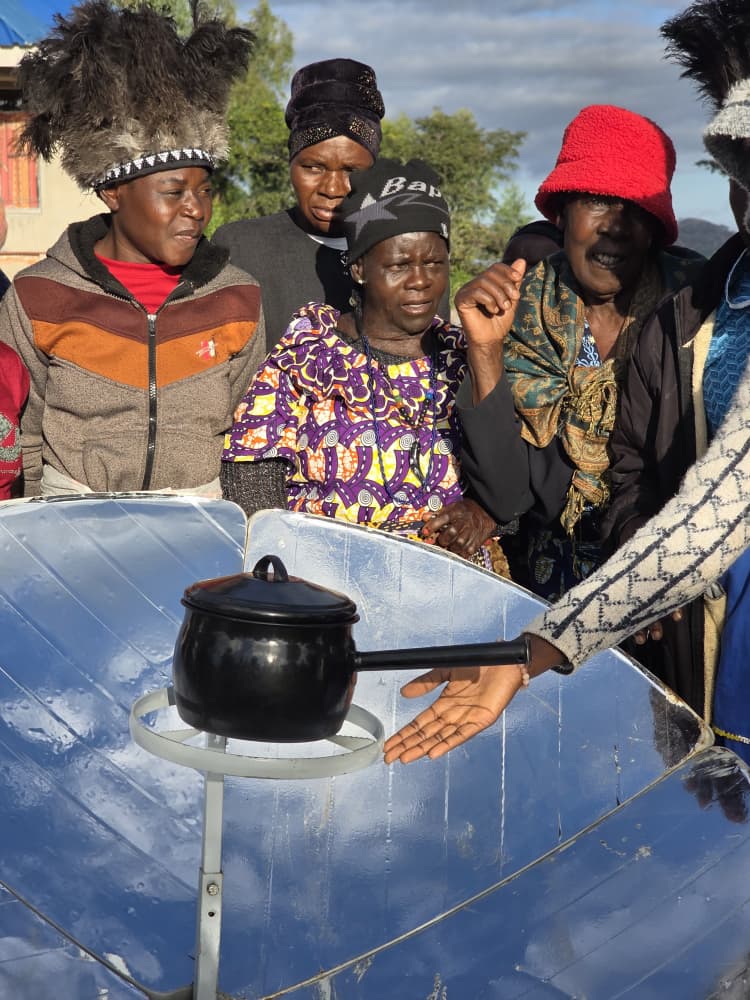
Dr. Chiponda pointed to a renewable energy initiative in Bikita, southeastern Zimbabwe, as an example of how women are already driving solutions at the grassroots level, particularly in adopting clean energy technologies.
She said such contributions remain under-recognised and under-resourced.
Civil society organisations are now pushing for reforms that prioritise gender equity across mineral value chains. Their demands include stronger land rights protections, gender-responsive budgeting, and increased investment in women-led enterprises.
Activists also argue that current extraction models mirror colonial-era systems, where raw materials are exported to global markets while local communities bear the environmental and social costs.
Evidence from the Democratic Republic of the Congo, one of the world’s largest producers of cobalt, highlights links between mining and pollution, displacement, child labour and gender-based violence.
As global powers intensify competition for Africa’s mineral resources, campaigners warn that the push for a “green” future must not come at the expense of social justice.
“A truly just transition is one where African women are not an afterthought,” Chiponda said. “They must be at the centre shaping the future, not surviving its consequences.”