






Bulldozers claw into the earth as concrete rise in once lush wetlands and mountains, where reeds and birds once thrived, but as the concrete hardens over the last patches of green, one must ask, is Africa building a future, or burying it?

Luxury housing estates are taking shape, but so too is a crisis. The wetlands, long known to be a vital water recharge zone and biodiversity haven, are now being sacrificed in the name of progress.
Zimbabwe’s urban and industrial development trajectory, hailed by some as a sign of economic recovery, is leaving a trail of ecological and cultural devastation in its wake.
Several environment advocates have been raising questions on how the country is being reshaped by an extractive vision of development, one that prizes cement over soil, speed over sustainability, and profit over people. From wetlands being paved for housing to sacred mountains blasted for mining.
A certified GRI professional and Economic Resource Governance officer at Zimbabwe Environmental Law Organization (ZELO) Tafara Chiremba emphasized the need for sustainable development as to safeguard the country’s resources for future generations.
“Sustainable development is about more than just complying with environmental regulations, it’s about involving communities, integrating social responsibility, and ensuring that today’s initiatives safeguard resources for future generations,” said Chiremba.
Green Governance trust Zimbabwe director Frank Mpahlo said mining in Zimbabwe has significantly contributed to economic development, but it has also caused serious environmental damage.
“Land degradation, deforestation, and water pollution, especially from gold, diamond and recently lithium mining, are destroying vital natural resources. Without stronger regulation and sustainable practices, we risk leaving future generations with depleted lands, polluted water, and no access to key minerals,” he said.
Mpahlo also said that it is the uncontrolled and reckless exploitation of key minerals regardless of the principle to preserve wealth for future generations which is worrying and that there is a trail of environmental degradation across Zimbabwe’s mining areas devoid of any environmental rehabilitation plan, which will also become problematic for future generations.
The Environmental Management Agency (EMA) recently reported that it had received 152 applications by July, for 2025 alone, for development projects on wetlands including Environmental Impact Assessments (EIS) and request for land use.
Moreso, reports say that nearly 3,700 hectares of Harare’s wetlands have already been lost to housing projects. These sensitive ecosystems, which naturally filter water and reduce flooding, are being replaced by concrete homes in suburbs such as Budiriro, Glen View, Monavale, and Borrowdale.
Donald Nyarota, communications and advocacy officer at Centre for Natural Resource Governance (CNRG) said mining in Zimbabwe is having devastating impacts on the country’s natural capital that is land, water, forest, biodiversity and even on human health, so rather than serving as a tool for development it is increasingly becoming a resource plunder and natural capital depletion characterized by wide spread of environmental degradation.
“This has led to irreversible loss of ecosystems, communal lands have been invaded and sacrificed for short term profits with no real fact costs analysis. We are trapped in a resource cursed where the abundant minerals are feeding into corruption, conflict and illit accumulation leaving the broader population in poverty,” he said

Wetlands act as natural water reservoirs, essential in a city already battling water shortages. By building over them, Harare is effectively cutting off its own water supply. In Budiriro, residents endure dry taps for weeks. Ironically, many homes built on former wetlands are the first to flood when the rains return.
Despite environmental regulations requiring proper Environmental Impact Assessments (EIAs), numerous projects proceed without meaningful consultation. In Borrowdale, a developer claimed that only five hectares of the project were on wetland. Environmental watchdogs countered that over 14 hectares were affected. The fines, if any, are negligible, while the long-term costs are borne by residents and nature.

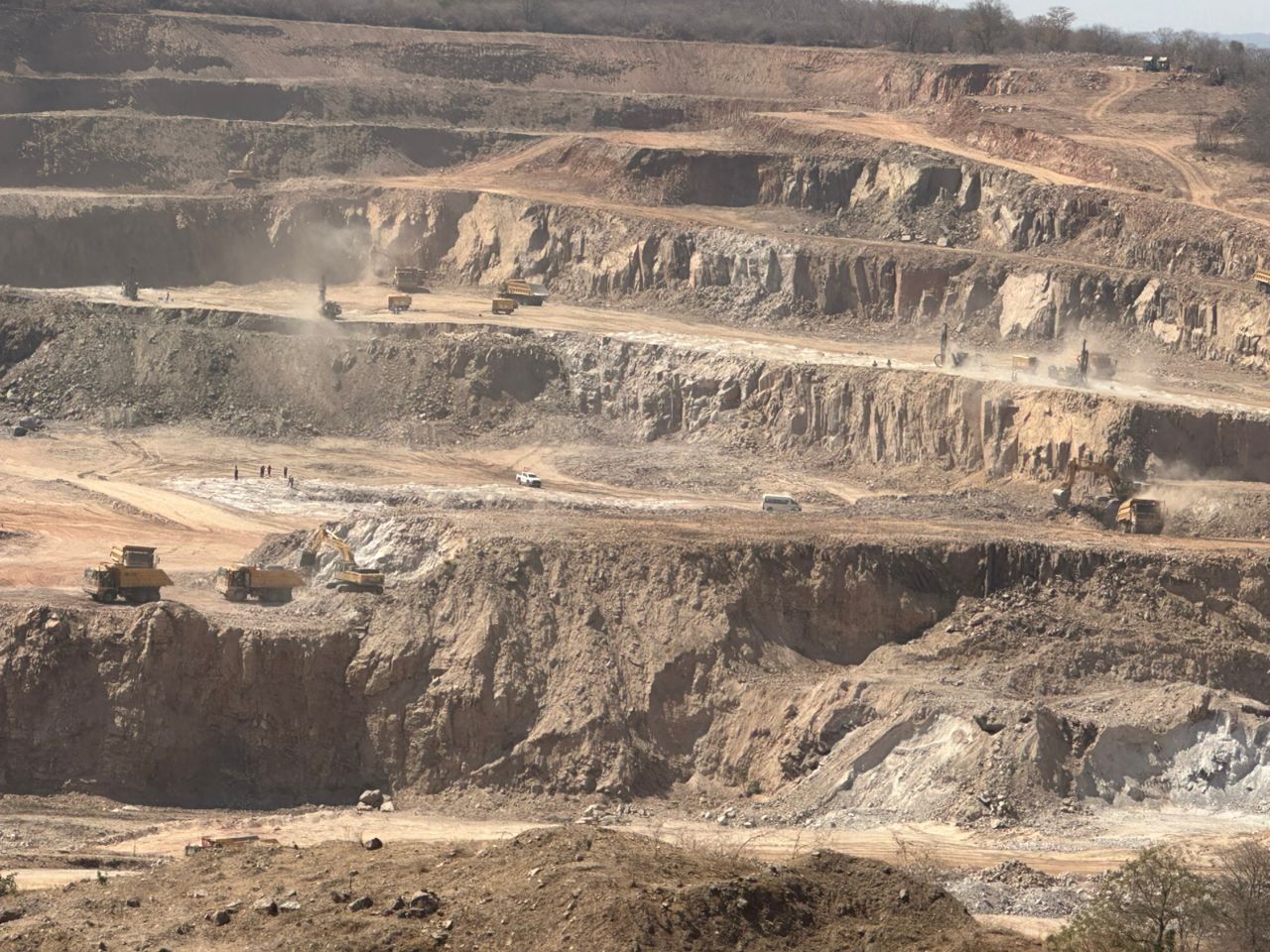
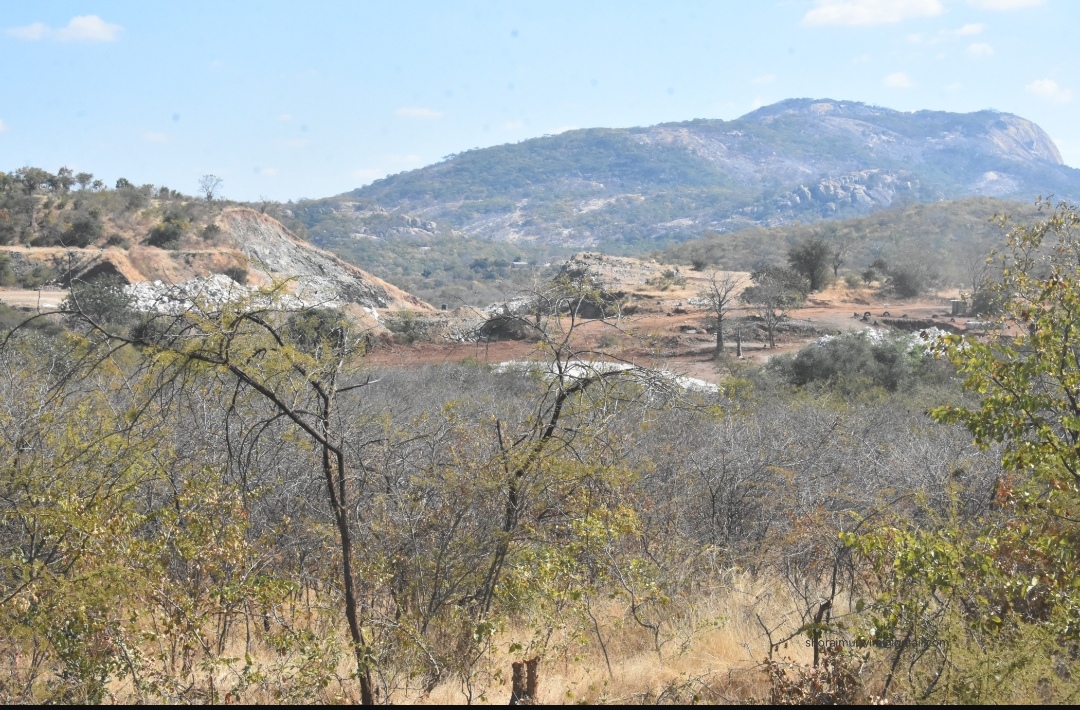
While wetlands in cities vanish beneath bricks and mortar, Zimbabwe’s mountains and rural landscapes are suffering a different but equally devastating fate. In Mutoko and Uzumba, entire hillsides have been stripped bare by granite quarrying.
In Dinde and Hwange, coal mining threatens both the environment and the lives of indigenous communities. In Mutasa district, Manicaland, a Chinese-run gold mine has leveled parts of Chigodora mountain, prompting outcries from villagers. The blasts not only damage homes but pollute rivers with cyanide and destroy habitats for rare plants and animals.
“We were never consulted,” says Mai Chikukwa, a Hwange villager whose family has lived near the mountain for generations. “Now our children cough all the time, and our fields are covered in dust.”

The Environmental Management Agency has shut down the Mutasa mine twice due to violations, but operations resumed after political pressure. Local leaders say their voices are often ignored in favor of foreign investment.
In Hwange, Norton and Ruwa, new industrial zones are springing up with little thought to their environmental impact. Forests are razed, rivers diverted, and air thick with smoke. Residents living near these zones report increased respiratory issues and the disappearance of wildlife.
“There is this assumption that any development is good development,” says environmental advocate, Fidelis Chima. “But if you destroy the ecosystem that supports life, what kind of development is that?”
Chima said in Hwange, often, mining companies are operating proper waste management systems. They are finding their way into rivers, poisoning fish and rendering water unsafe for both humans and livestock.
He also added that in this kind of development, what is often overlooked is the cultural cost of this aggressive model of development, because many forests, hills, and rivers have deep spiritual significance. They are the sites of ancestral worship, rainmaking rituals, and traditional medicine gathering.
In Mutoko, villagers protested when a granite company began blasting a hill considered sacred. “You don’t just destroy a place where our ancestors live,” said Chief Nyamukoho. “It is not only disrespectful, it breaks the link between generations.”
Zimbabwe’s traditional leaders and elders claim that they are rarely consulted in environmental decisions, yet they hold valuable knowledge on land stewardship and sustainability. Their exclusion reflects a broader disregard for indigenous systems of conservation.
Today, policies still prioritize GDP growth and foreign investment over ecological well-being.
Yet amid the destruction, there is resistance. Community groups such as the Harare Wetlands Trust, ZELO, and local residents’ associations are pushing back. In Hwange, a community-led wetland restoration project has revived bird species and improved water absorption.
Court orders have halted illegal developments in some areas, though enforcement remains uneven. Social media campaigns are raising awareness, especially among young people, about the dangers of unchecked development.
Traditional leaders are also beginning to assert their authority. In Chipinge, local chiefs stopped a logging company from clearing sacred forest land, citing spiritual and environmental concerns.
Mpahlo said to ensure sustainable development, “we must balance economic growth, environmental protection, and social equity. In the context of mining, deliberate steps should then be taken towards investing in renewable energy, protecting ecosystems, promoting responsible consumption, and ensuring equal access to resources. It’s a shared responsibility between governments, businesses, and individuals. Sustainable development then means propagating and replicating alternative livelihoods options while prioritizing the marginalized mining communities.”
Yet another thing to mention is that an online business administration training is designed for scholars to be able to without problems proceed to bachelors degree education. The Ninety credit certification meets the other bachelor education requirements then when you earn the associate of arts in BA online, you will have access to the most recent technologies on this field. Several reasons why students need to get their associate degree in business is because they are interested in the field and want to obtain the general education necessary ahead of jumping right bachelor diploma program. Many thanks for the tips you really provide in your blog.