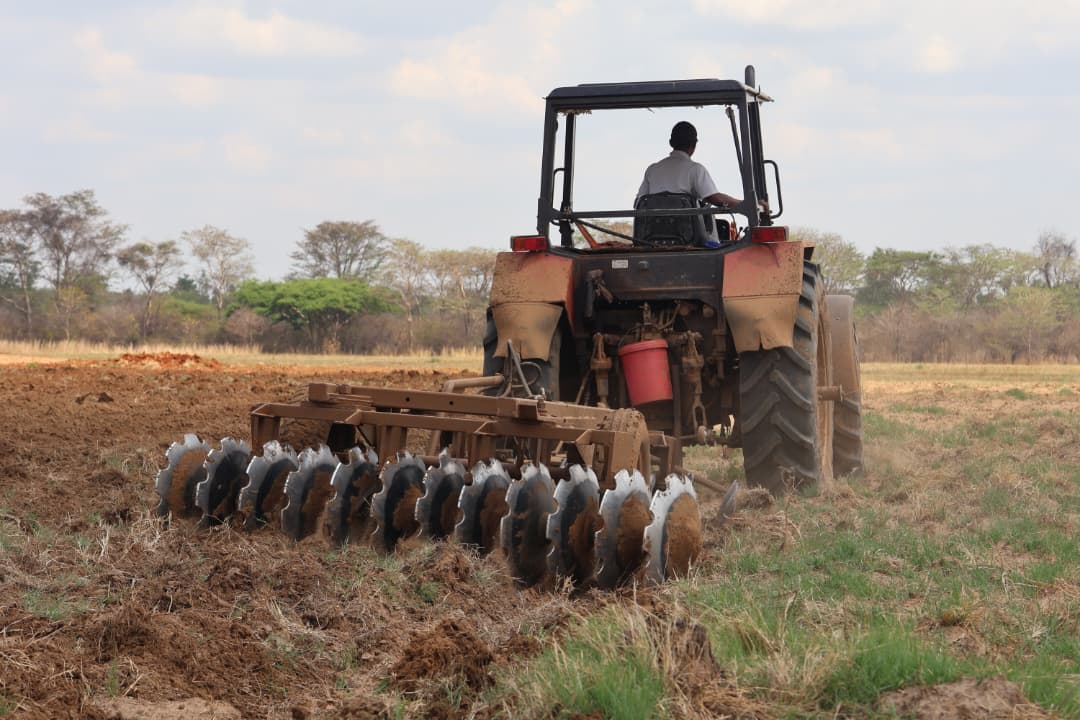





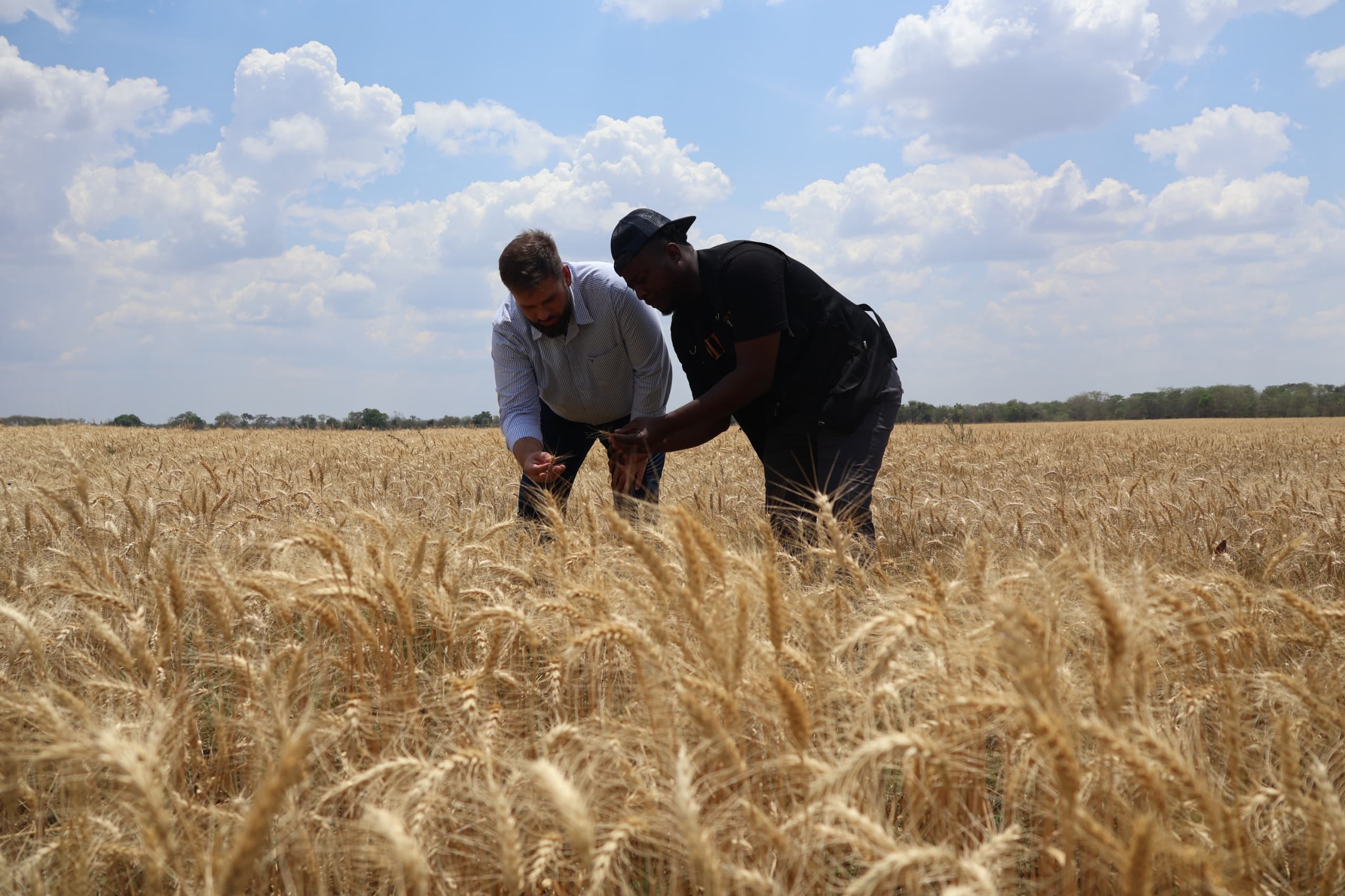
Zimbabwe is targeting at least 600 000 tonnes of wheat from the 2026 winter cropping season as harvesting operations approach completion, with farmers having already harvested nearly 570 000 tonnes, the Ministry of Agriculture, Mechanisation and Water Resources Development has said.
Permanent Secretary in the ministry, Professor Obert Jiri, said on November 1 that farmers had harvested approximately 108 000 hectares out of the 130 316 hectares planted, with the crop expected to push national production to at least 600 000 tonnes once harvesting is completed.
“We hope that by the end of this coming week, we will be finished. We hope to reach at least 600 000 metric tonnes when we do the harvesting,” Jiri said in an interview during the World Food Day celebrations at Chitora irrigation scheme in Mutoko.
The November 1 update followed an earlier report by the ministry indicating that 571 029 tonnes had been harvested from 108 969 hectares by October 30, leaving slightly more than 21 000 hectares still to be harvested.
The remaining crop was largely concentrated in Mashonaland West and Mashonaland East, with farmers under pressure to complete harvesting before the onset of rains and minimise potential post-harvest losses.
Zimbabwe’s expanding wheat production has enabled the country to meet its overall domestic wheat requirements, but the milling industry continues to rely on imports of specialised hard wheat used for blending and gristing.
Jiri said national wheat requirements had increased from less than 360 000 tonnes three years ago to more than 552 000 tonnes, driven by growth in the milling industry, population and changing consumption patterns.
Although local production has surpassed overall national demand, the country still imports hard wheat because of its particular protein and gluten characteristics required by millers and bakers.
Zimbabwe spent US$124.5 million importing premium hard wheat in 2023, with the import bill rising to nearly US$135 million in 2024, according to figures previously reported by The Herald.
ARDA Seeds has developed Ncema, a locally bred hard-wheat variety with protein content ranging from 13 to 17 percent and wet gluten content of about 37.6 percent.
The variety is being grown by contracted farmers for seed production, with ARDA Seeds general manager for operations Innocent Musiiwa saying it had been tested by laboratories and the processing industry.
The development signals efforts to address not only the volume of wheat produced locally but also the quality requirements of the country’s milling and baking industries.