



Staff Reporter
GOVERNMENT has cut import levies on key grains and oilseed products, with maize, soybeans and soybean meal among commodities affected by the new charges taking effect today.
The reductions follow a review of grain import levies under Statutory Instrument 87 of 2025, as authorities seek to align import costs with domestic supply while protecting local agricultural production.
The new charges were communicated in a September 8 memorandum signed by AMA chief executive officer Alice Mapfiza.
Mapfiza said the memorandum was intended to “formally notify the new levy charges for grains, oilseeds, and their products”.
The review comes after Agriculture, Mechanisation and Water Resources Development Permanent Secretary Professor Obert Jiri said Government was finalising adjustments to SI 87 as the country moved further away from the 2025/2026 harvest.
“The time for review of the SI 87 grain levy which is ring-fenced for irrigation rehabilitation, is now,” Prof Jiri said on Monday.“So we are now busy and, of course, finalizing the review, which we know that will happen in the next few days.”Prof Jiri said, adding that the levy was not intended to permanently restrict imports, but to allow Government to respond to changes in domestic grain availability.
“The SI 87 of 2025 permanently opens the borders.“We then manage with these import levies to ensure that where we have enough grain, we then put the levy up. When the grain becomes less, we then review the grain,” he said.
He said Zimbabwe was not facing a grain shortage, noting that the 2025/2026 summer season had produced adequate grain and that almost 450 000 metric tonnes had been traded through the formal market since the beginning of the season.
However, he said the amount of commercially available grain normally falls as the country moves away from harvest.“But we know that, of course, as we harvest and as we move away from the harvest, we ordinarily have less quantities of tradeable grain for commercial purposes, which is what ordinarily happens,” he said.
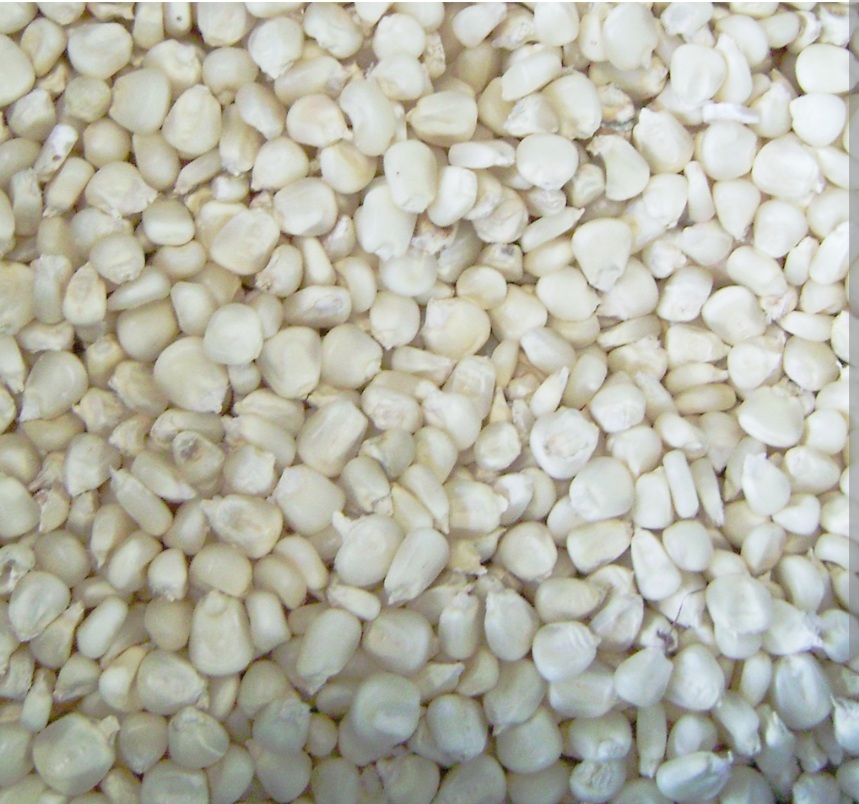
Maize imports that comply with the Government’s 40:60 grain marketing framework will now attract a levy of US$15 per metric tonne, while non-compliant imports will be charged US$25 per tonne.
The new rates are substantially lower than the US$40 per tonne maize levy announced earlier this year.
Soybean imports will also attract US$10 per tonne, down from US$20, while soybean meal will be charged US$20 per tonne compared to the previous US$35.
The new maize and soybean-related rates will remain in force until March 31, 2027.
The Agricultural Marketing Authority (AMA) also set a US$10 per tonne levy on maize bran until December 31, 2026, with the rate scheduled for review in January next year.
Crude edible oil, cotton cake and sunflower cake will each attract US$20 per tonne.
Wheat imports will continue to be subject to a supply-based levy, with charges determined by domestic availability against national requirements.
Soft wheat will attract US$89.25 per tonne when local supply is above the national requirement, but only US$10 per tonne when supply falls below the requirement.
Hard wheat imports equivalent to up to 30 percent of the national requirement will be exempt from the levy, while quantities above the 30 percent threshold will attract US$89.25 per tonne.
Prof Jiri said Zimbabwe was not facing a grain shortage, noting that the 2025/2026 summer season had produced adequate grain and that almost 450 000 metric tonnes had been traded through the formal market since the beginning of the season.
However, he said the amount of commercially available grain normally falls as the country moves away from harvest.
“But we know that, of course, as we harvest and as we move away from the harvest, we ordinarily have less quantities of tradeable grain for commercial purposes, which is what ordinarily happens,” he said.
The Government maintains that keeping borders open while adjusting levies allows consumers to access imports without undermining local farmers.
“So really, the borders are open. We must protect our farmers, and we must emphasize on local production. And that is why SI 87 is critical for our grain trade,” Prof Jiri said.
Revenue collected through the levy is ring-fenced for irrigation rehabilitation, tying the import policy to efforts to expand and strengthen domestic agricultural production.