






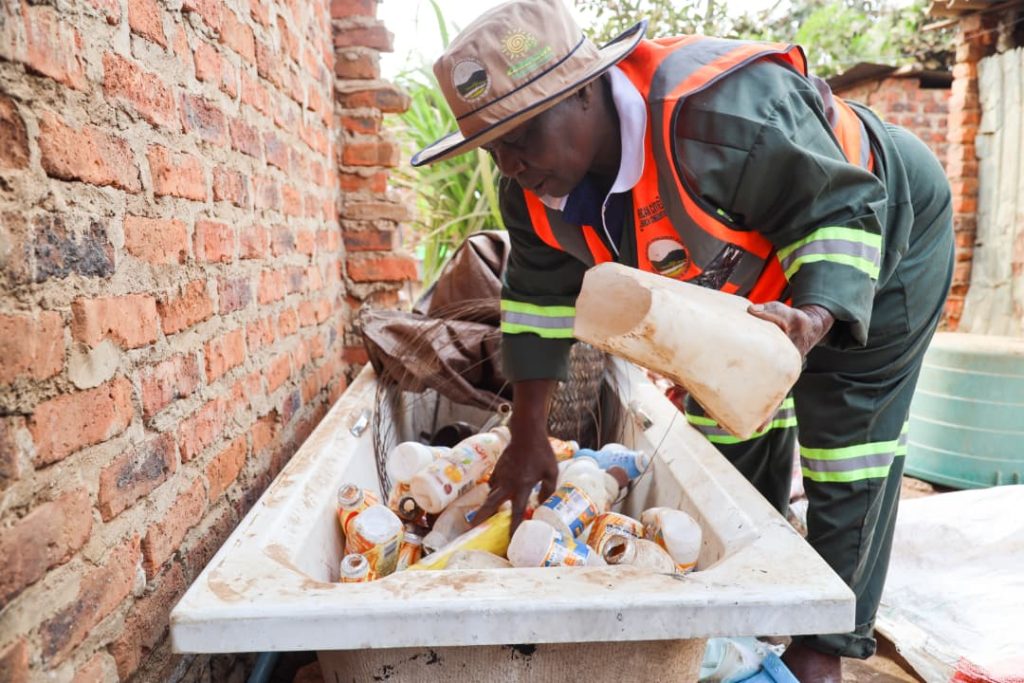
Every morning, long before many residents of Dzivarasekwa begin their day, an 80-year-old woman shoulders a sack and quietly walks the streets searching through piles of discarded plastic.
To some, Eneresi Garavhata, well known in Dzivarasekwa as gogo manyoni is just another waste picker.
To others, she is a grandmother and a heroine.
But behind every plastic bottle she collects is a story of heartbreak, survival and extraordinary courage.
More than six decades ago, her world collapsed.
Her husband abandoned her because she had given birth to five sons instead of daughters. Soon afterwards, the family home was sold, leaving her and her young children with nowhere to sleep.
“I had nowhere to go, I moved to settle by the Mukuvisi river side leaving my children there everyday to go and pick waste then come back to wash it and then sell.” she recalls.
She also shared how she moved to Epworth after hearing that there are people settling there informally there, then moved to… then came to settle in Dzivarasekwa extention in 1973 when the area was still a forest.
Having eloped from Malawi with her husband as a teenager, she had no relatives in Zimbabwe to turn to. Alone with five hungry children, she found refuge on the banks of the Mukuvisi River, where she pieced together scraps of plastic into a shelter that barely kept out the rain.
It was there, surrounded by hardship and uncertainty, that she discovered the work that would sustain her family for generations.
“I used to pick food from bins, because back then the economy was still better. So I would get even meat from the bins and took it to my plastic home where I had left my children, wash it and give them to eat.”
She began collecting discarded plastic and other recyclable materials from Harare’s streets, selling them to earn enough to buy food. Every day was a struggle. Every kilogram of plastic meant another meal for her children.
For decades, she lived on the margins of society. Waste pickers are often overlooked, yet their work quietly keeps tonnes of recyclable materials out of landfills while helping keep cities cleaner. Despite their environmental contribution, many continue to face poverty, unsafe working conditions and social stigma.
Her fortunes changed when she joined the Zimbabwe Homeless People’s Federation (ZIHOPFE) through Dialogue on Shelter .
For the first time in years, she found more than an organisation—she found a family.
She joined a savings group and began putting aside just one US dollar every day. It seemed like a small amount, but day by day, month by month and year by year, those savings became the foundation of a new life.
With support from fellow federation members, she eventually bought a residential stand.
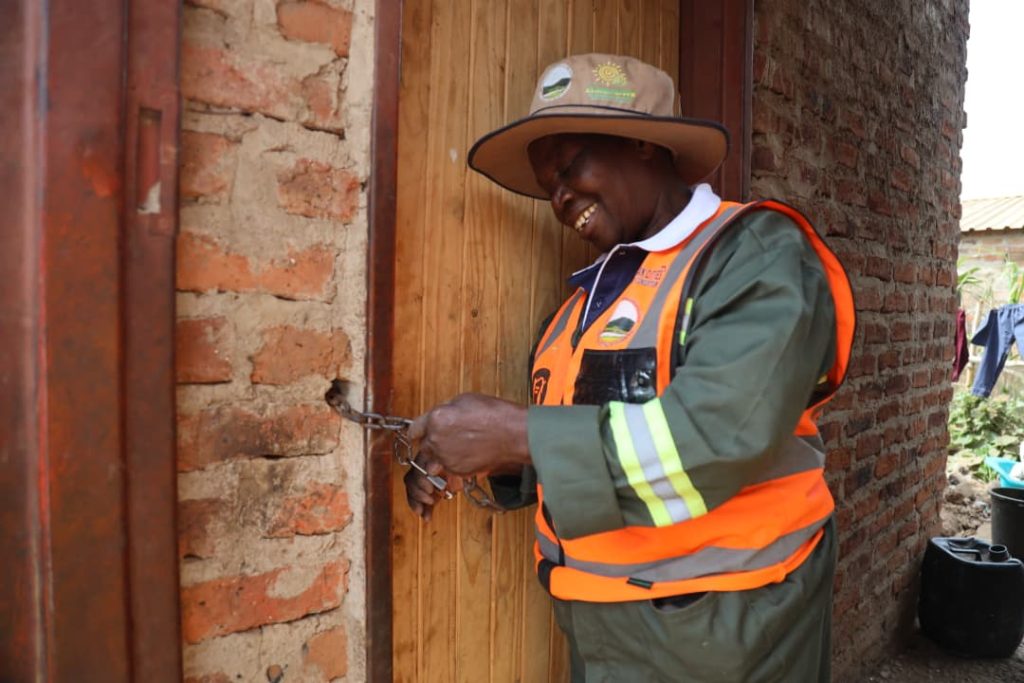
Today, the woman who once slept beneath sheets of plastic beside a river proudly owns a modest two-room house.
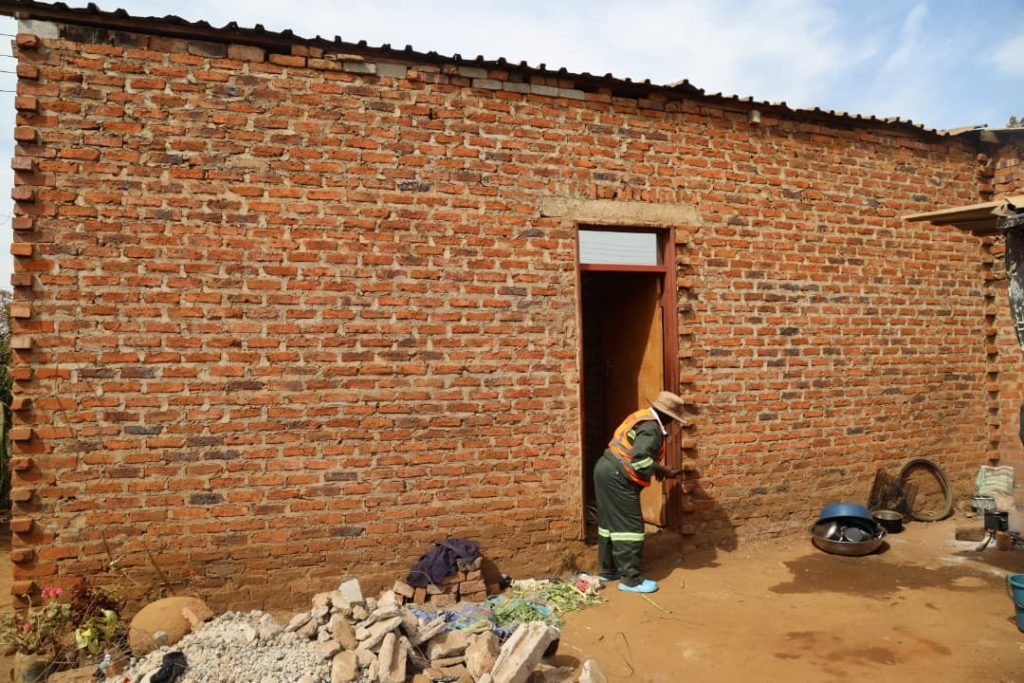
“It may not be a mansion,” she says with a smile, “but it is mine.”
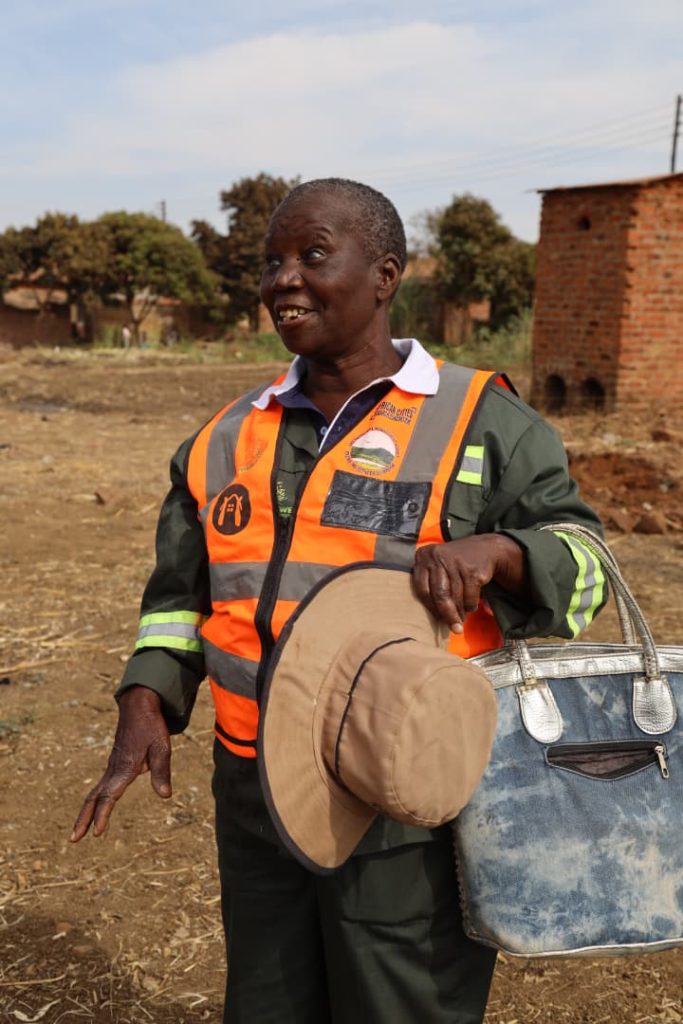
Even at 80, retirement is not an option. She still walks the streets collecting plastic, not because she has no home, but because the work has given her dignity, independence and the means to continue supporting herself.
Her story reflects the quiet resilience of thousands of informal waste pickers whose labour not only sustains their families but also contributes to environmental protection through recycling and waste recovery.
As Zimbabwe faces growing urbanisation, unemployment and mounting waste management challenges, advocates say recognising waste pickers as essential environmental workers—and strengthening community-led savings initiatives—can improve livelihoods while building more inclusive and sustainable cities.
For one elderly woman from Dzivarasekwa, discarded plastic became far more than waste.
It became the bridge between homelessness and hope.