




The Food and Agriculture Organization of the United Nations (FAO) and the World Food Programme (WFP) have launched a US$202 million joint appeal to protect nearly 8.8 million people across 22 high-risk countries from the anticipated impacts of a strengthening El Niño weather pattern.
The first Joint Anticipatory Action Appeal by the two UN agencies, seeks urgent funding to enable governments and humanitarian partners to act before climate shocks escalate into full-blown crises.
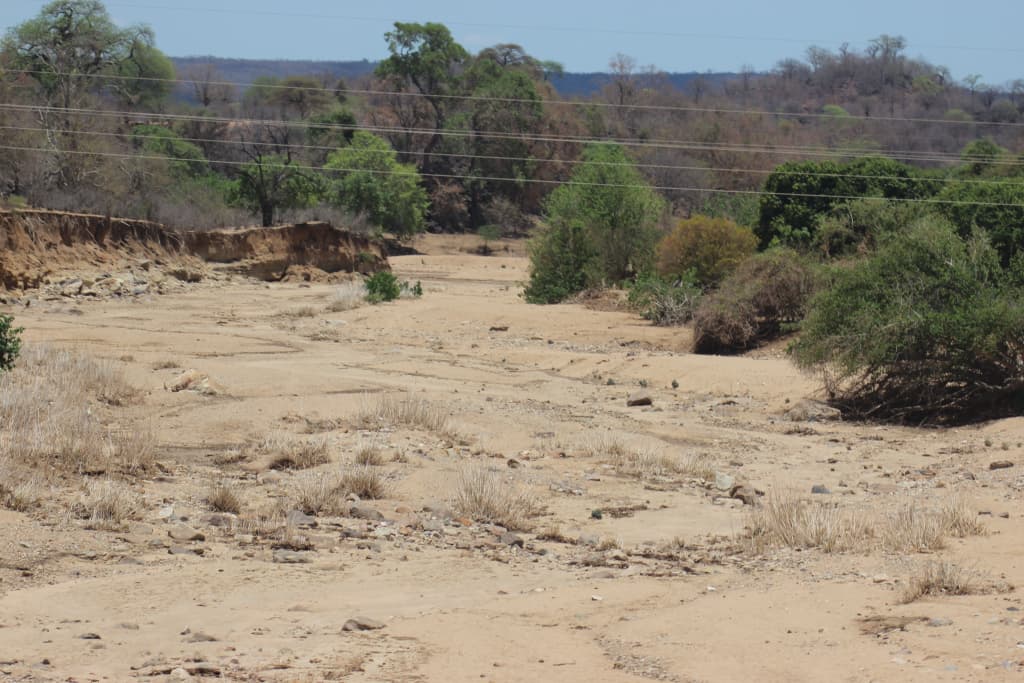
El Niño is expected to bring below-average rainfall in some regions while increasing the risk of heavy rains and flooding in others. The climate phenomenon can disrupt agricultural seasons, damage crops, reduce pasture availability, and threaten water supplies worsening food insecurity in vulnerable communities.
FAO Deputy Director-General Beth Bechdol said early action remains critical in reducing the impacts of climate-related disasters.
“Experience consistently shows that early action is more effective and less costly than responding after a crisis has escalated,” she said, adding that timely financing allows communities to protect food production and livelihoods before critical agricultural periods are lost.
WFP Acting Executive Director Carl Skau said there is a limited window to prevent another food crisis.
“With El Niño on the horizon, we have a narrow window to act so families are not forced into impossible choices later,” he said.
The agencies highlighted that anticipatory action has proven cost-effective, with every dollar invested potentially saving up to US$7 in losses and response costs.
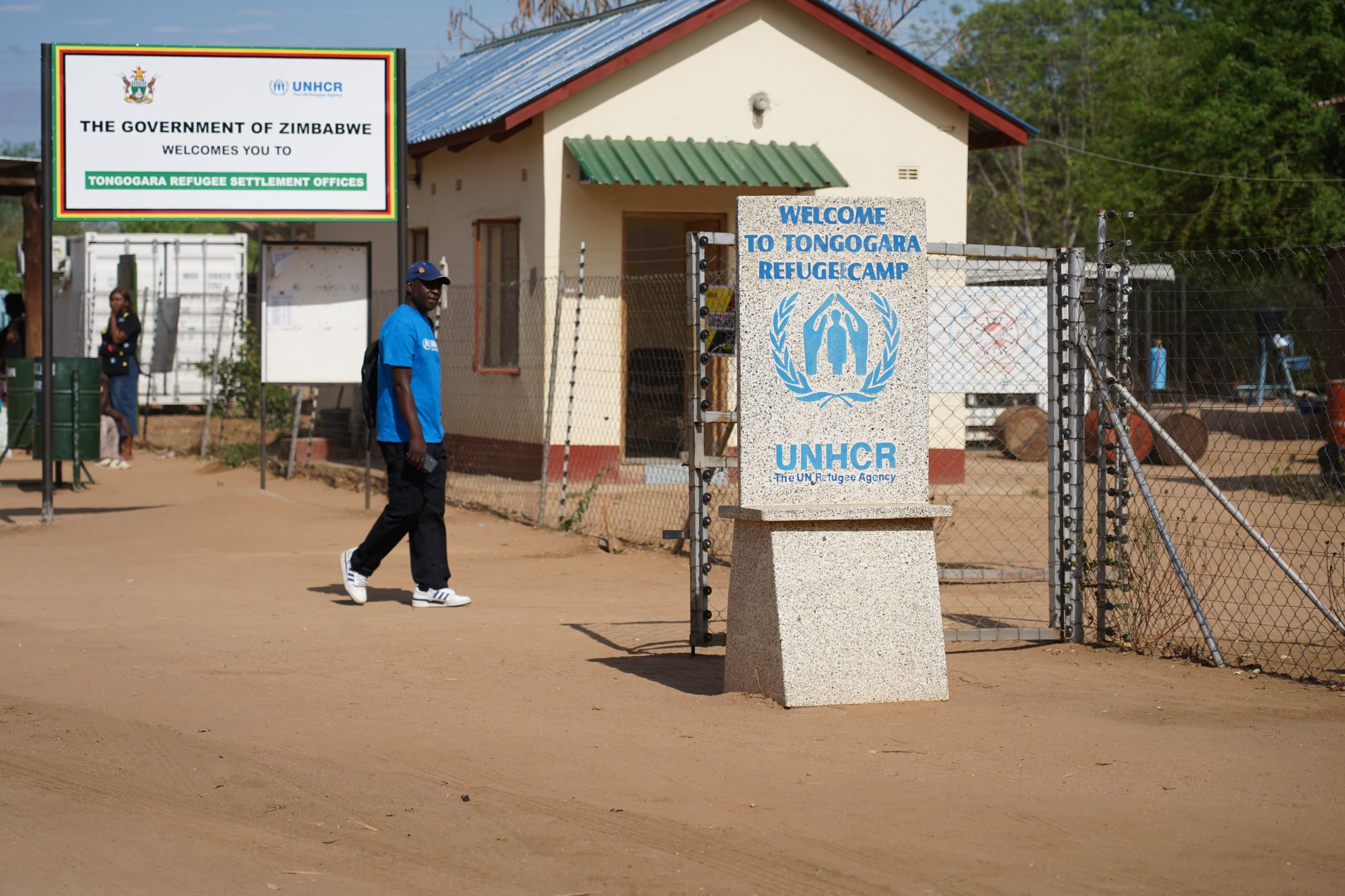
Zimbabwe is among the priority countries targeted under the appeal alongside other African nations including Malawi, Mozambique, Ethiopia, Kenya, Somalia, South Sudan, Sudan and Uganda.
The UN agencies warned that the anticipated El Niño impacts come at a time when millions of people are already struggling with food insecurity driven by conflict, economic instability, displacement and repeated climate-related shocks.
FAO and WFP said they are already prepared to support 1.2 million people likely to be affected by El Niño, but require an additional US$167 million to expand assistance to a further 7.6 million people.
The planned interventions include cash assistance, distribution of drought-tolerant and flood-resistant seeds, livestock protection measures, water harvesting systems, flood prevention infrastructure, agricultural advisories and early warning information.
During the 2023–2024 El Niño event, FAO and WFP supported more than three million people through early interventions delivered before peak climate impacts.
The agencies said current systems, partnerships and response plans are already in place, but warned that financing is urgently needed to ensure vulnerable communities receive support before droughts, floods and storms intensify.