


Staff Reporter
ZIMBABWE’S push to expand fish production and reduce reliance on imports is set to receive a boost following the introduction of modern cage farming technology at Lake Kariba, with a private sector project targeting 7 200 tonnes of fish annually.
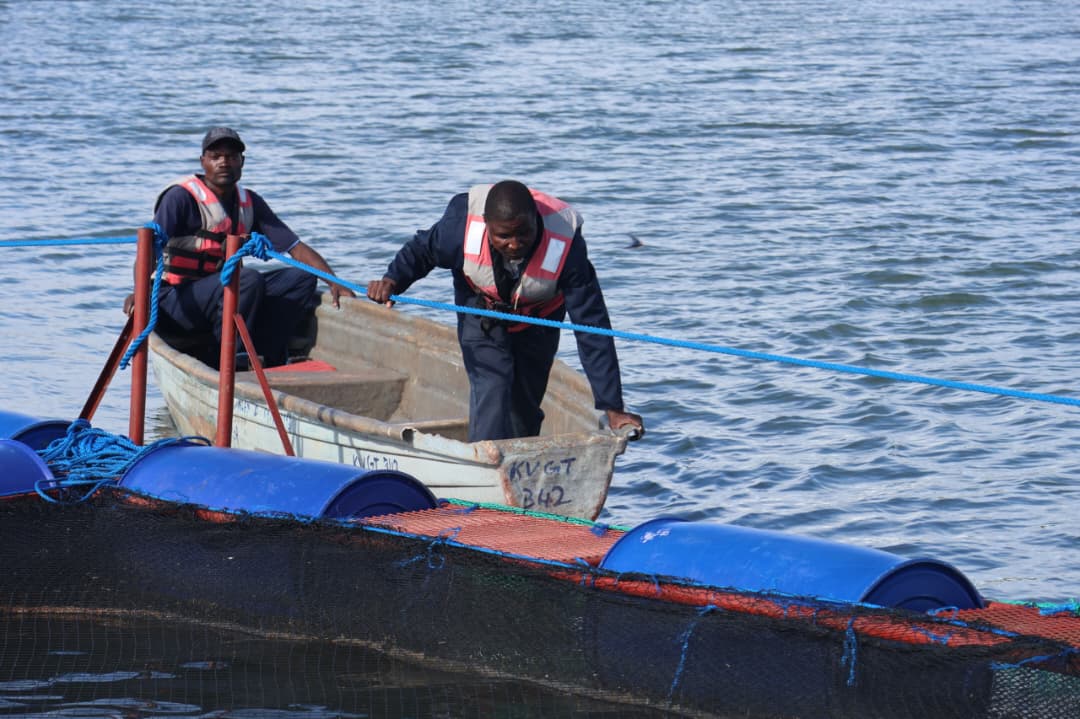
Fin Fish Suppliers is preparing to install a full cage fish farming system at Lake Kariba South in Binga District after receiving the equipment from Denmark, marking a major step towards scaling up commercial aquaculture production.
The project comes as Government intensifies efforts to develop fisheries as part of its broader food security, employment creation and economic growth agenda.
The Ministry of Agriculture, Mechanisation and Water Resources Development has supported the investment through endorsing the company’s application for an import duty and Value Added Tax (VAT) waiver on the equipment valued at US$37 701.40.
Agriculture Secretary Professor Obert Jiri said the investment would contribute to the expansion of Zimbabwe’s aquaculture sector while strengthening food and nutrition security.
“Fish farming is a strategic pillar for Zimbabwe’s economic revival, food and nutrition security. By diversifying agricultural exports, curbing malnutrition and creating rural employment, the sector directly aligns with national growth targets,” Prof Jiri said.
He said lowering the cost of accessing modern aquaculture equipment would encourage more investment into the sector.
“The equipment is a long-term investment that comes with ripple effects including job creation, increased fish production and support for national food and nutrition security,” he said.
Fin Fish Suppliers director Mr Tinashe Chihota said the Danish cage system had already arrived in the country and would soon be deployed at the Binga site.
“We can confirm that the letter is authentic and we have already received the cage system. The next stage is to float it in Binga as we move into commercial production,” he said.
Mr Chihota said the project reflected the growing opportunities within Zimbabwe’s blue economy, particularly for young entrepreneurs seeking to invest in fisheries.
“We sincerely appreciate how Government is supporting and empowering youth fish farmers. Such interventions lower investment costs and encourage young Zimbabweans to participate in the blue economy,” he said.
Beyond infrastructure, the company has also invested in improving production efficiency through the introduction of premium European Union-certified Aller Aqua fish feed from Denmark.
Mr Chihota said the feed has an average feed conversion ratio of below 1.4, enabling farmers to improve efficiency and reduce production costs by about 30 percent.
He said improved production must be matched by stronger distribution systems, adding that the planned establishment of cold-chain infrastructure would be critical in reducing post-harvest losses and improving market access.
“We are looking forward to the establishment of the cold-chain facility as Government and its development partners work towards increasing national fish production to 60 000 tonnes and achieving self-sufficiency,” he said.
The project supports Government’s Agriculture and Food Systems Transformation Strategy, the Zimbabwe Tilapia Value Chain Market Strategy and the Lake Kariba Blue Economy Strategy.
Zimbabwe is seeking to expand aquaculture production as it works towards increasing domestic fish supplies, creating rural employment opportunities and positioning fisheries as a key contributor to economic development.