







In a world facing worsening climate shocks, young innovators in Zimbabwe are stepping forward with groundbreaking technological ideas aimed at protecting the planet and shaping a cleaner future.
Driven by daily experiences of power cuts, water scarcity, poverty, and environmental degradation, Zimbabwe’s young innovaters are turning creativity into climate solutions.
Their innovations, which are being built from everyday materials are proof that the future of climate action is already in their hands.
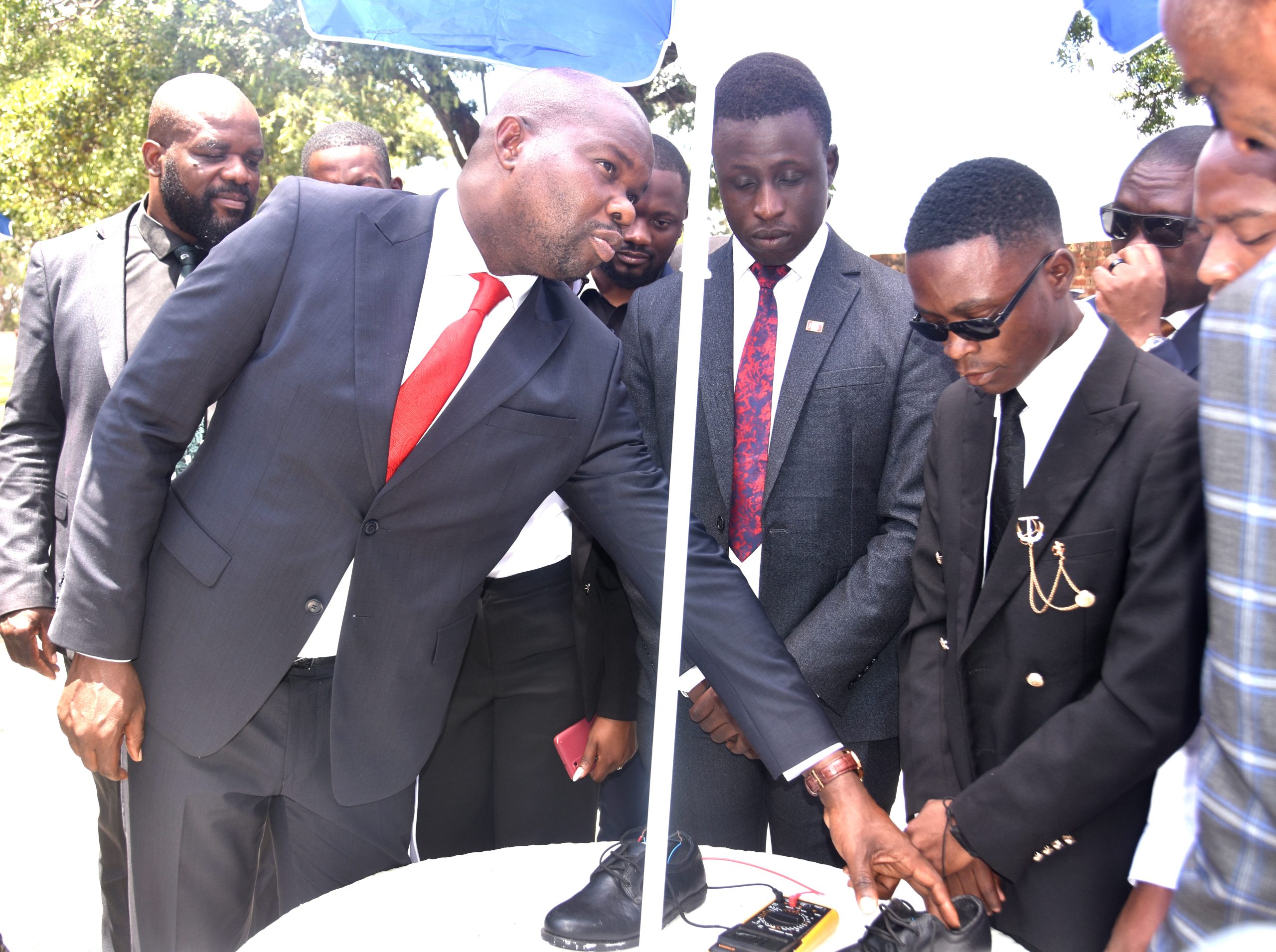
One of these young inventors, Innocent Hodza a student from Bindura University who has engineered a shoe that charges a mobile phone while walking said, “Using motion energy, the idea provides access to power for communities where electricity remains unreliable.
“I wanted to help people in villages who walk long distances but have no power at home,” the student explains. “If shoes can help charge a phone, no one will ever lose connection.”
Another group of learners, led by Simbarashw Masamba who founded Eco glow Light has turned salt and water into a source of clean lighting. Using a simple electrolyte solution, they power small lamps that are already being used by families unable to afford gas or solar systems.
They said the invention replaces dangerous paraffin lamps in rural areas and counter the energy poverty which always see underprivileged children legging behind.
In farming communities, cow dung — usually seen as waste — is being transformed into a renewable energy source.
Ryan Meza and Blessing Andisen, both 17 years old inverted a battery from cowdung and soda.
Meza, the project president said, “this project is targeting school going children in rural areas who are mostly affected by energy poverty
fuel that can replace firewood and charcoal, helping reduce deforestation. The biogas also creates natural fertilizer, supporting climate-smart farming practices.
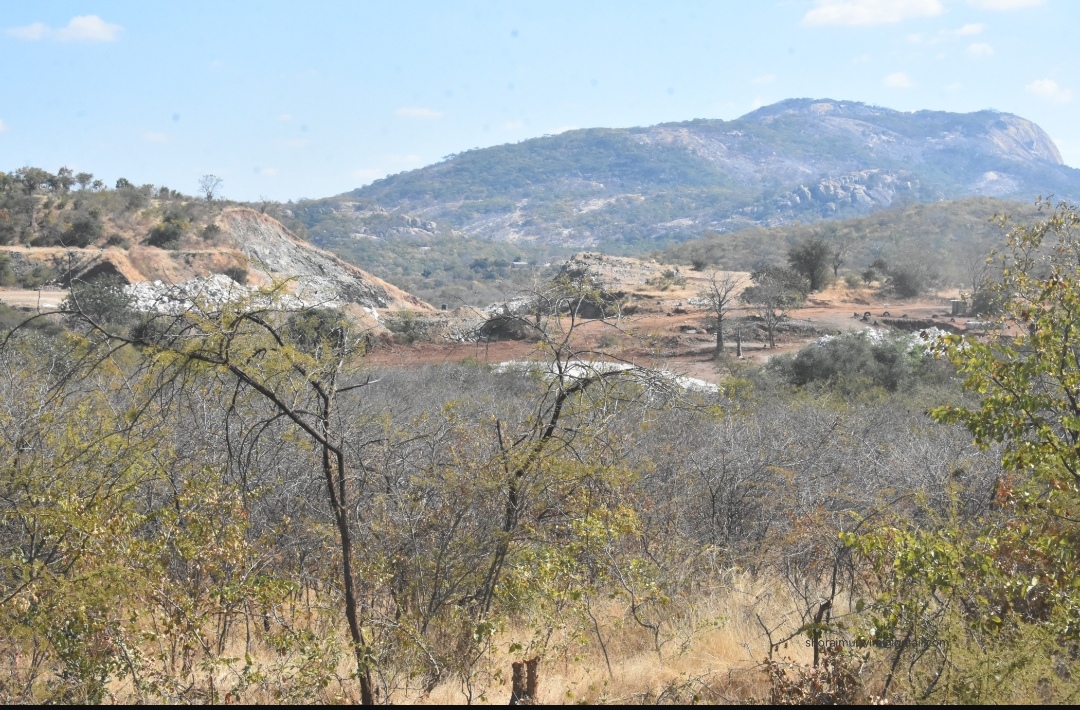
These innovations come at a time when Zimbabwe is grappling with environmental concerns linked to lithium mining. While the mineral is in high global demand for electric car batteries, mining activities have left land scarred, polluted, and unsafe. Young scientists are advocating for greener, community-friendly alternatives so that progress does not come at the expense of the environment.
Wayne Musingwini, Denis Maronga and Tavonga Maworese invented a machine that purifiers dirty water with the idea of reducing the amount of dirty used water that is being lost daily by lodges and hotels facilities.
“This water is filtered through our energy smart system and use solar disinfection to kill micro bacteria with it in the water and it can be easily be used in the environment.
” We going to be using this to adapt to climate crisis
The you people showcases their talents at a graduation ceremony at Ruwa Vocational Training center under the programs supported by UNICEF and European Union.
Officiating the event, minister of youth, Tino Machakaire said, ” with mentorship, access to technology, and exposure to global innovation platforms, their prototypes could be scaled up to transform entire communities.”
UNICEF Zimbabwe country representative, Etona Ekole who also witnessed the inventions also said, “This shows what is possible when government, private sector, public partners, and young people work together (what we call in UNICEF a Public-Private-Youth Partnership – PPYP). It is more than a building. It is a space where ideas can grow, where skills can be sharpened, and where young people can acquire 21st century skills and prepare for the world of work, transitioning smoothly from learning to earning.
“This is part of the solution. It aligns with the Zimbabwe Digital Skills Development Programme launched by President Mnangagwa earlier this year. That programme aims to reach 1.5 million young people with digital literacy and skills and UNICEF is proud to contribute to this national target. Together with UN agencies, private sector, and donors, we are committed to scaling this social innovation hub model to all 60 Vocational Training Centres across the country.”
Despite limited funding due to prioritazation of global funds , the children continue to push boundaries using creativity and local resources.
As the world races to embrace clean energy and sustainable development, these young Zimbabweans are proving that age is not a limitation. Their message is clear: climate action is not only for the future — it starts today, and it starts with them.