


Climate change is increasingly disrupting education systems worldwide, and school children in Zimbabwe are among those bearing the brunt of a crisis they did not create.
Extreme weather events such as prolonged droughts, heatwaves and flooding are not only damaging school infrastructure but also widening inequalities in access to education, as funding gaps continue to limit meaningful adaptation.
Globally, an estimated 242 million children had their schooling disrupted in 2024 alone due to climate-related hazards, according to UNICEF. In Southern Africa, recurrent climate shocks have become a persistent threat to learning continuity, particularly in rural and marginalised communities where schools lack climate-resilient infrastructure.
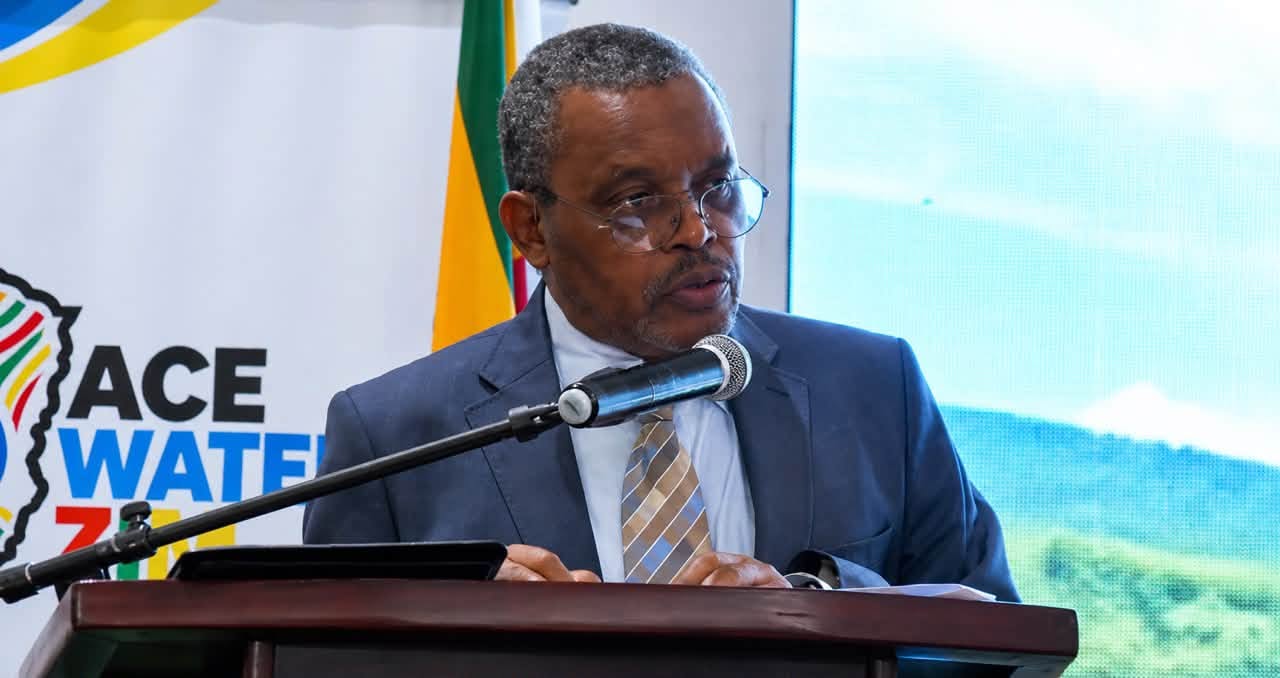
Speaking at the launch of KOICA, UNICEF Zimbabwe Representative Etona Ekole warned that climate change is no longer a future risk but a present danger to children’s rights.
“Climate change is threatening children’s access to education, safety and health. When schools are damaged or closed due to extreme weather, children lose critical learning time and are exposed to greater risks,” she said.
“Tackling climate change requires a multi-sectoral approach, one that integrates climate adaptation into education, health, water, sanitation, and social protection systems. The future of our children depends on our ability to build climate-resilient communities, strengthen our policies, and invest in sustainable solutions,” added the UNICEF Zimbabwe representative.
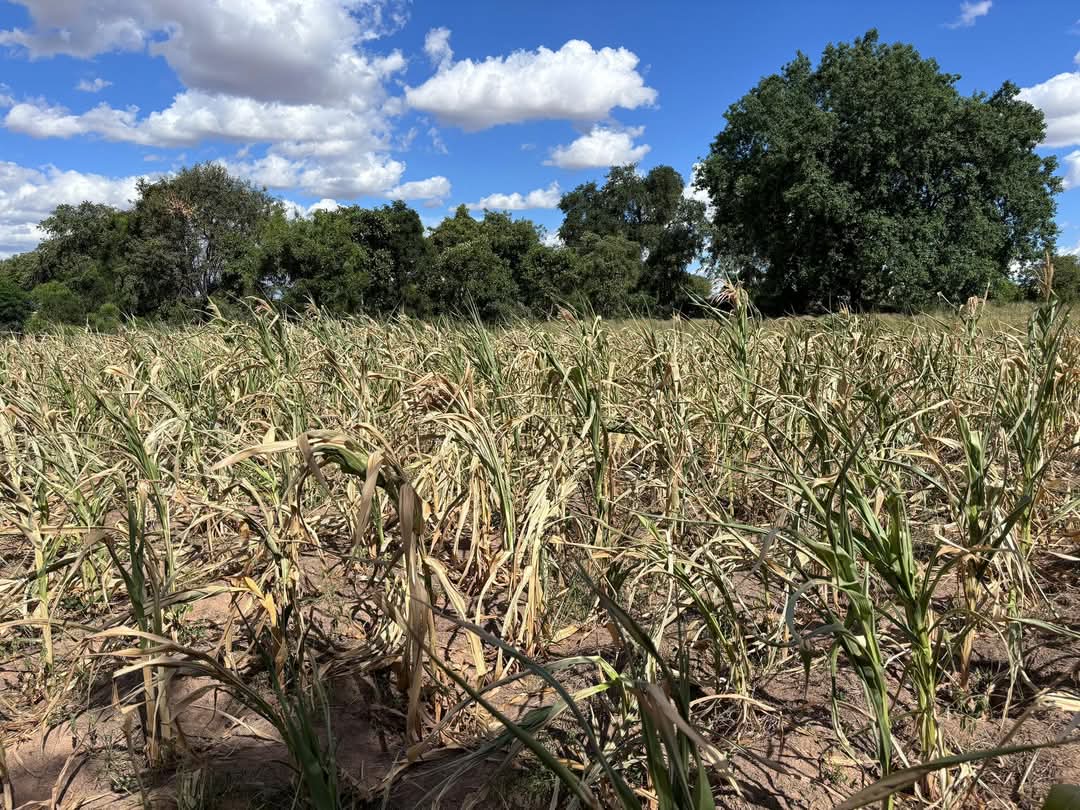
In Zimbabwe, the impacts are already visible. Rising temperatures have made classrooms unbearably hot, affecting children’s ability to concentrate, while floods and storms periodically damage school buildings, roads and sanitation facilities. During drought periods, many children—especially girls—are forced to miss school to help their families fetch water or cope with food shortages.
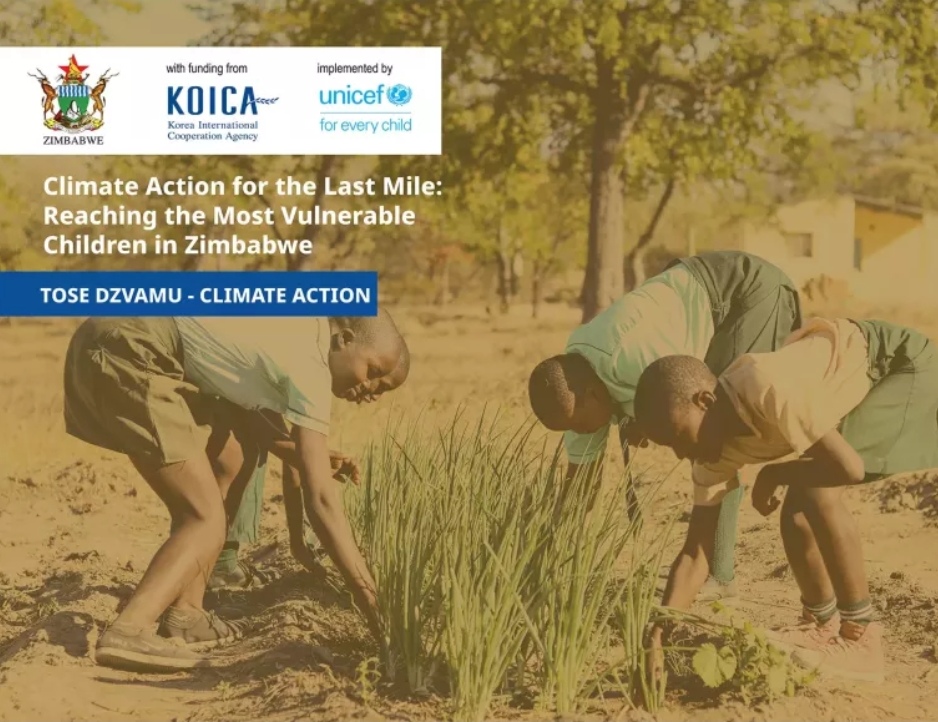
Launched by the Government of Zimbabwe , UNICEF, and the Korea International Cooperation Agency (KOICA), aims to directly help 30,000 people and reach one million more. The “Climate Action for the Last Mile: Reaching the Most Vulnerable Children in Zimbabwe,” the project was lauched at Kuwadzana High School 3 in Harare and the project targets areas including Harare, Chipinge, Mangwe, and Beitbridge.It focuses on improving services and infrastructure for vulnerable children and communities affected by climate change.
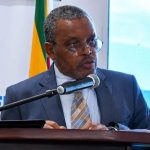
The initiative is said to aim enhance access to clean water, sanitation, education, health, nutrition, and child protection services. It also aims to strengthen climate policies and empower children to get involved in decisions that affect their environment and future.“Climate change is not just an abstract concept, it is a harsh reality that manifests in extreme weather events, prolonged droughts, and erratic rainfall patterns. These changes exacerbate existing vulnerabilities, particularly for our most marginalised populations, our children and vulnerable communities. Children face heightened risks of food insecurity, waterborne diseases, and limited access to education, all of which hinder their potential and future,” said Environment, Climate and Wildlife Minister Dr Sithembiso Nyoni.
Zimbabwe is ranked among countries where children face high climate risk, meaning they are more vulnerable to climate shocks while having limited resources to adapt. Education experts say this reality is being worsened by a significant funding imbalance.
Despite education being one of the sectors most affected by climate change, it continues to receive less than two percent of global climate finance. This shortfall has left many schools without adequate resources to retrofit classrooms, improve water and sanitation facilities, or introduce heat-resilient learning environments.
Korean ambassador to Zimbabwe Mr Park Jae Kyung said they have donated US$5 million to aid Zimbabwe in its battle against climate change focusing on vulnerable children who are disproportionately impacted by environmental disasters.“The Climate Action for the Last Mile project will strengthen education, health, nutrition, child protection and social protection systems, and climate smart Water, Sanitation and Hygiene (WASH). The Korean government is providing five million USD for the people of Zimbabwe through UNICEF for two years (2025-27). The project targets 30,000 direct beneficiaries, and among those, 40% or 12,000 will be children”, Park Jae Kyung.
“We cannot talk about climate resilience without talking about schools. Education systems must be climate-smart, yet they remain among the most underfunded sectors in climate adaptation planning,” he added.
Government officials have acknowledged the challenge, pointing to ongoing efforts to integrate climate resilience into national education planning. However, they also admit that limited financial resources and competing national priorities continue to slow progress.
“Our education sector is facing growing pressure from climate-related disasters,” said Dr Nyoni
“What we need now is stronger investment partnerships that ensure schools are safe, inclusive and able to withstand climate shocks.”
As climate impacts intensify, stakeholders warn that failure to act will have long-term consequences. Lost learning time, higher dropout rates and increased vulnerability could reverse hard-won gains in education access and gender equality