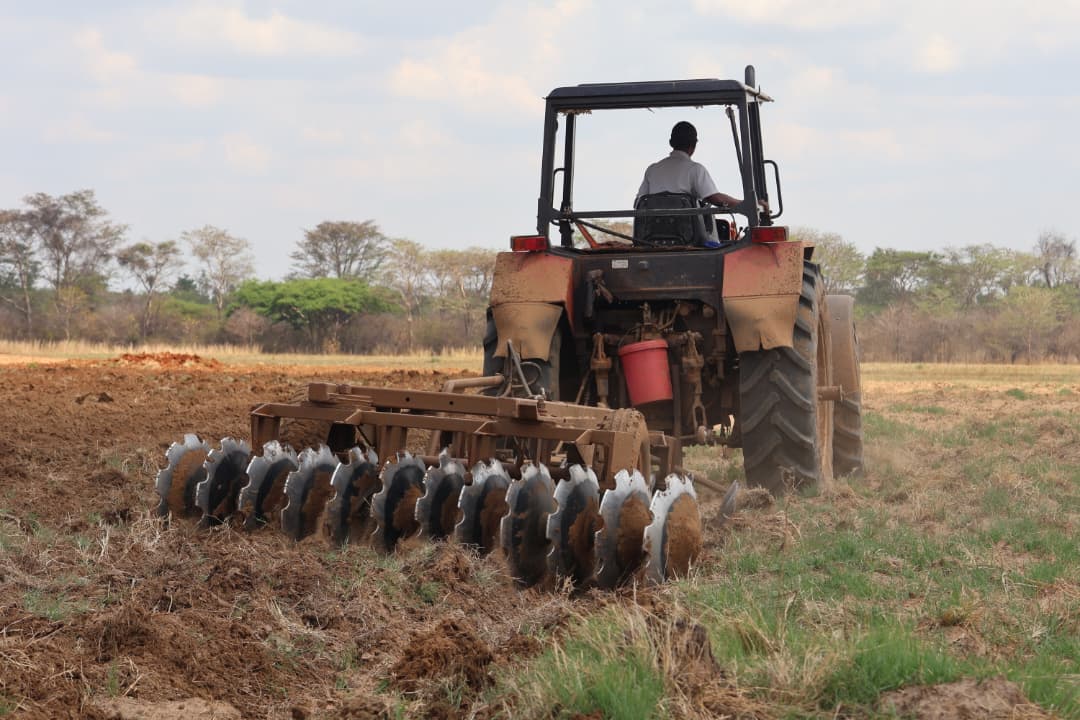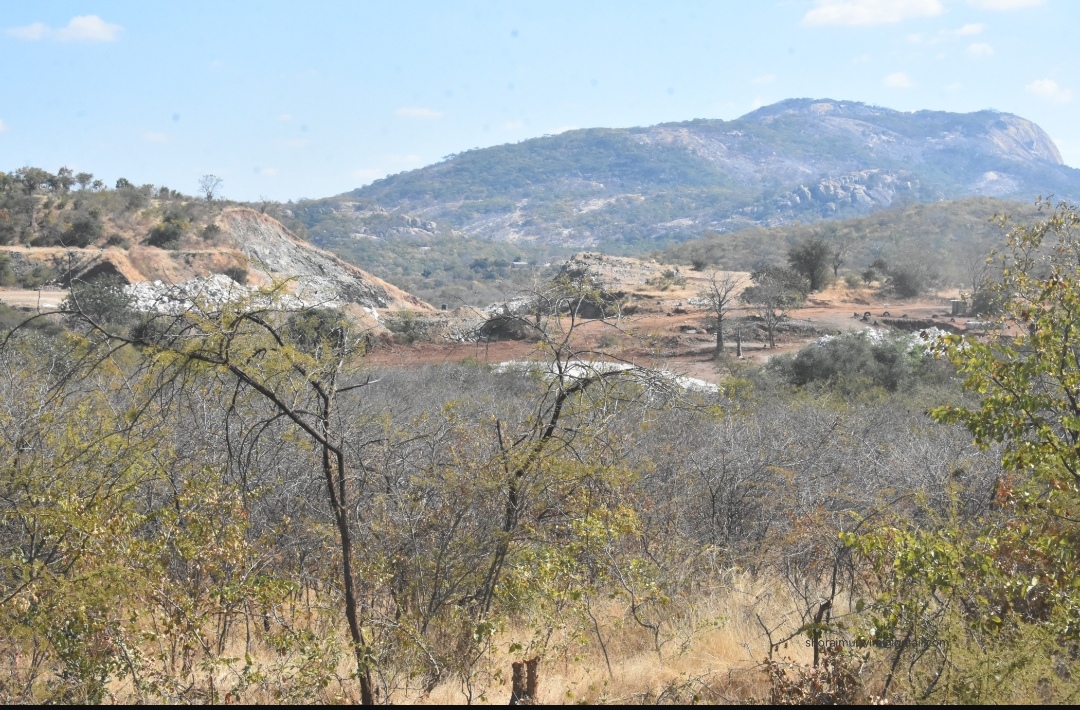



Matabeleland South – Zimbabwe marked the 2025 World Food Day commemorations in Matobo District with a unified call from government, UN agencies and development partners for strengthened collaboration to build resilient, climate-smart and nutrition-sensitive food systems.
This year’s event ran under the global theme “Hand in Hand for Better Foods and a Better Future.”
Representatives from the Government of Zimbabwe, WFP, FAO, IFAD, AFEW, ICRISAT, civil society, the private sector and farmer organisations gathered to reaffirm their commitment to tackling hunger at a time when the country continues to face the compounded impacts of El Niño-induced drought, climate variability, economic shocks and land degradation.
WFP Zimbabwe representative and country director Barbra Clemens emphasised that the current food security landscape requires deeply coordinated action across all sectors.
WFP highlighted that hunger in Zimbabwe is rising in the face of prolonged dry spells and increasing production costs, making partnerships “no longer optional, but essential.”
“Food is more than a commodity, it is life, dignity, and national development. As we celebrate World Food Day, we must recognise that no single institution can end hunger alone. Food security is a shared responsibility that demands governments, development partners, civil society and communities work hand-in-hand, ” she said.
WFP reaffirmed its commitment to supporting national priorities through emergency food assistance, resilience-building activities, smallholder farmer support, nutrition programming and its continued partnership.
Minister of State for Matabeleland South, Albert Ngulube, described the province as a “hive of activity and resilience,” noting its frontline role in rolling out key components of the Presidential Rural Development Programme.
He highlighted progress under the Rural Development 8.0 model, which is establishing solar-powered, drip-irrigated one-hectare plots across communities, village business units, schools and youth hubs.
“This is not just about water, it is about transforming rural economies,” he said.
“Matabeleland South is pioneering the regularisation of agro-ecological conditions, the adoption of drought-tolerant crops such as millet and sorghum, and the digitalisation of livestock management under the Presidential Climate-Proof Agriculture Scheme, ” he added.
The government also encouraged farmers to embrace agriculture as a business by producing high-value crops, engaging in value addition and participating in structured national markets.
Speaking on behalf of IFAD Country Director Francesco Rispoli, Joylyn Ndoro reaffirmed the organisation’s commitment to Zimbabwe’s rural development agenda.
Since 1980, IFAD has invested almost USD 400 million in eight projects aimed at improving rural livelihoods through climate-smart agriculture, livestock development, irrigation rehabilitation and value chain strengthening.
In Matabeleland South, IFAD celebrated successes of the Smallholder Irrigation Revitalisation Programme (SIRP), which rehabilitated 5,200 hectares of communal irrigation schemes and benefitted 35,000 farmers half of them women.
IFAD also highlighted two ongoing major programmes, Smallholder Agriculture Cluster Project (SACP), linking 800 farmer groups to 200 SMEs and 40 lead enterprises while climate-proofing 1,780 hectares and establishing 100 Village Business Units.
Horticulture Enterprise Enhancement Project (HEEP), a USD 66.55 million initiative expected to directly benefit 71,000 households across 20 districts, with strong focus on youth, women and nutrition.“IFAD stands ready to scale up climate-smart agriculture under the IFAD13 cycle,” Ndoro said.
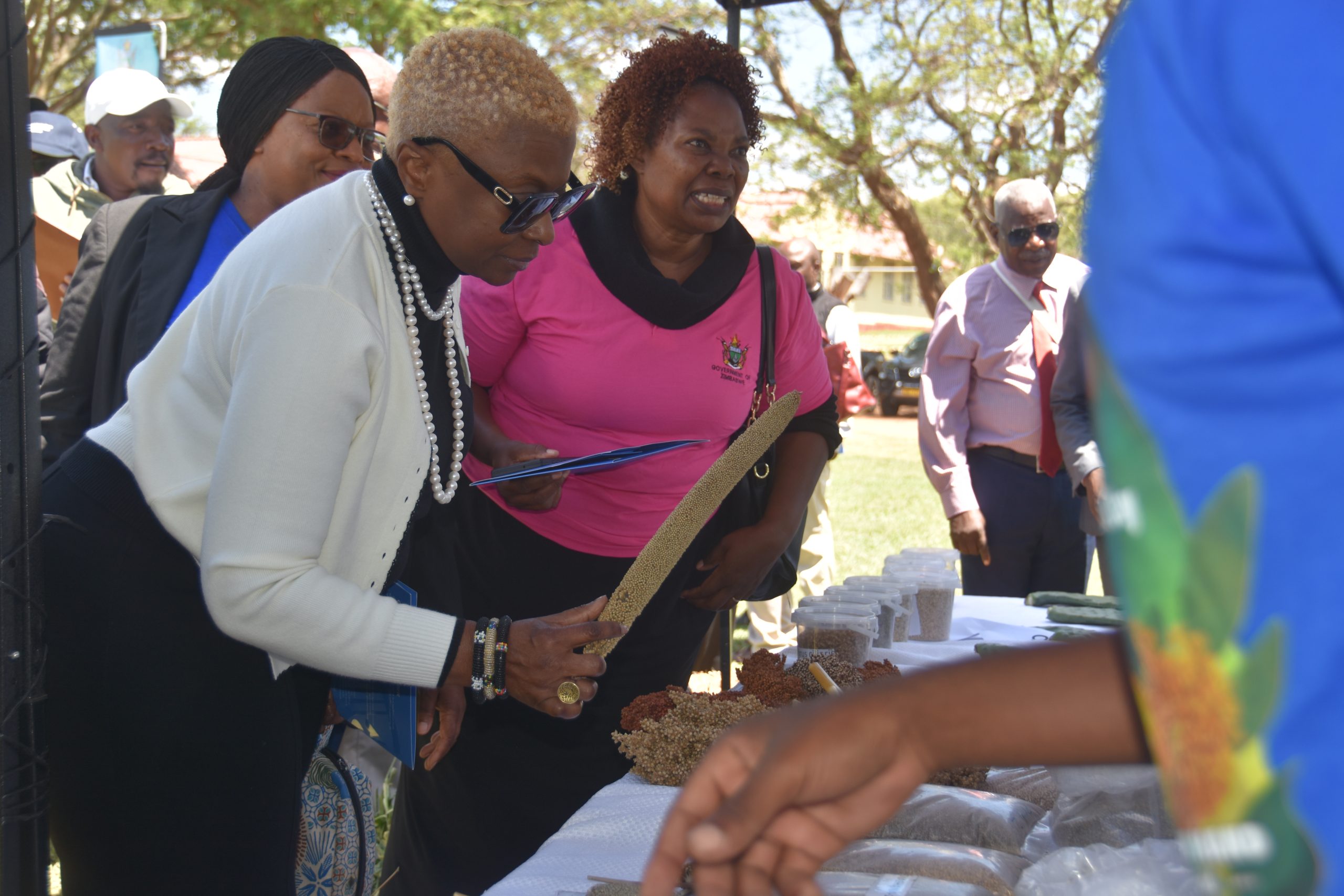
ICRISAT Country Representative Dr. Martin Moyo who also spoke during the celebrations emphasised the critical role of research and climate-resilient crop varieties in securing food systems in semi-arid regions.
He said ICRISAT’s work in Zimbabwe focuses on drought-tolerant crops such as sorghum and millet, soil health technologies and sustainable farming methods.
He also announced successful co-release of the country’s first pearl millet hybrid varieties, PMH1 and PMH2, and two new sorghum hybrids—breakthroughs expected to boost yields and nutrition in dry areas.
“These varieties are science in action—bringing real solutions to farmers in harsh agro-ecological zones,” Dr. Moyo said.