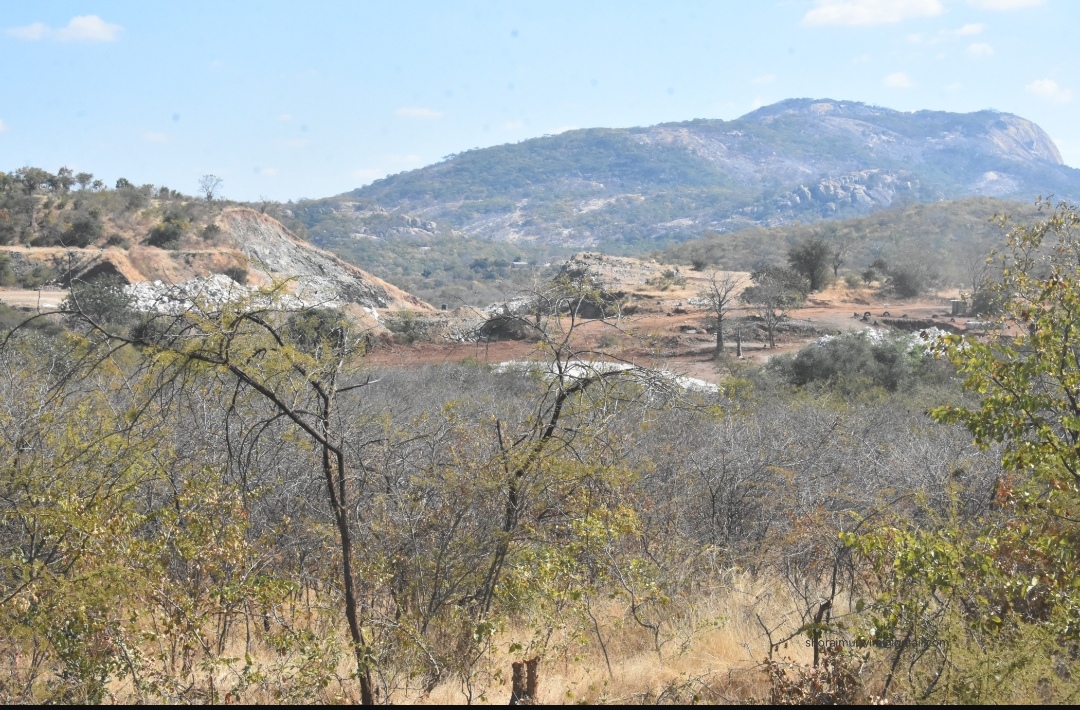

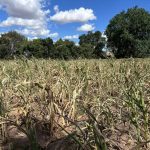



In the parched district of Rushinga, Mashonaland Central, where rainfall has become erratic and rivers have long run dry, a group of determined women in Chimukoto Village are rewriting their story of survival.
Once struggled to put food on the table due to consistency droughts, they have turned to non-timber forest products and drought-resistant crops to feed their families and rebuild their livelihoods.
The women have adapted to the harsh realities of climate change by harvesting wild fruits, growing small grains such as sorghum, millet, and rapoko, and harvesting wild fruits, all in promoting organic diets to improve community health.
Their resilience has become a symbol of hope in a region where drought has rendered farming nearly impossible.

A packet of harvested ‘Mashava’, a special type of drought resistant sorghum
“Water is our biggest challenge, but nature has never stopped providing,” says Shelly Mudzemba, one of the women leading the community initiative. “We now grow Mashava soughum which are drought resistant that even if the rains don’t come, we can still harvest. We also rely on wild fruits like marula seeds and masawu, which grow naturally and help us feed our families when there is no maize.”
These fruits, once seen as snacks for children or treats during hunting trips, are now a major part of the community’s diet and income. The women gather, process, and dry the fruits for longer shelf life, selling the produce in nearby markets.
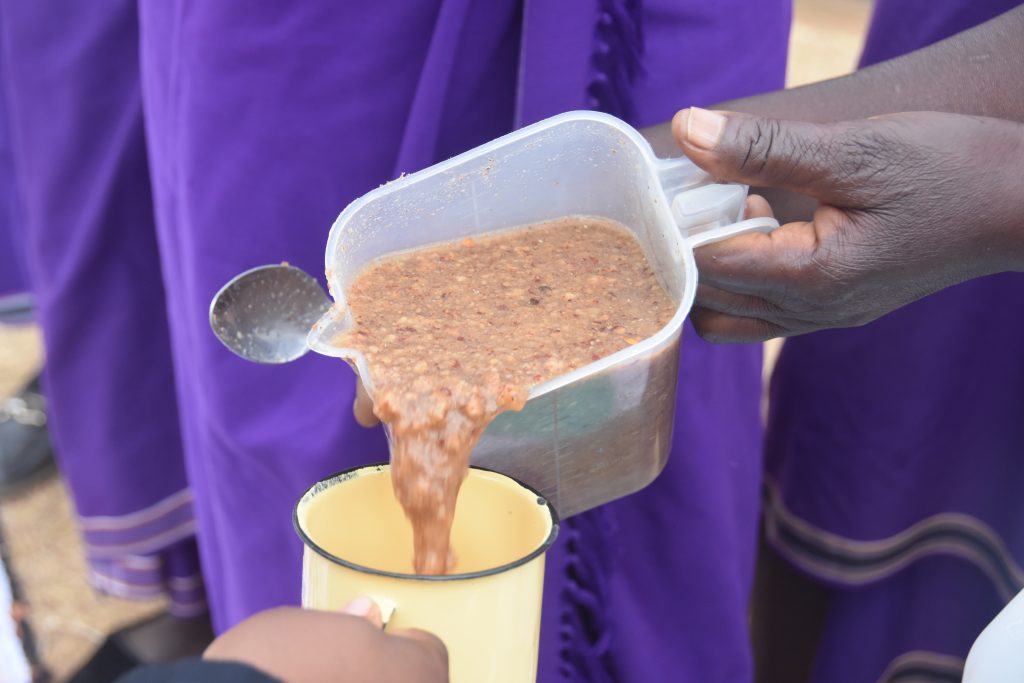
Maheu, traditional drink made from masawu harvested from the forest
Now in value addition, some are experimenting with making Baobab juices, jams, and dried fruit packs small but significant steps toward building local value chains.
Their activities are supported by Welthungerhilfe (WHH), an international organization helping communities in drought-prone areas build resilience through climate-smart agriculture and sustainable resource use. WHH introduced the women to non-timber forest product (NTFP) projects, training them on how to harvest sustainably without destroying the forests.
For years, Chimukoto villagers struggled to access clean water. Women would walk long distances to fetch water for drinking, cooking, and irrigation.
The burden was heaviest on them and young girls, who missed school to help with daily chores.
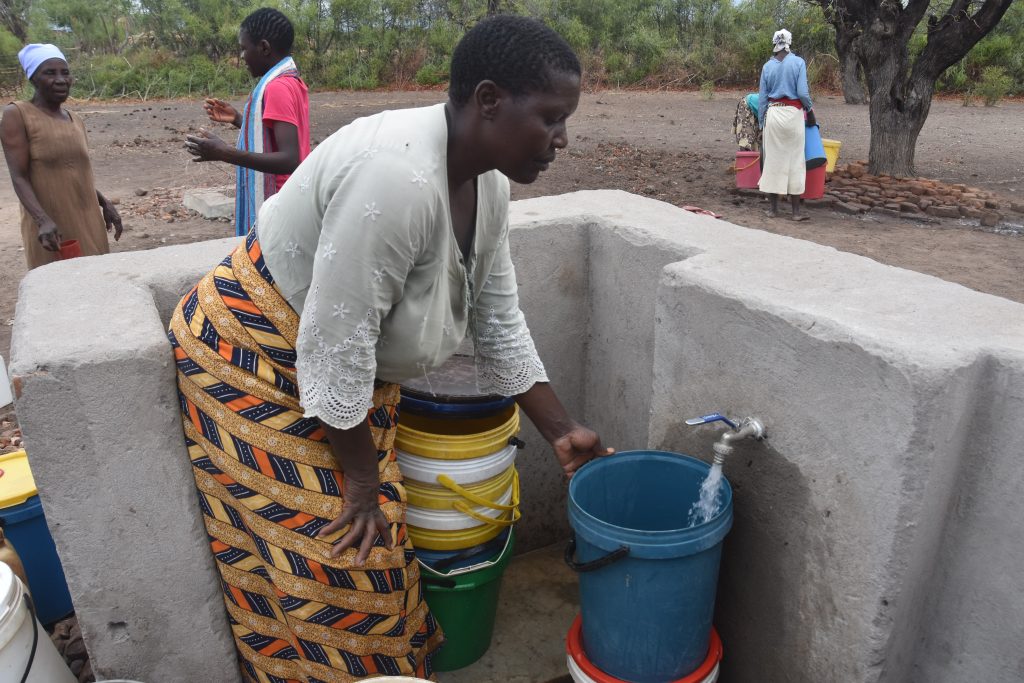
That changed when WHH, with support from partners, drilled boreholes and established solar-powered piped water schemes.
Each household in the community now has access to running water, a development that has transformed both hygiene and productivity.
“We never thought we would see water running from a tap at our homesteads,” says Shupikai Nhete, a mother of four. “Now we use the water for gardening, washing, and even to irrigate small grain crops. It has given us freedom and hope.”
The water schemes have also reduced waterborne diseases and improved sanitation in the area. With time saved from walking to fetch water, women have found opportunities to engage in new income-generating activities such as fruit drying, small livestock rearing, and traditional seed banking.
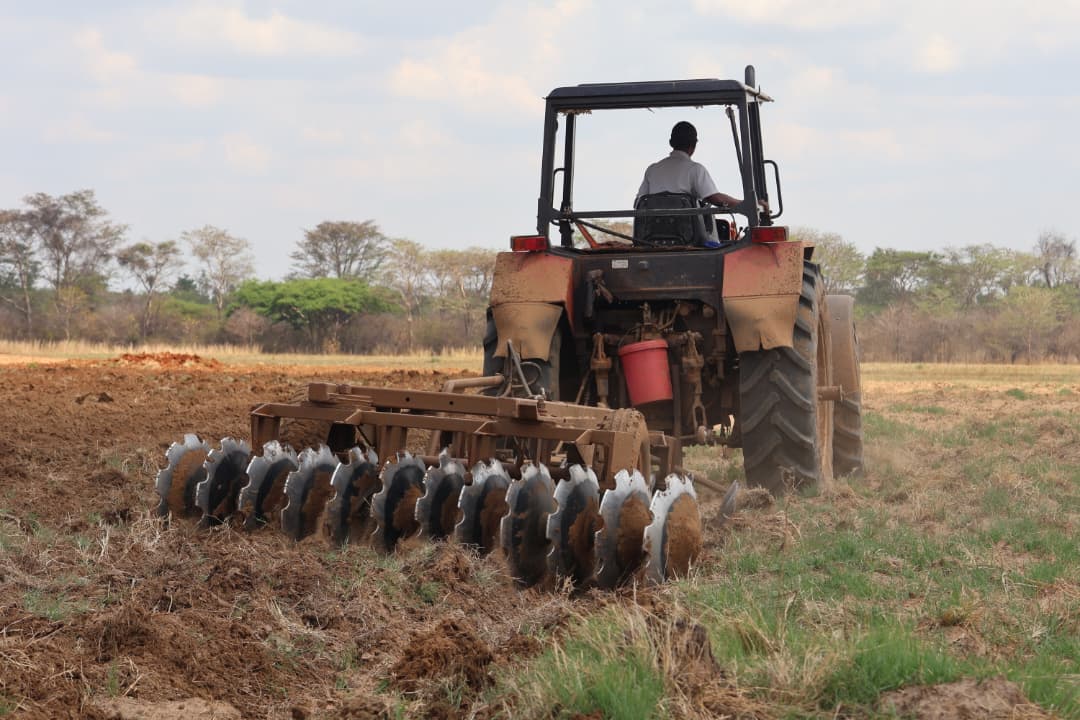
In response to persistent droughts, the women of Chimukoto have diversified their farming practices. Instead of relying solely on maize, which has failed in recent years, they have shifted to small grains and drought resistant crops like sorghum and rosella which require little water and withstand high temperatures.
These small grains are not only drought-resistant but also nutritious, offering essential minerals and vitamins that improve household diets. WHH has trained the farmers in post-harvest handling and provided solar dryers to prevent spoilage, ensuring that their efforts yield food security even in harsh seasons.
Beyond agriculture, the women of Chimukoto are also taking charge of health and nutrition. They have formed health care and nutrition clubs that promote the consumption of organic, locally available foods—especially for children, pregnant women, and breastfeeding mothers.
“We realized that what we eat determines how strong we are,” explains Esnath Mudzemba, a community health champion and lead mother in the project. “We encourage young mothers to use organic foods from their gardens and forests instead of processed ones that are expensive and less healthy.”
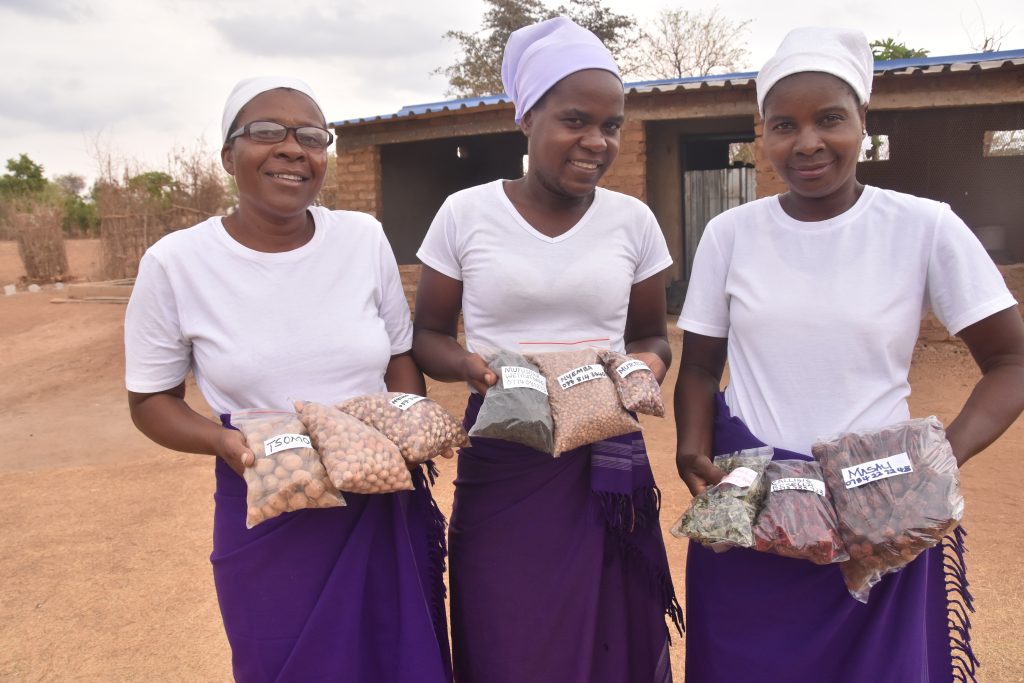
In Chomutukutu, women are not just beneficiaries, they are decision-makers. They lead farmer groups, health clubs, and savings cooperatives, ensuring that development projects are community-owned and sustainable.
The Rushinga project is fast becoming a model for climate adaptation in rural Zimbabwe. By combining indigenous knowledge, modern farming techniques, and gender empowerment, it demonstrates how communities can thrive even under the most difficult conditions.
As global climate change continues to threaten livelihoods across Africa, the story of the women in Chimukoto offers a powerful reminder: adaptation is possible when communities work together, tap into local resources, and value the leadership of women.
“We may not have much,” says Mai Chido with a smile, “but with our hands, our forests, and our small grains, we are building a future where our children will not go hungry again.”
WHH Mashonaland Central Field Manager, Tamuka Betse, said, “We had noticed the water challenges faced by communities here in Rushinga and how they were affecting villagers’ livelihoods. We worked closely with them to find sustainable solutions, allowing the community to take the lead in deciding how they wanted to be assisted. This participatory approach resulted in the establishment of piped water schemes that now provide clean water to households.”