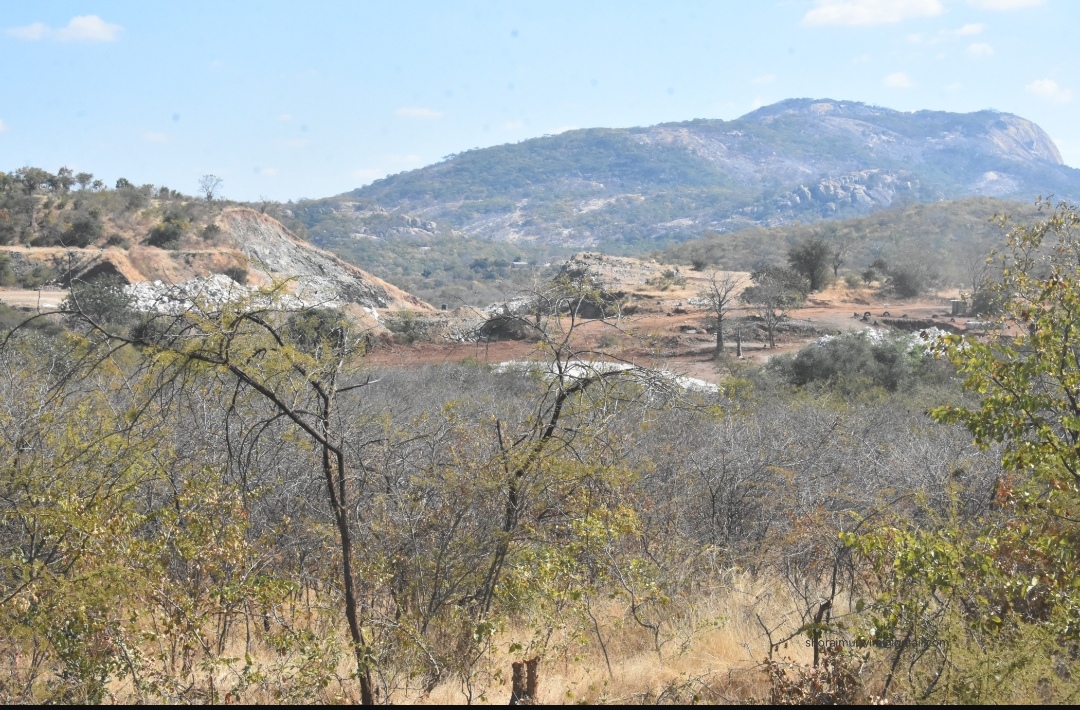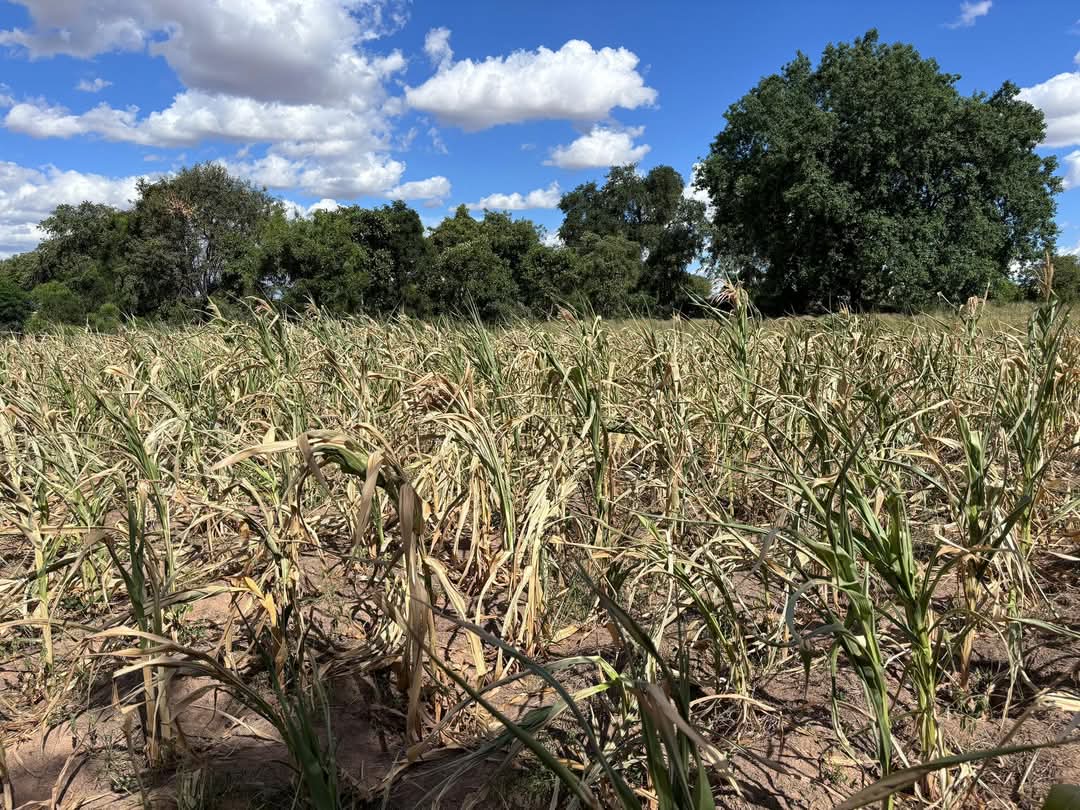




Matabeleland has long lived at the mercy of the sky.
Seasons are unpredictable, rains arrive late or not at all, and hunger is a familiar visitor in most homes. For years, families in this dry southern region of Zimbabwe have survived more on hope than on harvests.
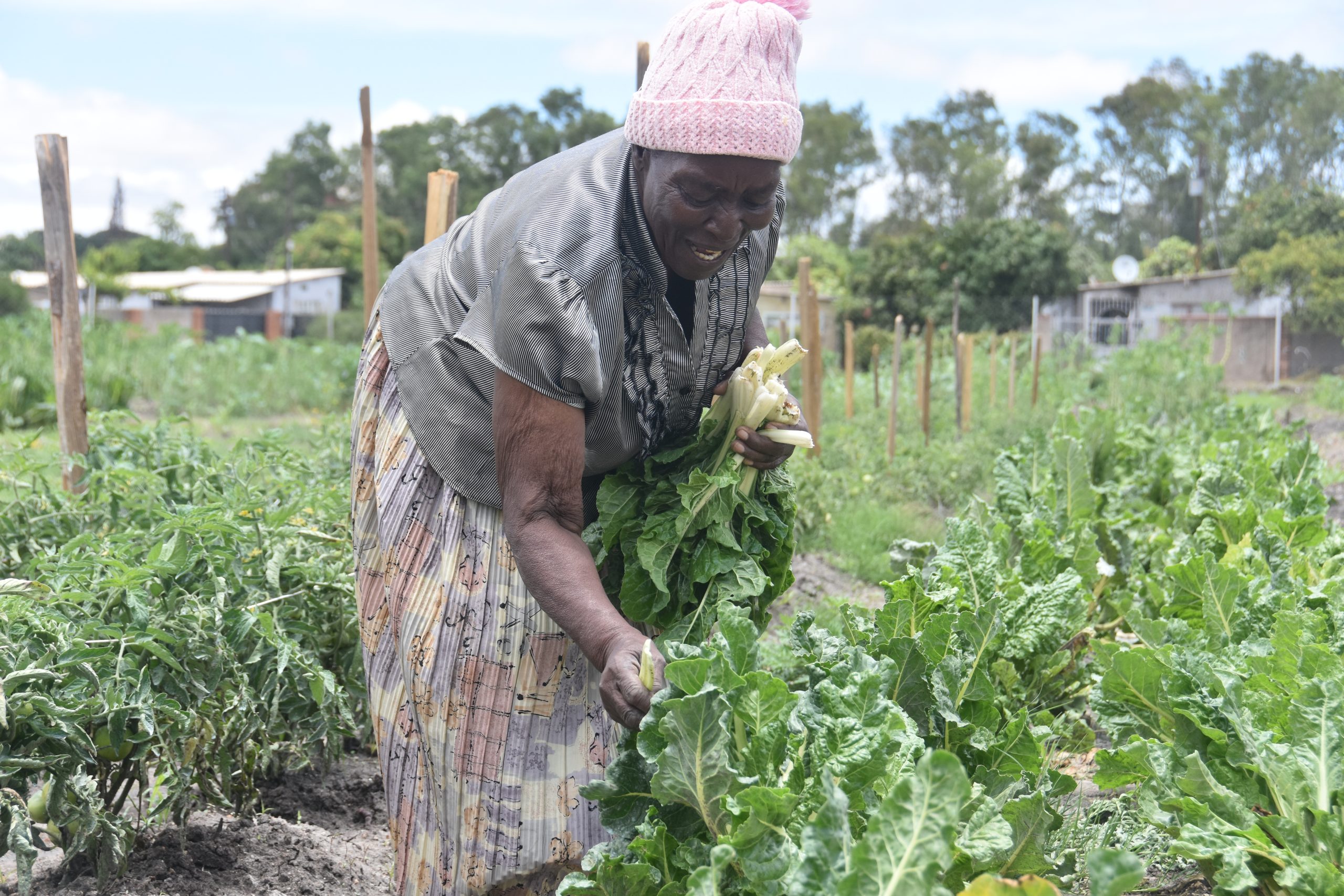
But tucked behind the dusty footpaths and scattered homesteads of one Pelandaba community, a flourishing green garden cared for by elderly women who have known drought all their lives.
The garden ‘KwaMaM’kwanazi’ is small, but its impact is enormous. Supported by the World Food Programme (WFP), what began as a simple nutrition project has become a symbol of resistance in a land that has grown tired of struggling.
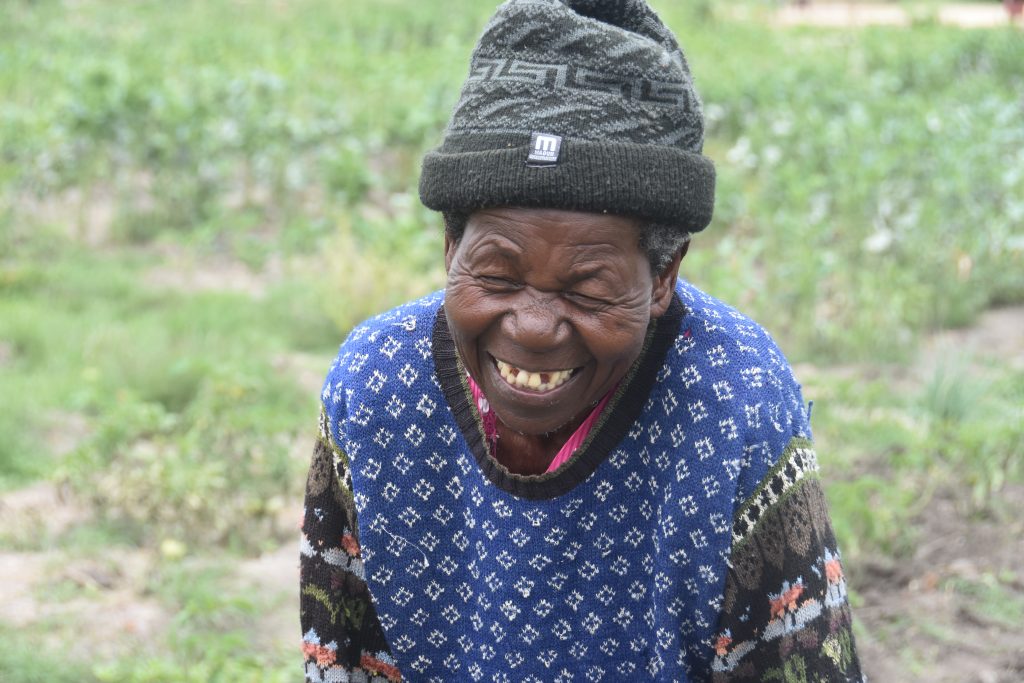
Eighty-something-year-old Winnie Ndlovu (she laughs when you ask for her exact age because she can’t remember it) bends over a row of tomatoes with a strength that surprises you. She is a widow raising her grandchildren alone. Her husband died years ago, and the drought took away the only field she had relied on.
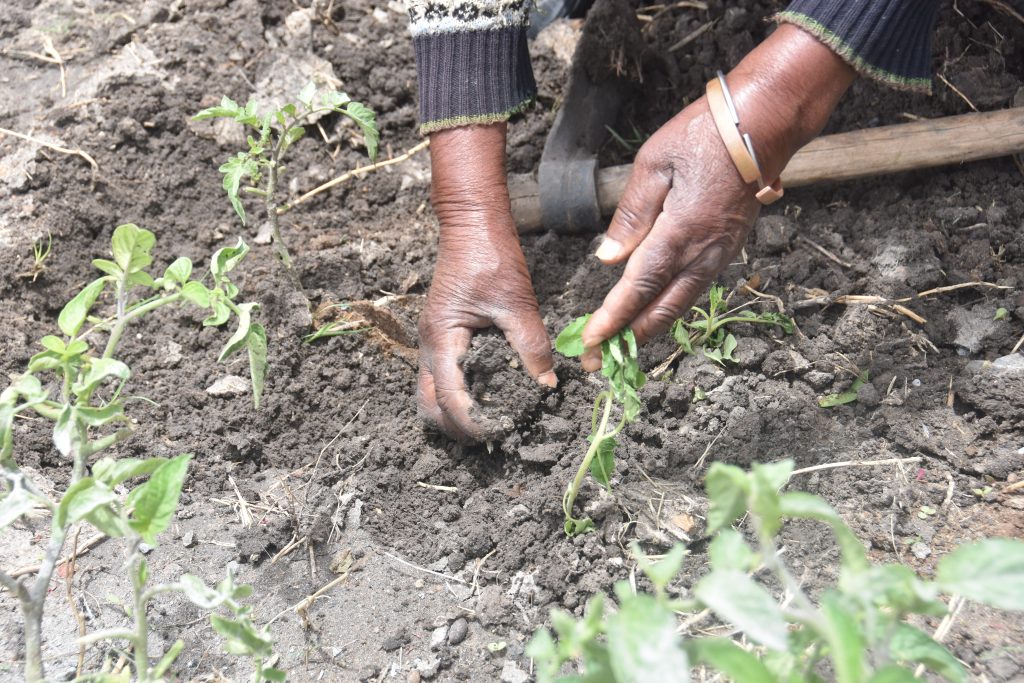
Today, she earns an income from tomatoes grown in this community garden enough to buy mealie-meal, soap, and vegetables she doesn’t grow.
“I thought hunger would finish us,” she says, sitting on an upturned tin as she wipes sweat with the edge of her doek. “But these tomatoes are now feeding my grandchildren. I sell a bucket and I buy what we need.”
Gogo Winnie said life before the garden was difficult and she used to sit at the gate of the nearby school everyday, selling sweets and when schools are closed it means no food for her and grandchildren.
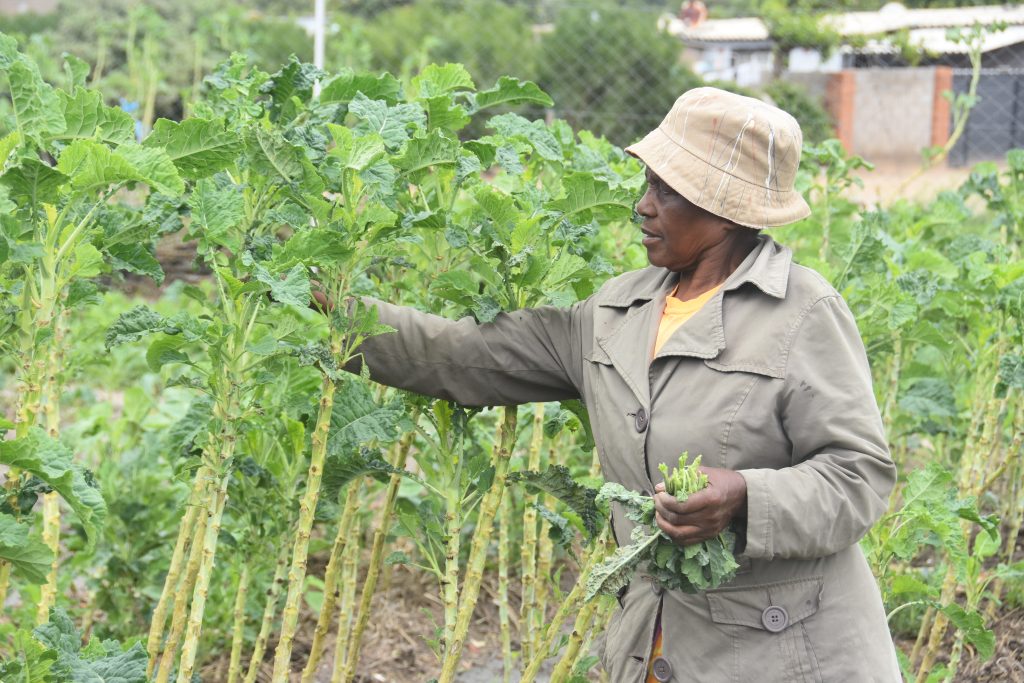
A few meters away, 68-year-old Gogo Thandiwe tends to her leafy green covo. With a shy smile, she confesses that before the project, she had no steady source of income.
“Now I can make around ten dollars a week,” she says. “It’s small, but to us, it’s something big.”
For a woman who raised children on piece jobs and handouts, ten dollars is more than money it is dignity. It means she can contribute to her household.
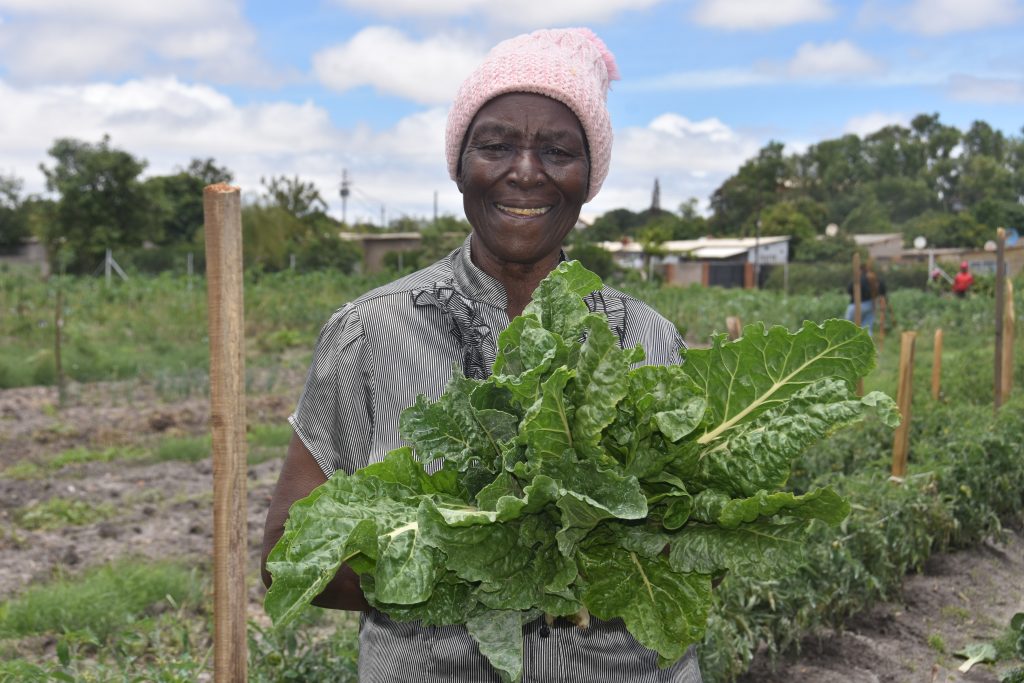
Sibonginkosi Siphepa, 75 is also growing spinach in that garden; she said since the garden started life has changed for her. She is never run out of basic food in her home.
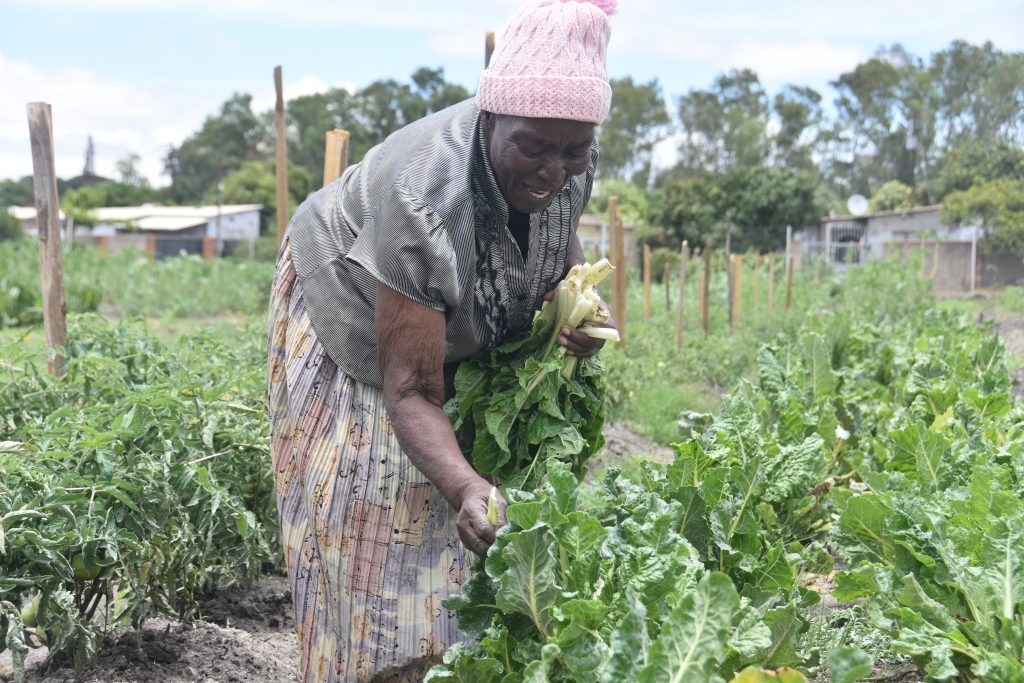
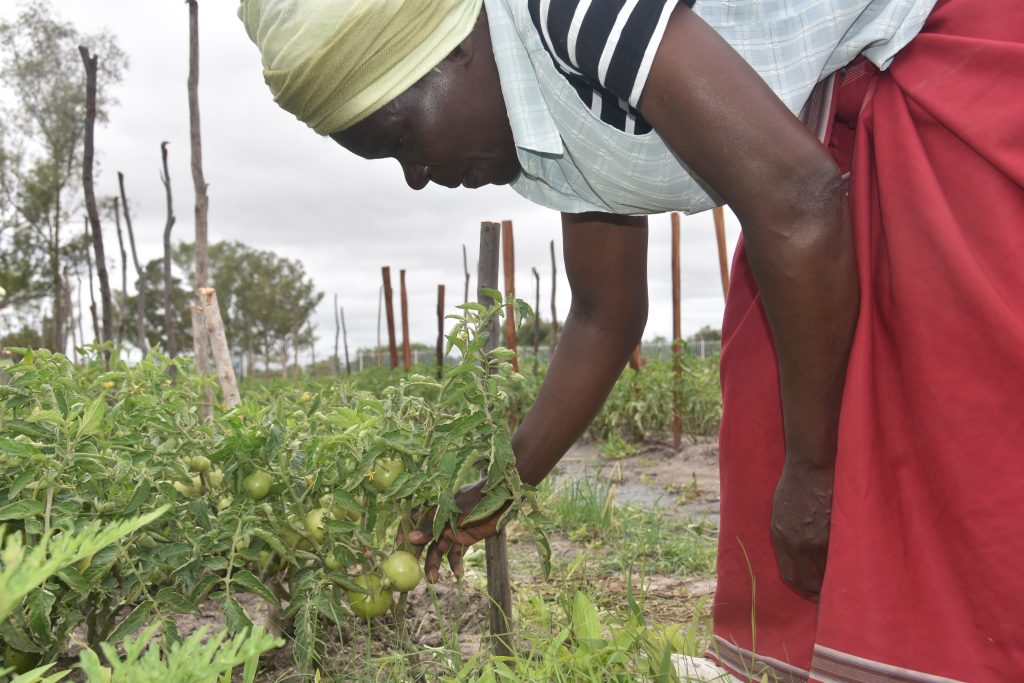
For 58 year old Otilia Ndlovu, the small portion of tomatoes has managed to change her life ever since her husband died.
“I have dedicated all my power to this because I a surviving from it. The garden is surely helping us as old women and we thank WFP for that because in most projects only young people are remembered, forgetting that we also need to be involved.
Addressing gathering attendees at the Word Food Day celebrations, WFP Zimbabwe country director Barbra Clemens said, “Food is more than a commodity, it is life, dignity, and national development. As we celebrate World Food Day, we must recognize that no single institution can end hunger alone. Food security is a shared responsibility that demands governments, development partners, civil society and communities work hand-in-hand. ”