




The United Nations Development Programme (UNDP), working with government ministries and civil society partners, is strengthening access to justice and public services for survivors of gender-based violence (GBV) across rural Zimbabwe through Mobile One Stop Centers and integrity-focused governance initiatives.
The interventions, supported by the INTEGRA Funding Window and the Judith Neilson Foundation, are improving transparency, accountability, and public confidence in state institutions. Communities in remote areas now have improved access to legal, health, and documentation services previously limited by distance and lack of information.
Social workers, legal officers, nurses and registry staff form the frontline teams delivering these services. According to UNDP, their presence has become central to rebuilding trust in public institutions by ensuring fair, dignified, and ethical service delivery.
Roseline Mafukidze, a social scientist working in the outreach programme, said she counsels an average of 20 people during each community session. She highlighted the heavy emotional burden associated with the work, including cases involving severe trauma. Mafukidze said listening and providing reliable support has helped communities regain confidence in government services.
Mobile One Stop Centers are also reshaping GBV reporting patterns. Mungayi Confidence, the Regional Gender Coordinator for Manicaland, said men are increasingly coming forward to report abuse and seek assistance. In one case recorded in Mutoko, a man reported a rape incident and was linked directly with the investigating officer through the MOSC team, enabling the case to progress.
Legal practitioners say the increased flow of cases reflects growing awareness. Elizabeth Vikitara, Regional Public Prosecutor for Mashonaland East, said more women and men are learning their legal rights through male engagement sessions and community dialogues. She noted that her work focuses on ensuring survivors understand legal processes and receive the support needed to pursue justice.
At the community level, organisations such as Pamuhacha are supporting survivors with legal and economic empowerment. Sithembiso Sweswe, a legal officer widely known as the Village Advocate, said survivors often struggle because they lack knowledge of the legal steps to take after abuse. She handles daily referrals from childcare workers and coordinates with partners to ensure urgent cases, particularly those involving children, are addressed.
As Zimbabwe prepares for the 16 Days of Activism Against Gender-Based Violence, Sweswe said economic empowerment remains crucial in reducing vulnerability, noting that financial dependence continues to trap many survivors in abusive environments.
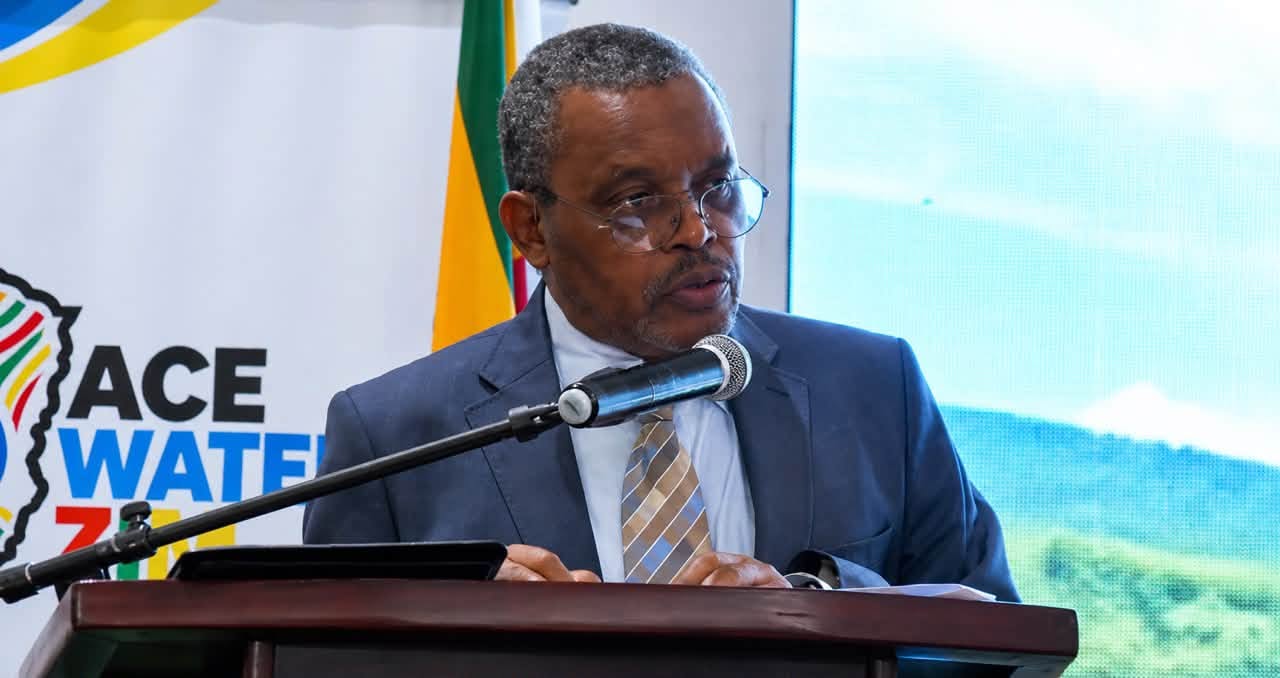
To reinforce ongoing efforts, UNDP recently convened a four-day workshop in Mutare bringing together government ministries, civil society, and community representatives. The workshop focused on strengthening integrity mechanisms within public service delivery and rebuilding trust between citizens and public institutions.
UNDP said the initiatives aim to ensure that people in rural and hard-to-reach communities can access justice and essential services, and that no one is left behind in efforts to improve governance and protect vulnerable groups in Zimbabwe.