






The journey into Mudzi District begins with a road that tests both vehicles and patience. After kilometres of dust, potholes and dry landscapes, the silence of the countryside is broken by a small round signpost standing beside the road.
Written on it are only two words: “Benson Mine.”It is a simple sign, easy to miss, but behind it lies a landscape that tells a much bigger story about Zimbabwe’s mineral wealth and the communities living around it.
The region is dry. The heat hangs over the land, vegetation appears stressed, and only a few people can be seen walking along the dusty roads.
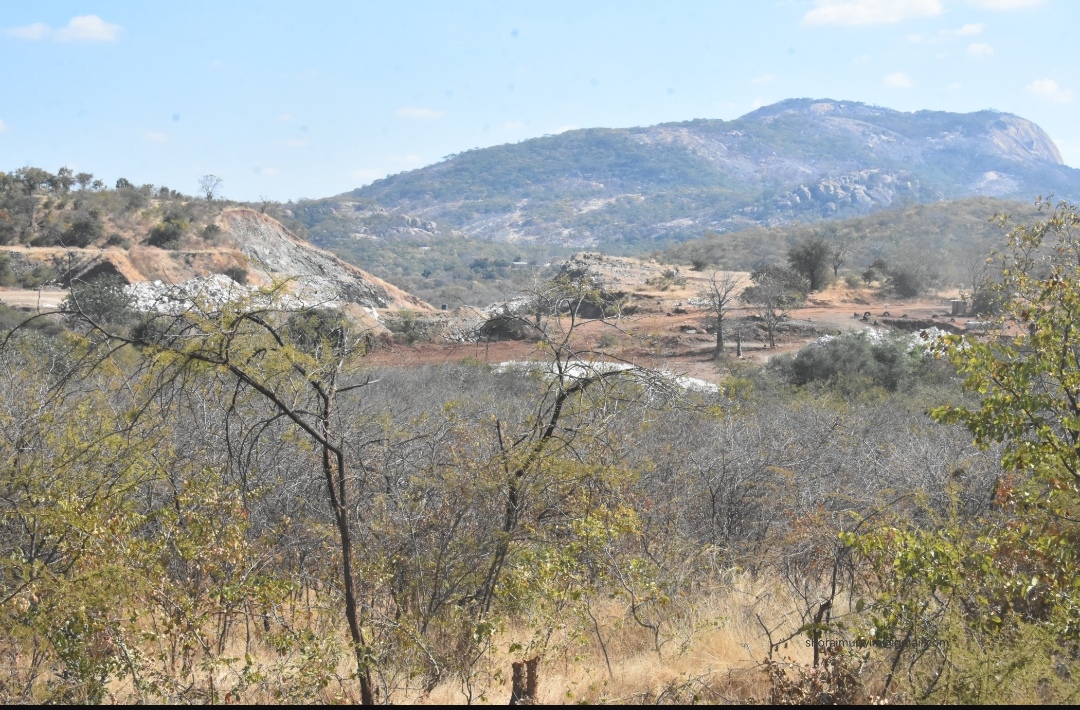
In the distance, the mountains dominate the landscape, but they are no longer untouched. Their surfaces carry the scars of excavation as mining activities continue to reshape the environment.
For generations, these mountains have been part of the identity of local communities. They have provided grazing areas, supported ecosystems and formed part of the natural landscape that villagers have known all their lives.
Today, some of those mountains are being opened up in search of valuable minerals beneath the earth.
The rains are no longer reliable like before. Farming has become difficult because the land is dry. We have to find other ways to survive, ” Tendai Mabuwe, a local farmer said.
Mabuwe said mining is happening around them but communities also need sustainable projects that remain with us. Fish farming is something that can empower local people if it receives support
Mudzi, like many mineral-rich areas in Zimbabwe, sits at the centre of a difficult conversation, how can communities benefit from the country’s mineral resources while protecting the environment that sustains them?
Zimbabwe has some of the continent’s most valuable mineral deposits, including gold, lithium, diamonds and other minerals. Mining remains a major contributor to the economy, creating employment and generating revenue.
However, in many rural mining areas, questions remain about whether the benefits reach ordinary communities.As mining expands, concerns over land degradation, water availability, dust pollution and rehabilitation of mined areas continue to grow.
For villagers living near mining sites, the changes are visible.The once familiar landscape is being transformed by open pits, cleared land and mining infrastructure.
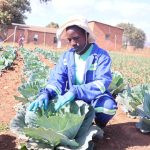
“Because this area is dry, we cannot depend on traditional farming alone. Fish farming is giving us another option. We are trying to adapt to the conditions we are facing.” said Taurai Chimukoko, a fish farmer in Ward 5, Mudzi.
Areas that once supported farming activities or natural vegetation can become disturbed by extraction activities.
Environmental experts have repeatedly warned that mining, when poorly managed, can lead to loss of biodiversity, soil erosion and contamination of water sources.
In dry regions like Mudzi, where communities already struggle with water shortages and unpredictable rainfall patterns, environmental damage can increase existing vulnerabilities.
Farmers are among those affected. Agriculture remains a key livelihood for many rural households, but changing climatic conditions have already made farming more difficult.
Reduced rainfall and prolonged dry spells mean communities depend heavily on the land and natural resources around them.When mining takes over portions of that land, the pressure increases.
A farmer from the area explains that the mountains were once viewed differently.“Before, these places were just part of our home.
We knew these mountains, we used the land around them. Now there are activities happening that we do not always understand,” the farmer says.For women, the impacts can be even greater.
In many rural communities, women are responsible for collecting water, firewood and supporting household food production. When environmental resources become scarce, the burden often falls on them.
Mining companies are expected to follow environmental regulations, including restoring land after mining activities.
Rehabilitation involves restoring mined areas to reduce long-term damage and allow communities to continue using the land.But across Zimbabwe, questions remain about whether rehabilitation is happening fast enough and whether communities are adequately involved in decisions affecting their environment.
Beyond the mine entrance, the bigger question remains, who owns the benefits of the minerals extracted from these mountains?
For some residents, mining has brought opportunities through jobs and business activities. For others, the presence of valuable minerals has not translated into improved roads, reliable services or better living conditions.
The contrast is striking, beneath the ground lies wealth, but above it many communities continue to face daily struggles.As Zimbabwe continues to promote mining investment, Mudzi represents a wider national challenge: balancing economic development with environmental protection and community rights.
The small signpost marked “Benson Mine” is not just a direction to a mining site. It is a symbol of a much larger story, a story about the country’s natural wealth, the people living beside it, and the environmental price of extracting what lies beneath.
Great