




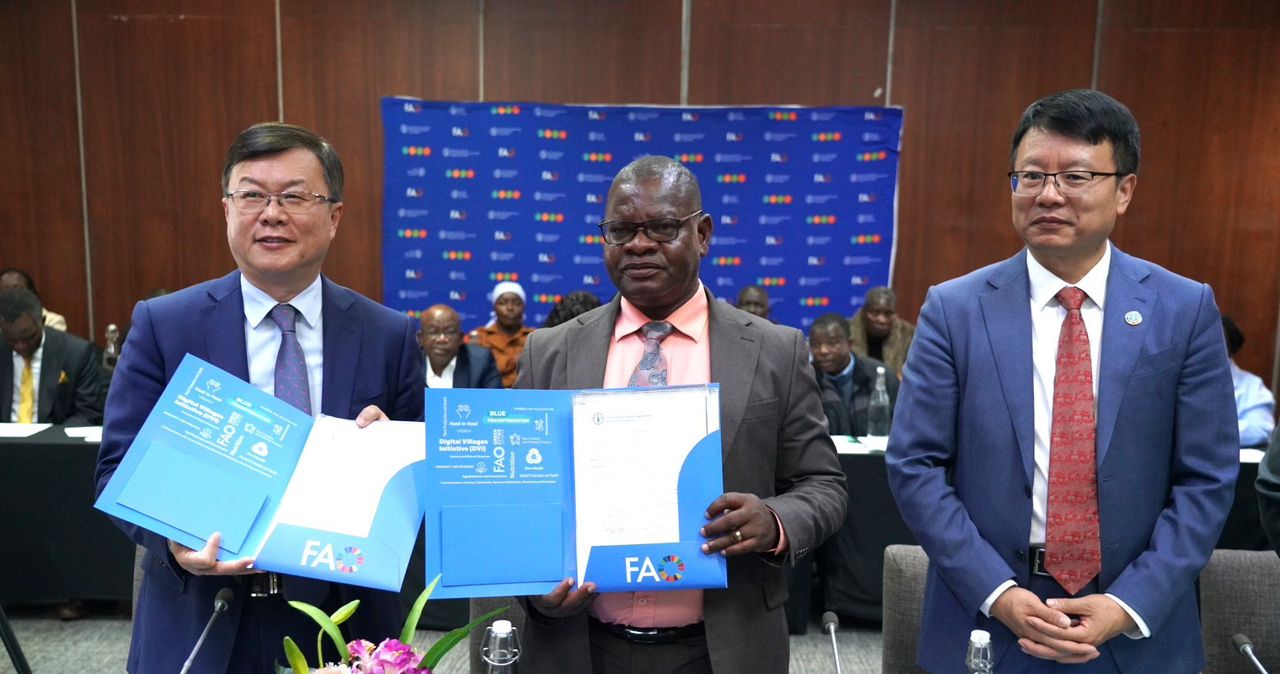
Harare, Zimbabwe – The government has officially launched two transformative projects ‘Capacity Development for Sustainable Soil Management in the Global South’ and the ‘National Water Roadmap Towards Sustainable, Development Goals in Zimbabwe,’ initiatives supported by the FAO-China South-South Triangular Cooperation Programme and were unveiled at Cresta Lodge in Harare on Monday afternoon.
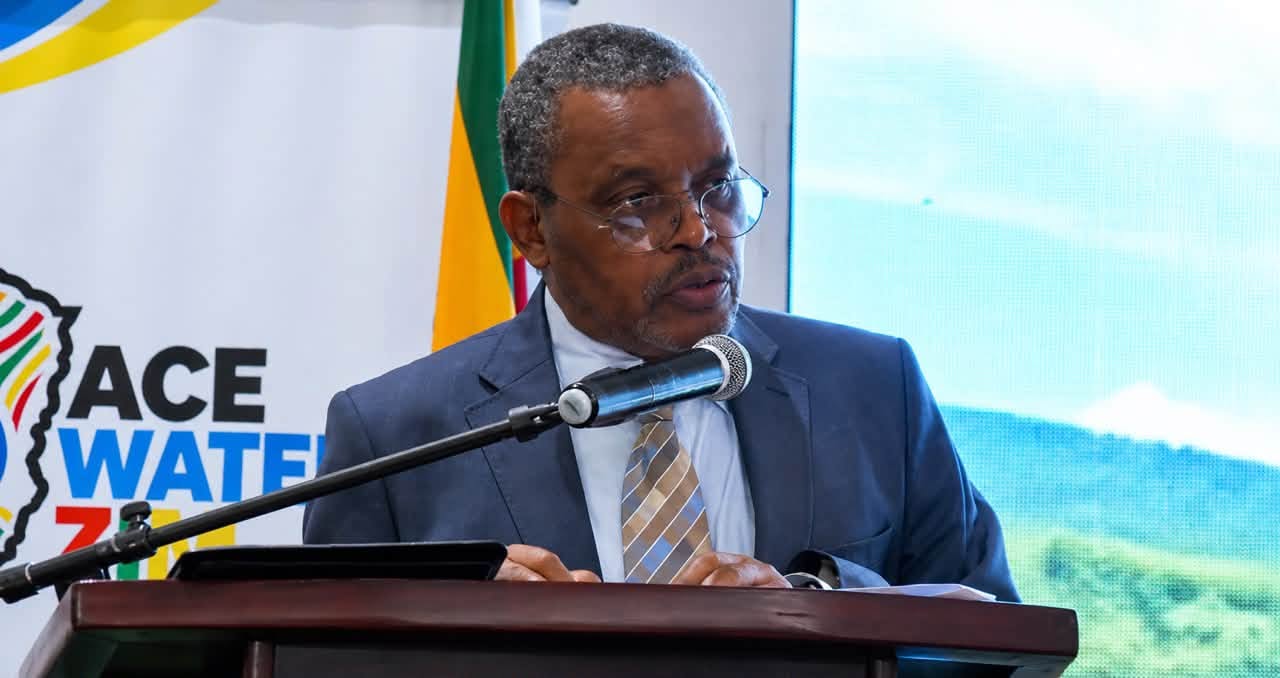
Officiating the launch, on behalf of Minister of Lands, Agriculture, Fisheries, Water and Rural Development, Permanent Secretary Professor Obert Jiri described the projects as strategic building blocks to address the nation’s pressing soil degradation and water insecurity challenges, both worsened by climate change.
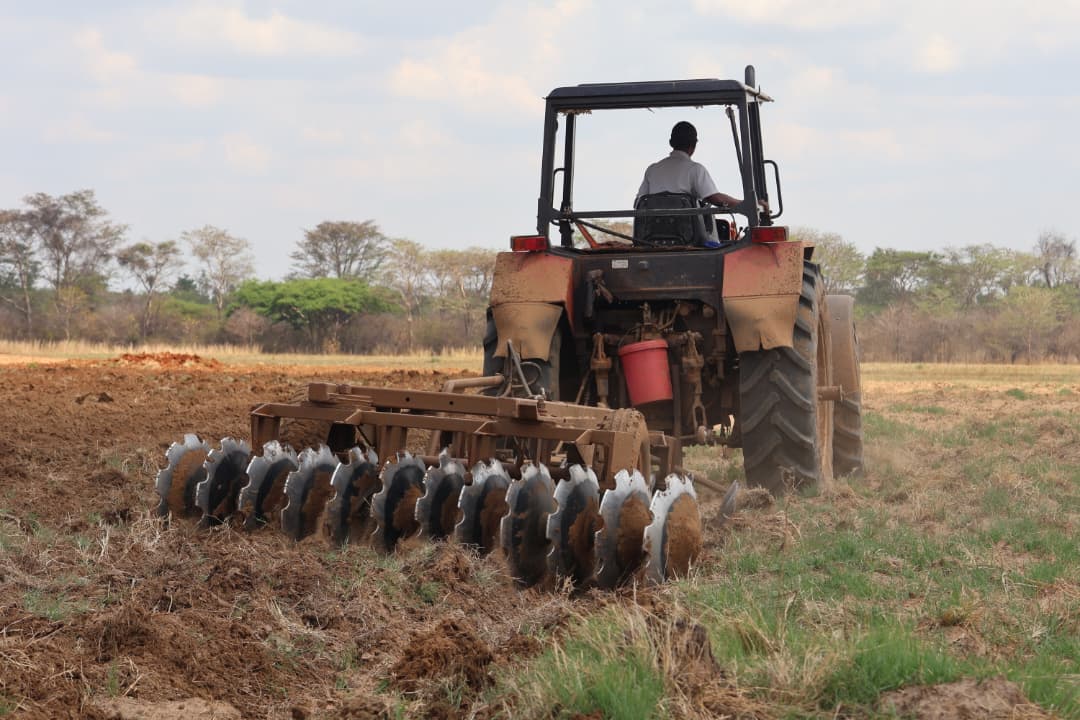
“Today’s event is not merely a launch of the two projects; it is a declaration of our collective resolve,” he said. “It is a tangible step toward fulfilling our constitutional mandate to food security and access to safe, clean, potable water for all Zimbabweans.”Soil Under Threat — But Full of PromiseOver 70% of Zimbabwe’s soil is sandy, derived from granitic rocks.
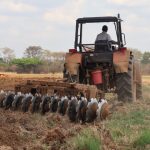
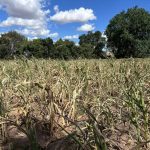
The remaining 30% includes the country’s productive red clay soils — a vital national resource facing increasing pressure due to erosion, waterlogging, and nutrient deficiencies.The soil management programme seeks to enhance Zimbabwe’s capacity in soil mapping, laboratory analysis, and the adoption of best sustainable practices to increase long-term agricultural productivity.
A key intervention under the programme is the upgrading of the National Agricultural Soil Research and Education Centre (NASREC), which was established in 1991 and holds the country’s National Soil Reference Collection.
“Through this technical cooperation, we will strengthen NASREC and build a robust National Soil Information System. This will help guide decisions on fertilizer use, land planning, and ecosystem health, ” said Prof Jiri.
Zimbabwe is also representing fellow Southern African nations, Botswana, Mozambique, Madagascar, and Eswatini — as part of this regional initiative.
While Zimbabwe is considered relatively water-rich, with a total storage potential of 47.3 billion cubic meters, only 22.4% (10.589 billion cubic meters) has been developed, a gap that has exposed the country to climate shocks such as droughts and erratic rainfall.
Aging infrastructure, rising pollution, urban population pressure, and poor irrigation coverage continue to undermine water access and quality.
Lake Chivero, a key water source for Harare, exemplifies this crisis, being heavily polluted by industrial discharge, agricultural runoff, and poorly treated sewage.
In response, the National Water Roadmap Towards 2030 aims to align water resource development with Zimbabwe’s Vision 2030 and the global Sustainable Development Goals (SDGs).
The Roadmap also forms part of the government’s Rural Development 8.0 model, which seeks to end poverty through an agriculture-led, rural-industrial transformation.
“Water is at the centre of everything. We are targeting the delivery of reliable water supply to 35,000 rural communities and 10,000 institutions,” said Prof Jiri while reading minister’s remarks, emphasizing that this will power agricultural productivity, WASH improvements, and rural industrialisation.
From Dams to the Blue EconomyThe government’s current focus includes flagship water infrastructure projects such as the Gwayi-Shangani and Kunzvi Dams, which are expected to unlock what the minister termed a “blue economy” providing potable water, hydro-electricity, climate-smart irrigation, fisheries, and eco-tourism opportunities.
Moreover, the government aims to irrigate at least 350,000 hectares part of a broader strategy to achieve food self-sufficiency and transform Zimbabwe into a net grain exporter.
No country has transitioned from low-income to middle-income without increasing agricultural productivity. Agricultural development will cause rural industrialisation, and that will drive national development,” he asserted.
He also applauded the Food and Agriculture Organization of the United Nations (FAO) and the People’s Republic of China for their continued support through the South-South Triangular Cooperation model.
“The FAO-China partnership demonstrates what effective technical cooperation looks like. It is not just about funding, it’s about mutual learning, local ownership, and long-term resilience,” he said.