
WELTHUNGERHILFE (WHH) is constructing a water pipeline in Mbire District to improve access to safe water for rural communities, schools, health facilities and livestock as the area continues to grapple with persistent water shortages.
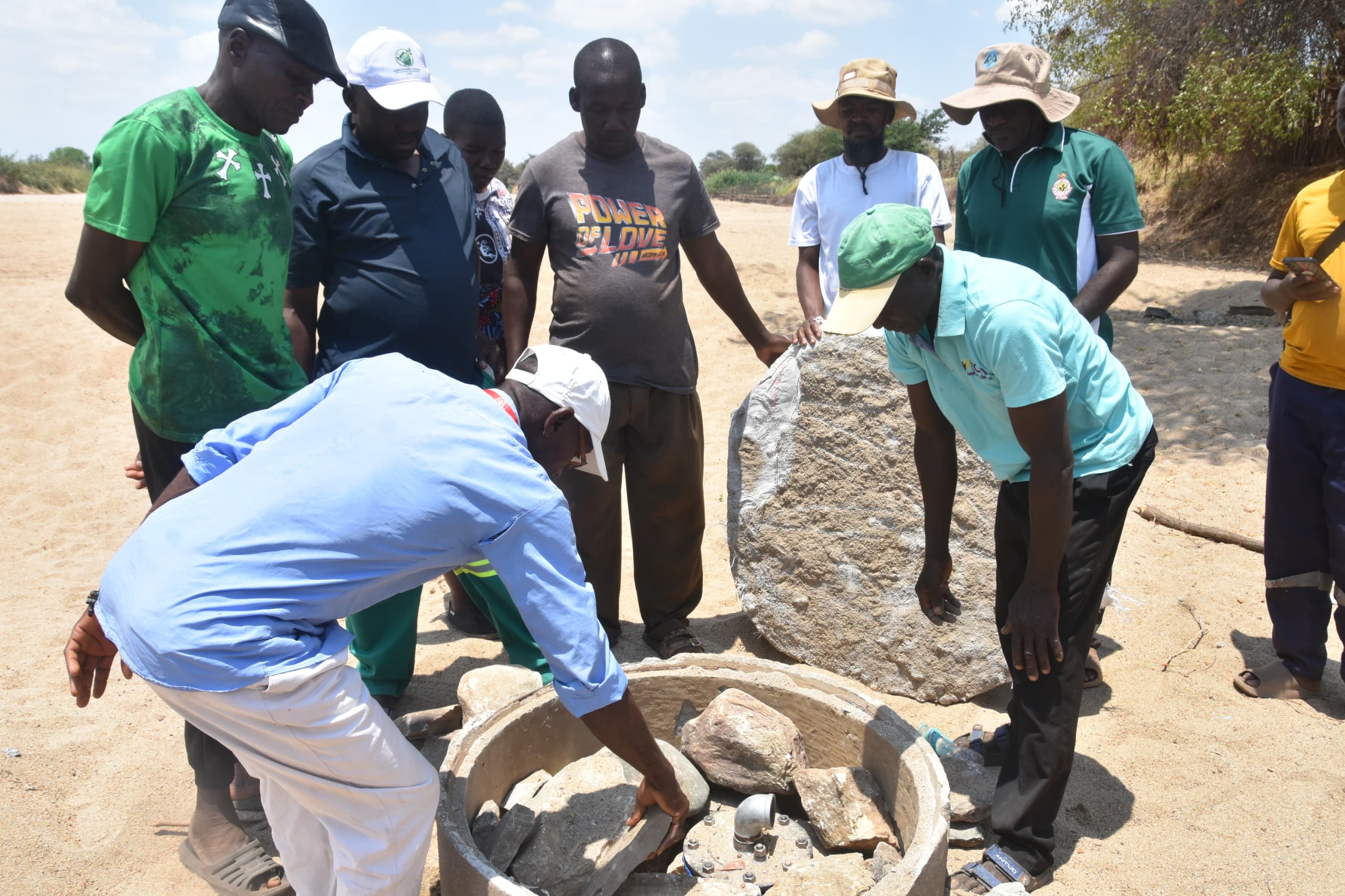
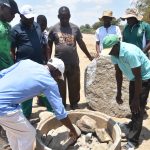
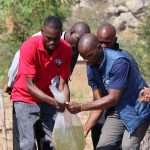
The project, being implemented in Musengezi, Ward 5, involves a sand-abstraction water scheme designed to draw water from beneath sandy riverbeds and distribute it through a piped system to surrounding communities.
“When we know that communities are likely to face water shortages like the El Nino we are facing, we cannot afford to wait until the situation becomes desperate. Anticipatory action allows us to prepare in advance and reduce the suffering that comes with drought. This project is about protecting lives and strengthening the resilience of communities before the crisis hits,” said John Tapedza, WHH field officer.
The infrastructure is expected to serve Musengezi Primary School, a secondary school, a local clinic, two dip tanks and nearby households, providing an alternative source of water in an area where conventional water sources are often unreliable.
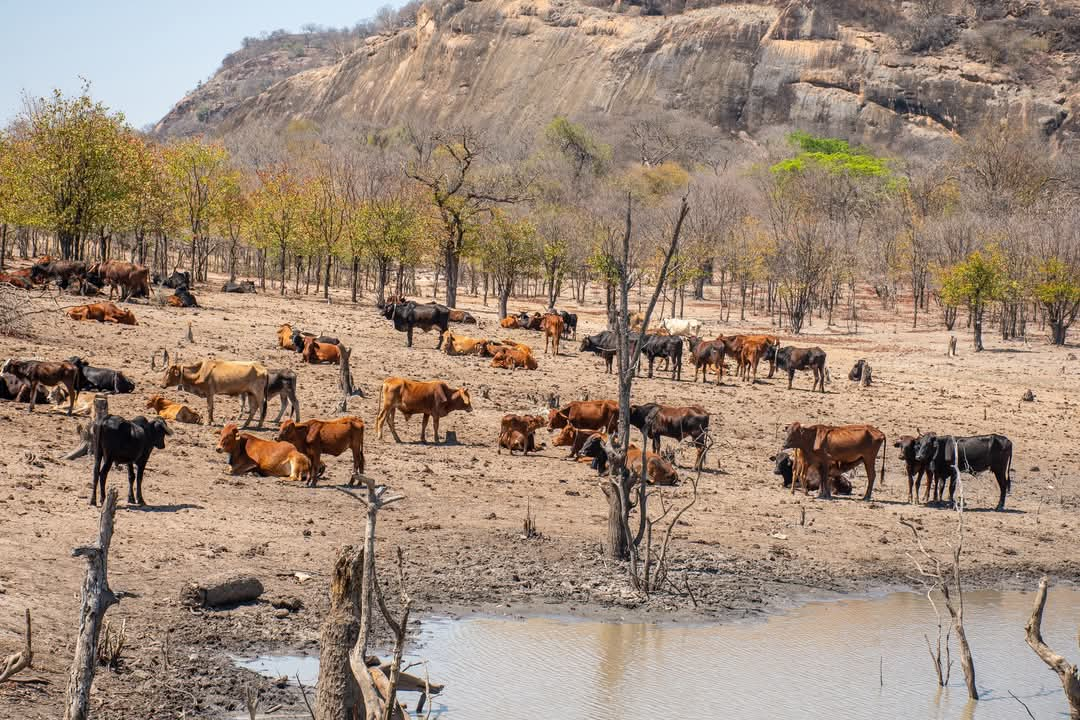
The development comes as communities in Mbire face increasing pressure from prolonged dry spells, high temperatures and unpredictable rainfall, which have affected both domestic water availability and agricultural activities.
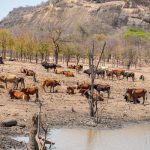
The households dependent on livestock production, water shortages also threaten cattle, which remain an important source of wealth and livelihood security.
The pipeline is part of the WHH Humanitarian Anticipatory Action (WAHAFA) programme, which is supporting vulnerable communities in Mbire, Mt Darwin and Rushinga ahead of anticipated climate-related shocks.
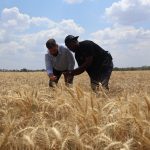
The programme combines water security and agricultural interventions to reduce the potential impact of drought on vulnerable households.
Beyond improving access to water, the infrastructure is expected to support livestock management through the supply of water to two dip tanks, facilities that are important for controlling livestock diseases.
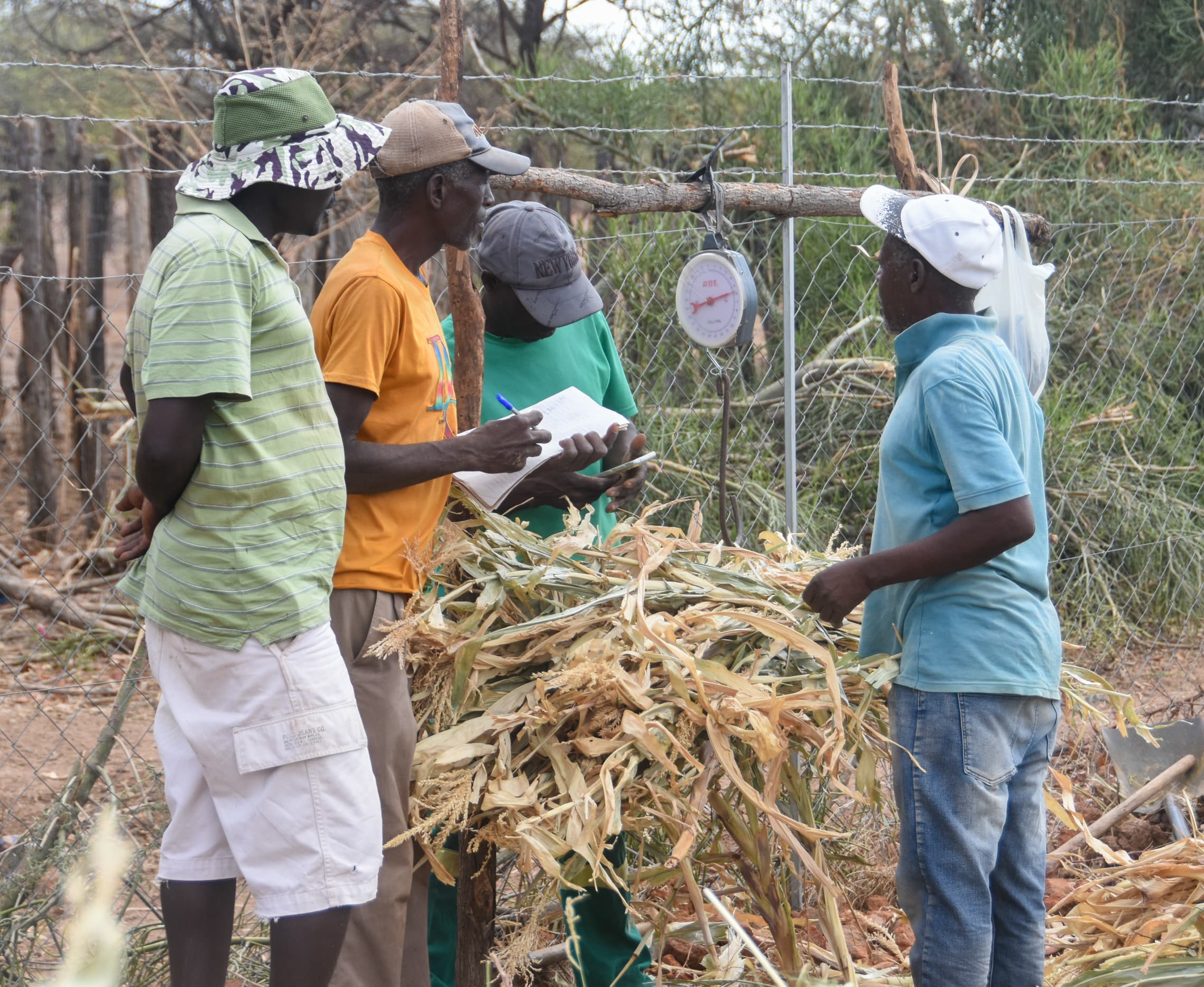
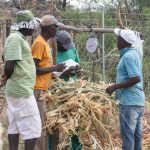
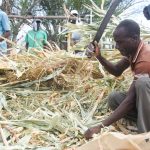
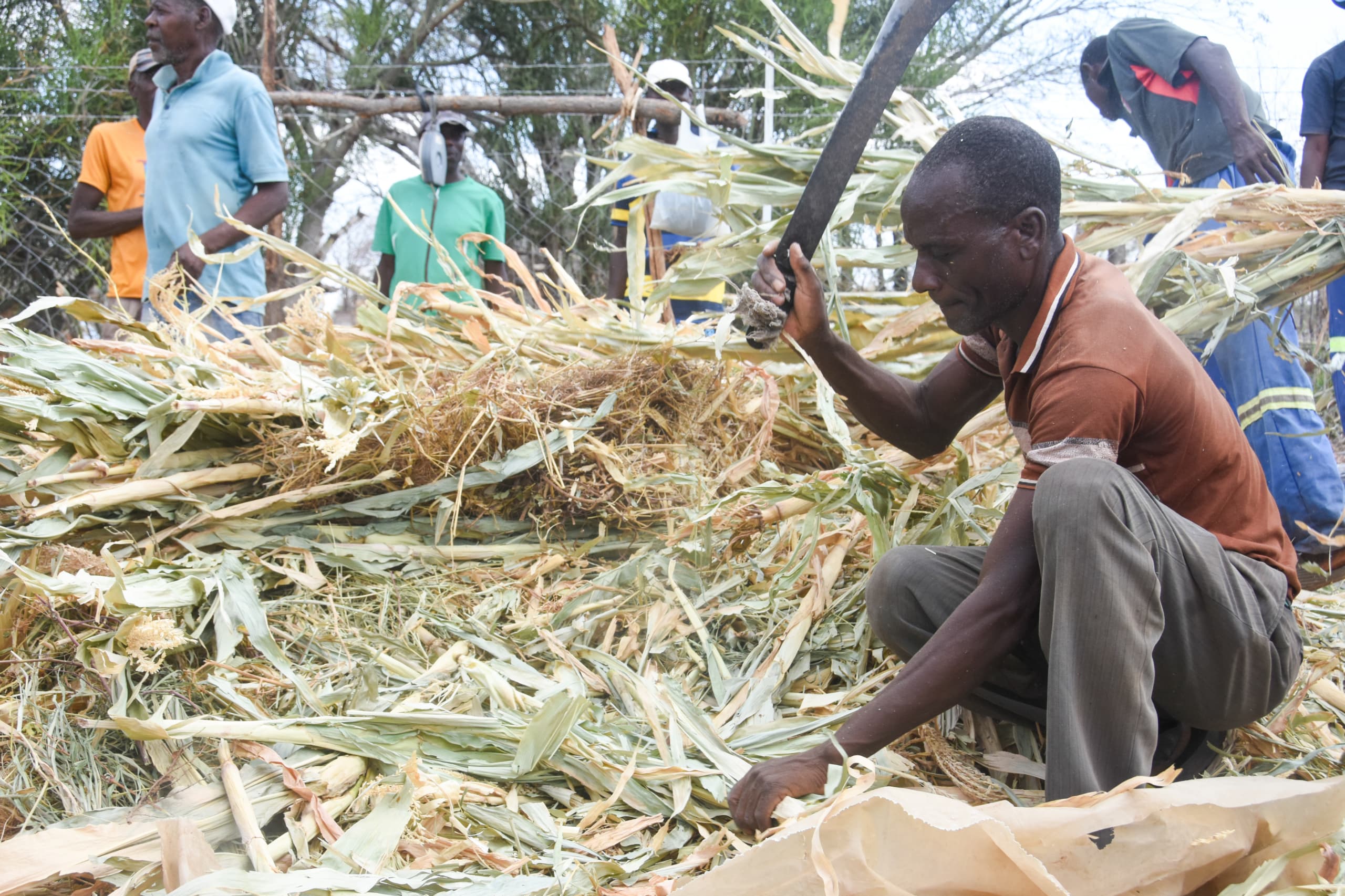
56-year-old Albert Chidyambwizhu of Chidodo Village, said the importance of preparing livestock feed ahead of the anticipated drought is informed by the losses he suffered during previous dry seasons.
Chidyambwizhu lost seven cattle to hunger and now has 10 remaining, which he hopes to protect through early preparation.
“I lost seven beasts to hunger. It was a painful experience because cattle are not just animals to us. They represent our wealth, our hard work, our security and our ability to provide for our families,” he said.
With another potentially difficult agricultural season approaching, Chidyambwizhu said he was determined to avoid repeating the experience.
“This time, we want to do things differently. Last year, drought took seven of my cattle. This year, I am preparing early because I do not want hunger to take the rest,” he said.
The project also incorporates community participation in water governance, with women expected to occupy at least four positions on each seven-member water point committee.