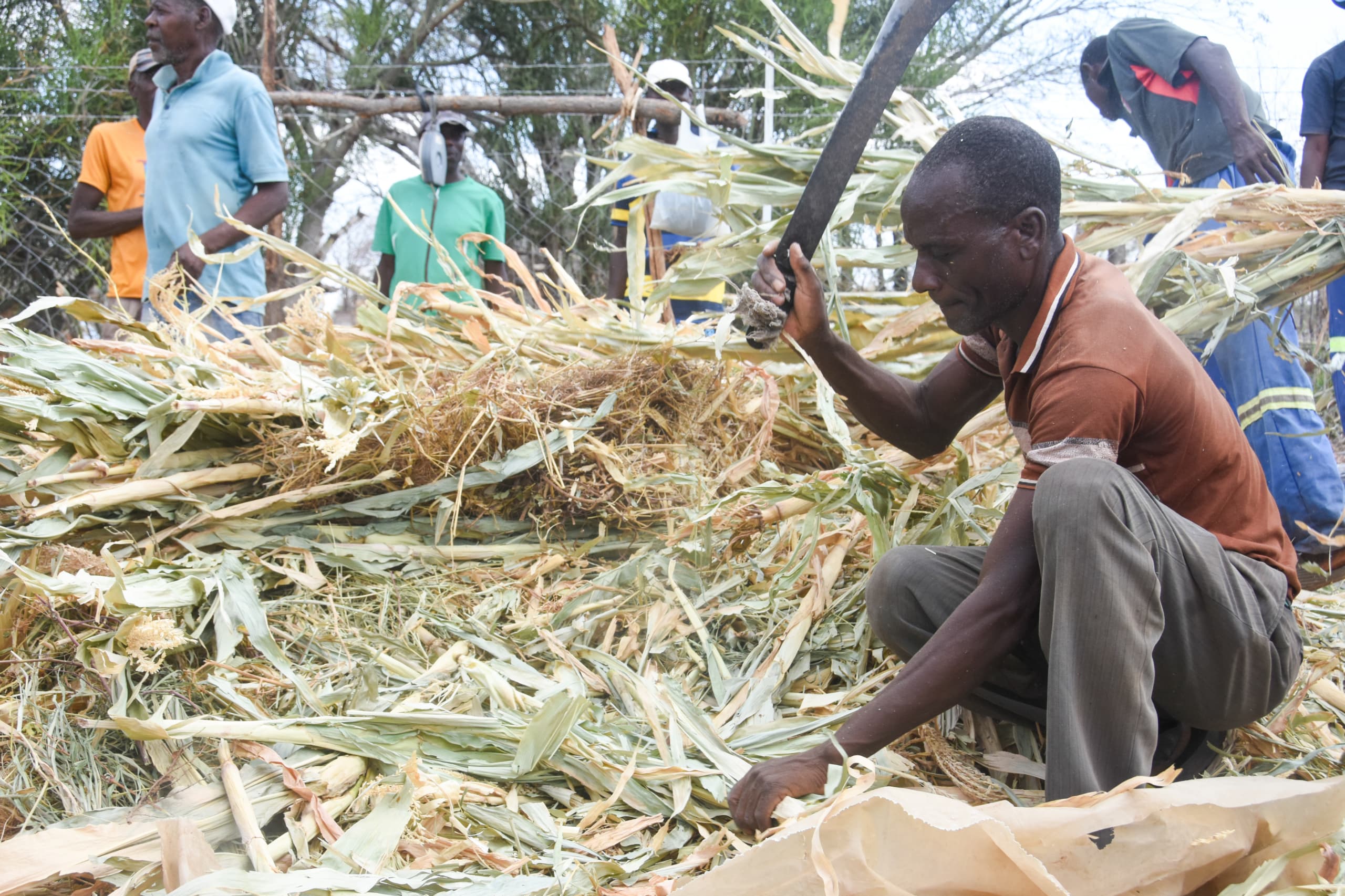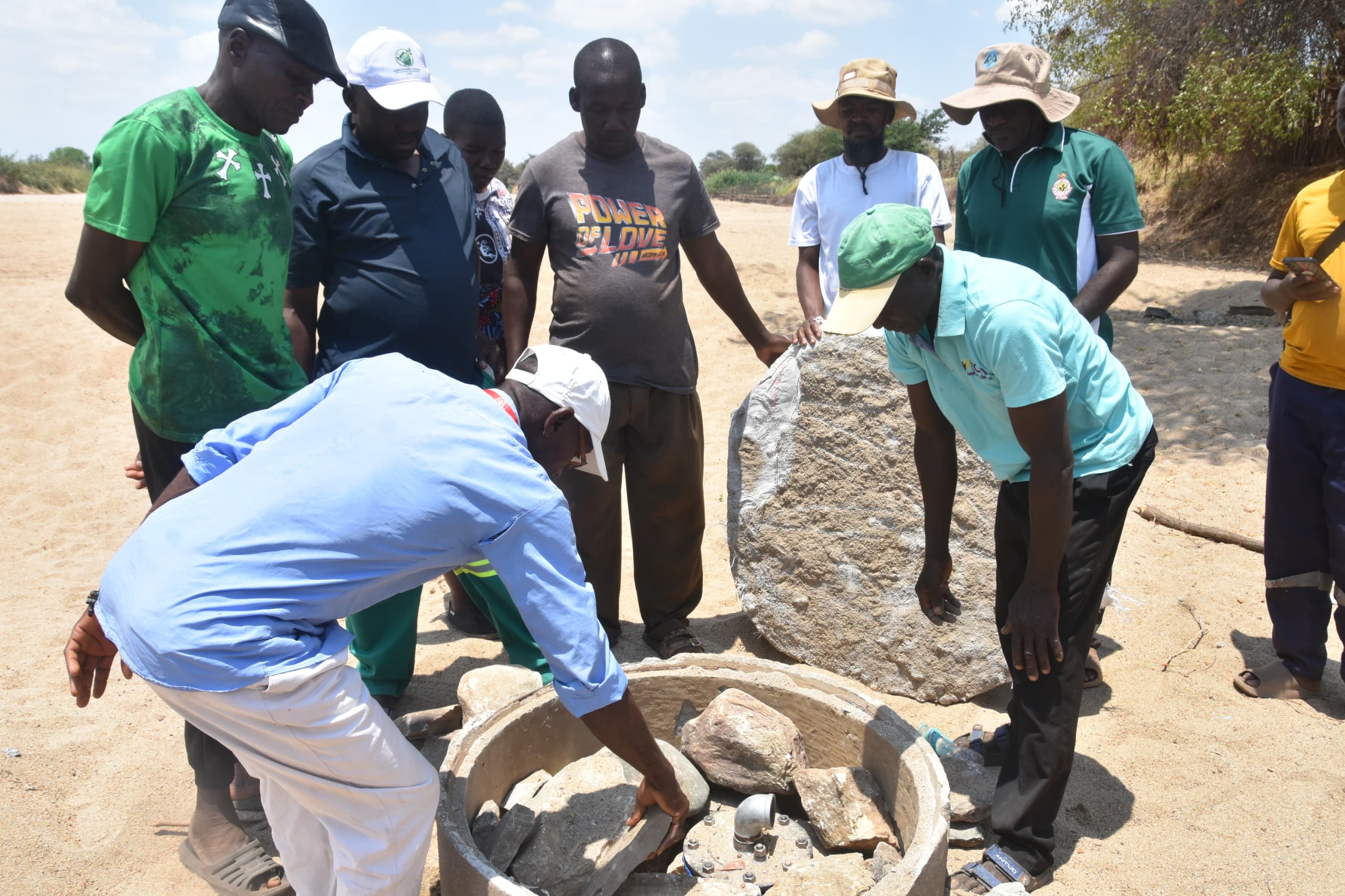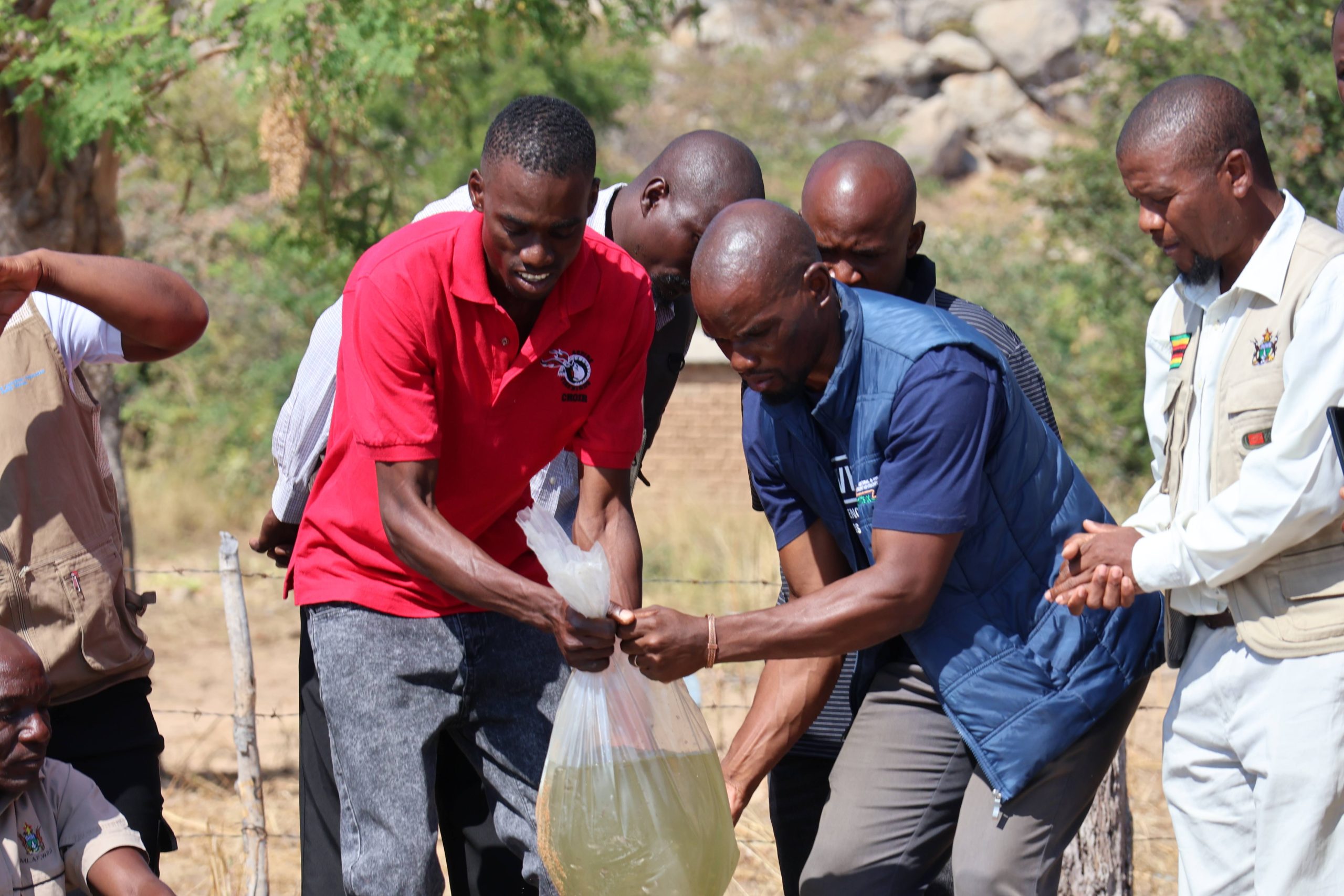
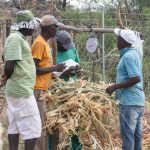

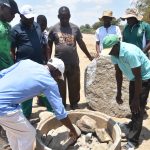
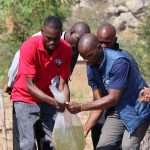



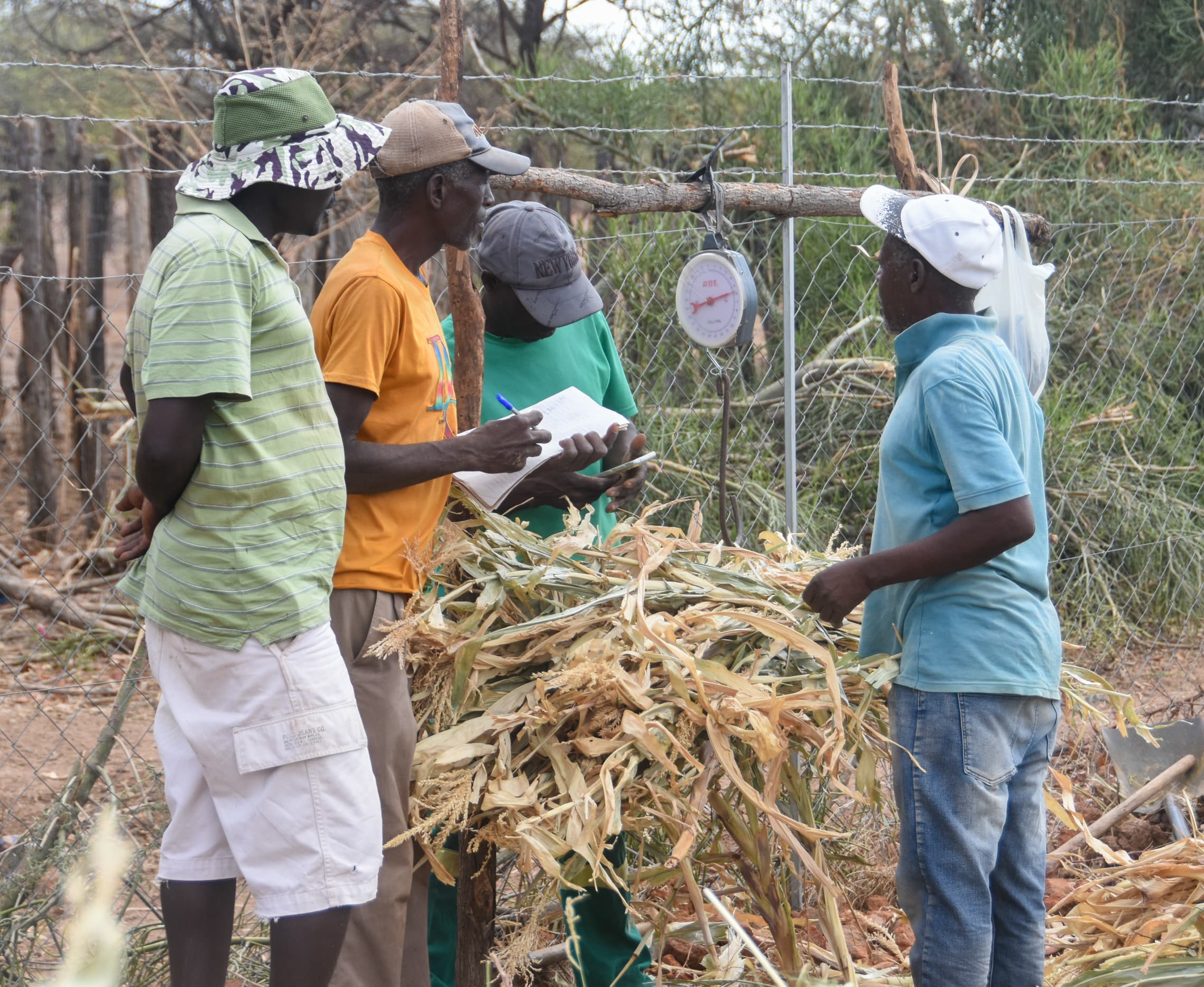
FARMERS in Mbire District are being trained to convert crop residues into supplementary livestock feed as part of efforts to protect cattle from anticipated feed shortages during the 2026/27 agricultural season.
The intervention, being implemented under the WHH Humanitarian Anticipatory Action (WAHAFA) programme, is targeting the preparation of approximately 90 tonnes of urea-treated stover in the district.
The initiative seeks to improve the nutritional value of crop residues, including maize, sorghum, groundnuts and pearl millet stalks, which can be used to supplement livestock diets when natural grazing becomes scarce.
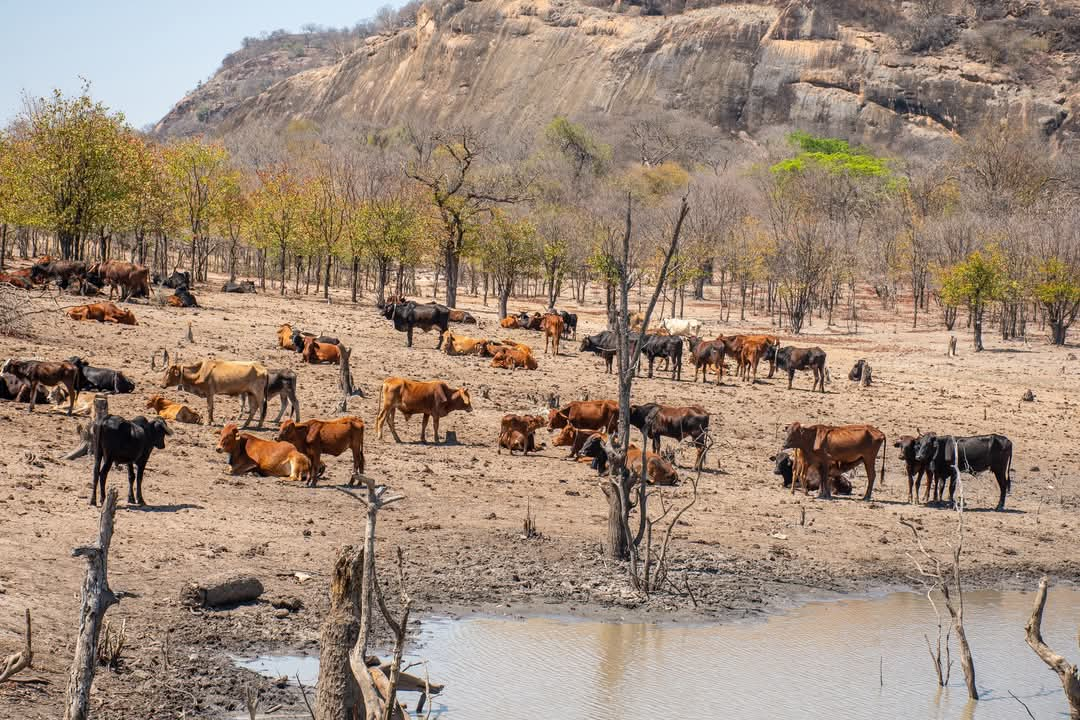
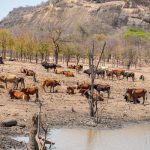
Mbire, in Mashonaland Central, is characterised by low and unreliable rainfall, making livestock production vulnerable to prolonged dry spells and deteriorating pasture conditions.
For many households, cattle are an important source of wealth, income and draught power. However, recurrent droughts have exposed livestock to feed shortages, resulting in animal losses and reduced productivity.
According to Mbire Agricultural Business Advisory Officer Edith Dutiro, farmers are being encouraged to adopt the feeding practice ahead of the anticipated drought.
“We encourage farmers in Mbire to prepare this feed, especially this year as we are facing drought,” Dutiro said, in comments published by a local paper.
Urea treatment is an agricultural technique used to improve the nutritional quality of low-quality crop residues.
The process increases their nitrogen content and helps make fibrous materials more digestible for livestock.
In an April 2025 report published by CITE, animal science specialist Nqobani Manyabi explained that untreated maize stover has low protein content and high fibre, limiting its nutritional value.
“Treating the stover with urea increases its nitrogen content, improves palatability and makes it easier for livestock to digest,” Manyabi said.
The approach has previously been used in Mbire under earlier drought preparedness interventions supported by Welthungerhilfe and Farm Community Trust of Zimbabwe.
In a 2024 WHH case study documenting the intervention, district livestock officer Nel Madoda explained how supplementary feeding was helping farmers maintain their animals during periods of limited pasture availability.
The earlier intervention also demonstrated the potential benefits for farmers who traditionally relied on natural grazing and locally available feed resources.
One of the participating farmers, Tongai Makina, who owned nine cattle, described how the supplementary feed was changing his daily livestock management.
“With this new feed I don’t have to walk so far looking for food,” Makina said in the WHH case study.
The current intervention comes as Zimbabwe faces another potentially difficult agricultural season.
The Meteorological Services Department has forecast predominantly below-normal rainfall across the country during October-December 2026, with further rainfall challenges anticipated during January-March 2027.
The strengthening El Niño phenomenon has heightened concerns about pasture availability, water shortages and livestock survival, particularly in drought-prone districts.
Through WAHAFA, WHH is seeking to encourage farmers to prepare before the anticipated impacts become severe rather than waiting until livestock begin losing body condition.