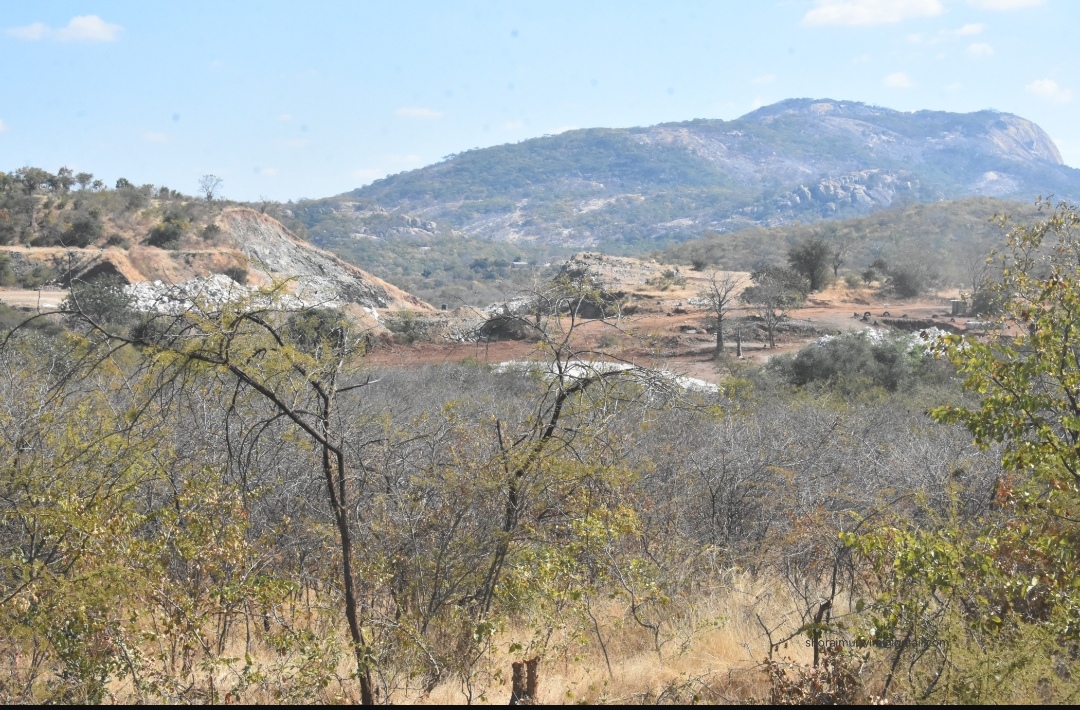





In dry, dust-blown villages of Mberengwa, pregnancy has become a season of quiet fear for many women.

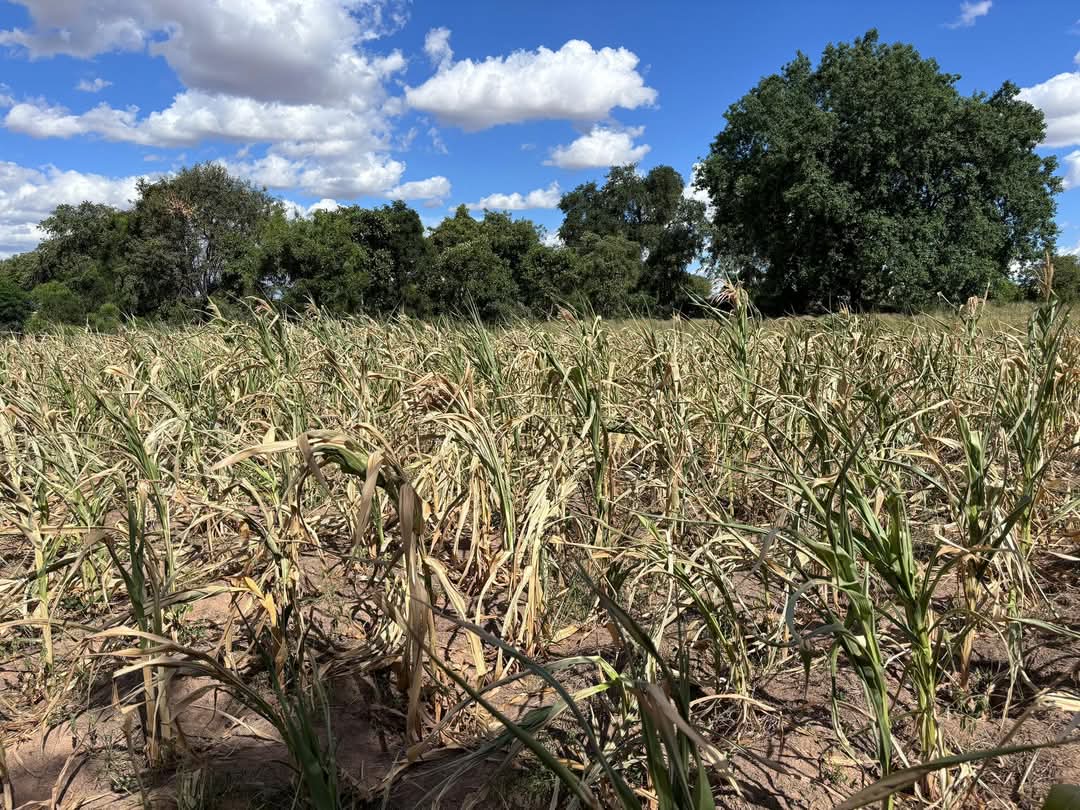
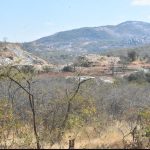
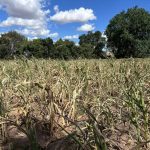
As climate change tightens its grip on southern Zimbabwe, failed rains and prolonged droughts have emptied granaries, shrunk meals, and pushed households into survival mode.
For expecting mothers, hunger is not just personal, but it threatens the life growing inside them.
“I worry every day about what I eat,” says Memory Chikuredzwa, a 27-year-old pregnant mother from one of Mberengwa food-insecure wards. “If I don’t eat well, my baby will also suffer.”
Her fear is well-founded. In rural, drought-hit communities, food shortages often translate into maternal undernutrition, increasing the risk of complications during pregnancy, low birth weight, and weakened immunity in newborns.

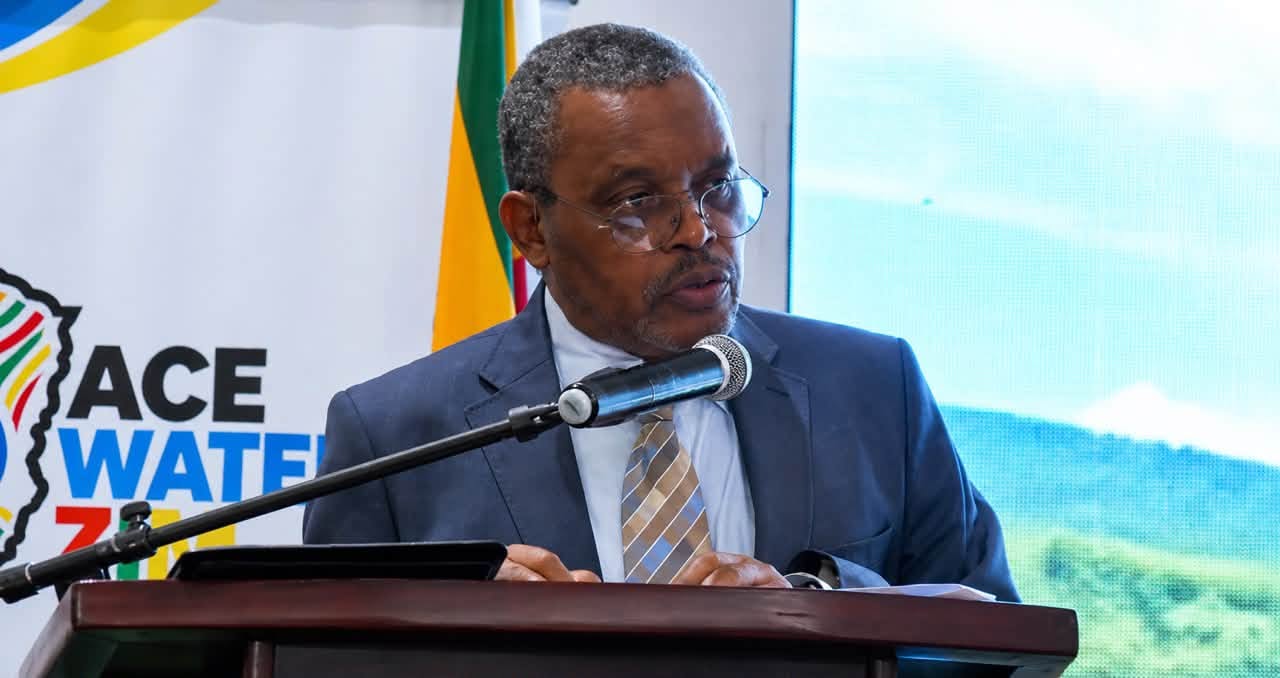
In an interview during the food distribution, WFP deputy country director Billiy Mwiinga said, “It is important to consider the need of lactating mothers and pregnant women when addressing lean season.
“Our food basket has among other things pulse essentially included, because we want to address the needs of vulnerable women and children and that’s what the LSA is addressing, ” he said.
For babies and young children, hunger in the earliest stages of life can leave lifelong scars from stunting to impaired cognitive development.
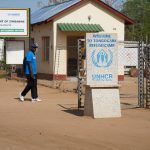
But in Mberengwa, a lifeline has arrived. Through lean season assistance supported by the Government of Japan and implemented by the World Food Programme (WFP) in partnership with government and World Vision, thousands of households in Mberengwa are receiving food aid at a time when need is greatest.
While the programme targets entire households, its impact on pregnant women and young children is especially critical.
Each distribution includes staple foods such as cereals, pulses and cooking oil, commodities that form the backbone of a balanced diet in rural Zimbabwe.
For expecting mothers, this support means fewer skipped meals and improved access to essential nutrients during pregnancy.
Previous Shava said the aid is not just a relief, but a life saver.
“I had also cut breastfeeding times for my eight month old child, because milk was running dry from my breast due to lack of enough meals,” she said.
“When food runs out at home, women are often the first to eat less,” explains Vongai Mupunga a local health worker from Zvomukonde clinic. “This assistance helps protect pregnant women from that risk.”
In Mberengwa, where most families rely on rain-fed farming, climate shocks have made this window increasingly fragile. Poor harvests mean fewer meals, less dietary diversity, and rising vulnerability among children under five.
Food aid during the lean season acts as a preventive measure, helping families maintain regular meals and reducing the likelihood that children slip into acute malnutrition.
“For young children, even a short period without enough food can be dangerous,” says another community health volunteer, an environmental and health technician, Vongai Magura.
For many pregnant women, the stress of not knowing where the next meal will come from compounds the physical strain of pregnancy.
The assurance of food distributions allows them to focus on antenatal care, rest, and preparing for childbirth instead of daily survival.
In Mberengwa, rising temperatures and erratic rainfall have reduced crop yields, leaving families dependent on aid during the harshest months.
Without intervention, prolonged food insecurity can lead to wasting and stunting, conditions that weaken immunity and increase the risk of disease.
The situation in Mberengwa reflects a broader reality across rural Zimbabwe, climate change is deepening existing inequalities, and women and children bear the heaviest burden.
When drought strikes, women are often responsible for stretching limited food supplies, caring for sick children, and walking long distances to search for food or water all while pregnant or breastfeeding.