



For years, women in parts of Mashonaland Central particularly in Mt Darwin and Rushinga lived a life dictated by water scarcity.
As early as 3 a.m., long before the first cock crowed, women would leave their beds in darkness, balancing buckets and babies on their backs, to walk up to 15 kilometers in search of water.
In many households, the struggle for water silently tore families apart. Husbands complained of neglect intimacy and family bonding became rare luxuries.
For women, exhaustion replaced affection. “We would spend the entire night waiting in long queues at the borehole,” said one woman from Chimukoto village in Rushinga. “By the time we got home, the men were already angry or asleep. There was no time for anything else.”
The social toll of the water crisis was as heavy as the buckets women carried on their heads. Some marriages broke down; others endured constant tension.
In Mt Darwin, community members openly spoke about how relationships had been strained to breaking point.
Village head in Gomo area, Mukumbura, Mt Darwin Nelson Chimweta openly spoke how had been strained to breaking point before Welt Hunger Hlife (WHH) cam in to the rescue.
“Families were being destroyed. Men wanted to be with their wives, but the women had to wake up around 3 a.m. to fetch water. By the time they returned, they were too tired.” he said adding that as a headman these became daily stories to be settled at his village court.
He said that WHH interventions are changing things, a humanitarian organization working to strengthen climate resilience and community well-being.
WHH, in partnership with local authorities, has been drilling boreholes and installing piped water schemes across the province, allowing every household in targeted communities to access clean water within their reach.
WHH Mashonaland Central Field Manager, Tamuka Betse, said the initiative was driven by the need to restore dignity and balance in rural communities.
“We had noticed the water challenges faced by communities here in Rushinga and how they were affecting villagers’ livelihoods,” he said.
“We worked closely with them to find sustainable solutions, allowing the community to take the lead in deciding how they wanted to be assisted. This participatory approach resulted in the establishment of piped water schemes that now provide clean water to households.”
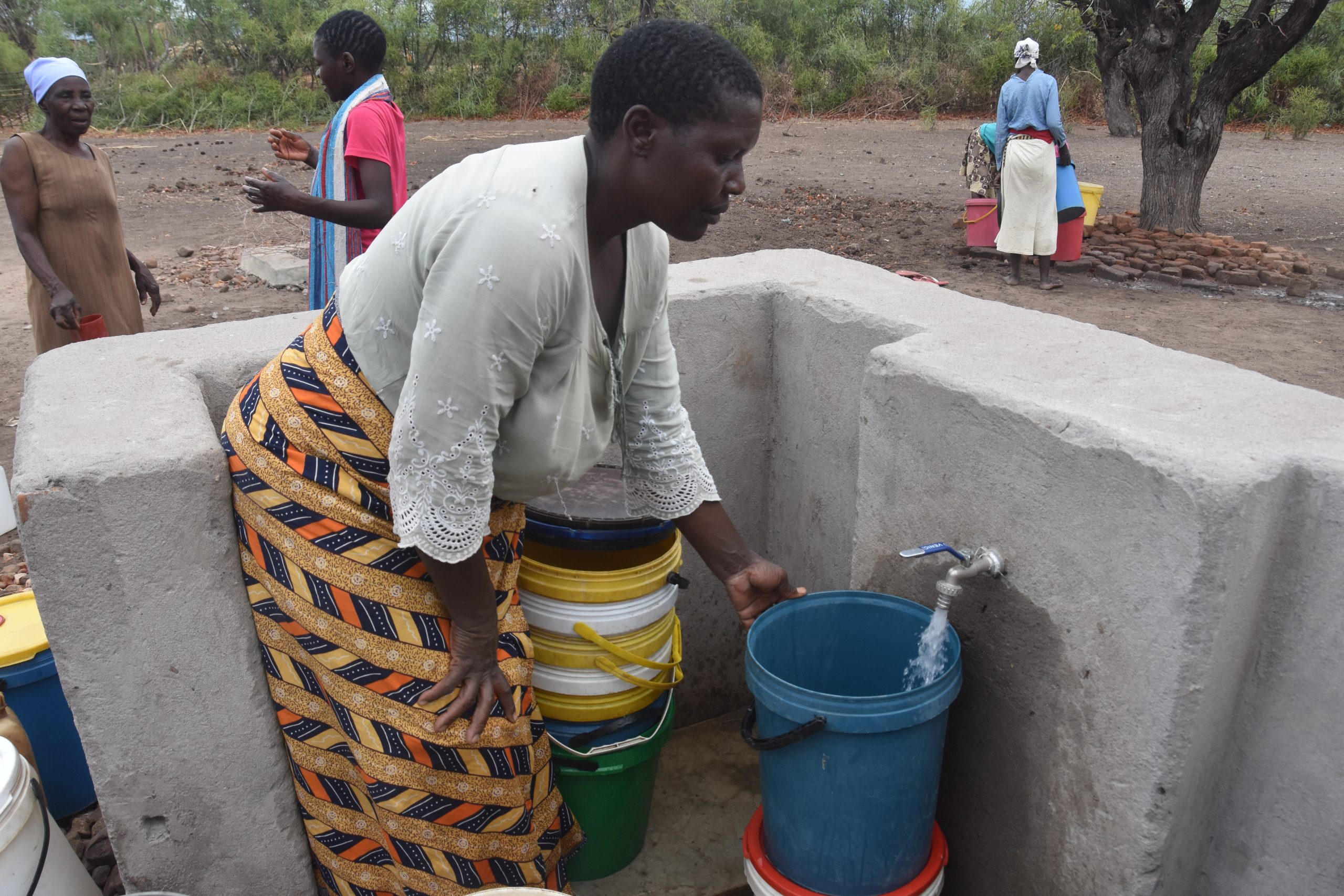
The difference is visible and deeply felt. With water now flowing closer to home, women have reclaimed their nights and their energy. Instead of walking long distances in the dark, they can now fetch water at any hour of the day, spend more time with their families, and participate in income generating activities.
In Rushinga, women say the population has even begun to stabilize again. “There was a time we joked that there would be no more children in this area,” said said Zvisinei Chigwete. “We were too tired for intimacy. But now, the boreholes have not only brought us water they have brought back love and laughter in our homes.”
The piped schemes have also improved hygiene, reduced cases of waterborne diseases, and strengthened women’s roles in community development.
With water readily available, many have started small gardens to grow vegetables and small grains. These projects are helping families diversify their diets, improve nutrition, and earn extra income.
As the midday sun scorches the dry Rushinga plains, a group of women gathers around a communal tap, filling buckets with clear, cold water. Laughter fills the air as they recall the days of sleepless nights and endless queues.
“Now we can sleep peacefully,” one of them, Tarisai Chirodza says, “and our husbands are happier too.”
According to Nyasha Kudenga, a wash officer with WHH, “This source yields about 2 liters per second, providing roughly 7,000 to 8,000 liters per hour. “