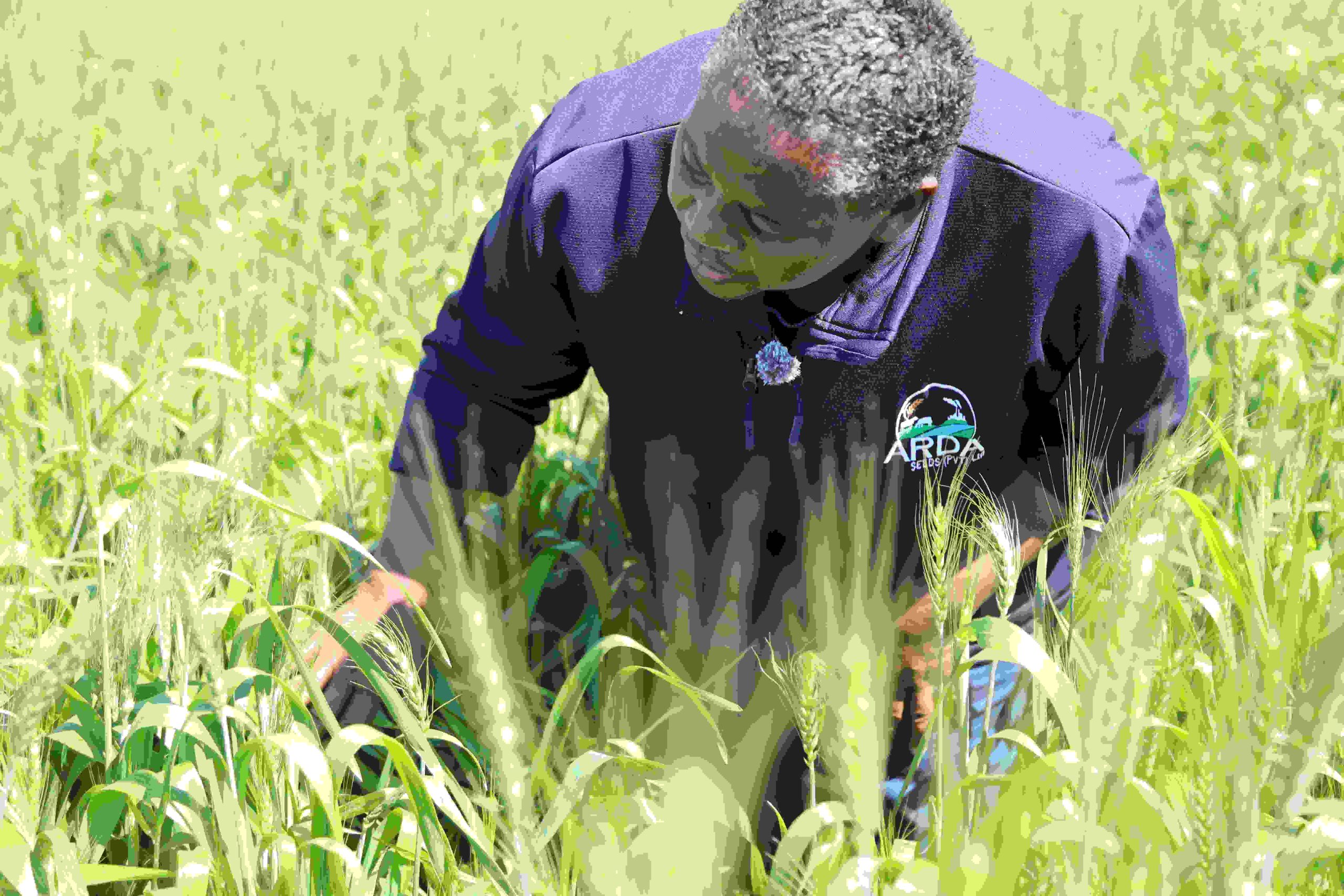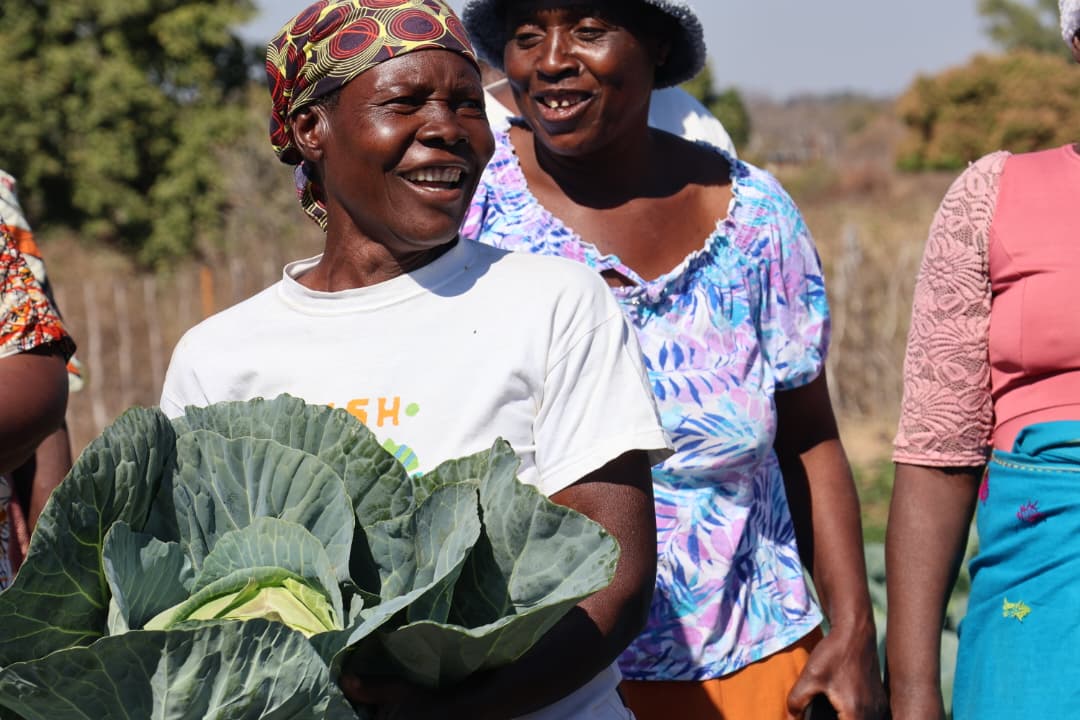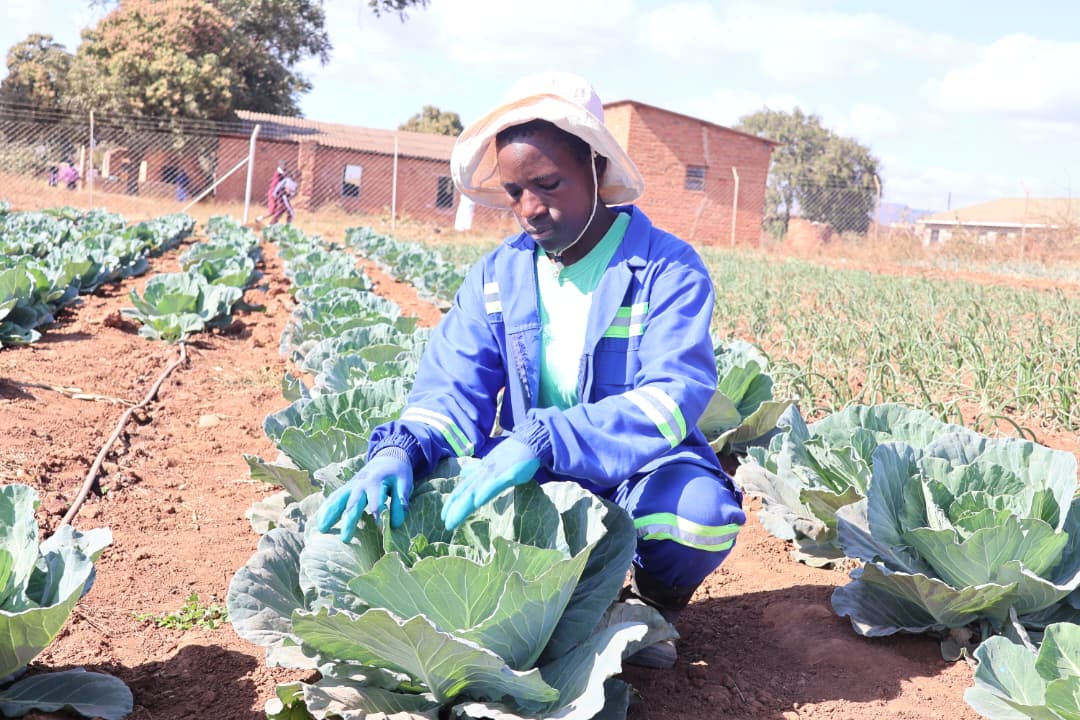








As Zimbabwe continues to grapple with erratic rainfall and prolonged dry spells, farmers are turning to climate-smart innovations that reduce reliance on rain-fed agriculture while guaranteeing production.
Permanent Secretary in the Ministry of Lands, Agriculture, Fisheries, Water and Rural Development, Professor Obert Jiri, says Smart Pfumvudza is designed to supplement rainfall and protect farmers from the uncertainties of climate change.
“It is meant to supplement rainfall. We have improved from Pfumvudza by integrating water conservation, ensuring that farmers escape the vagaries of the weather.
“Smart Pfumvudza guarantees production because it conserves moisture and supplements rainwater, especially when it is in short supply which is always the case,” said Prof Jiri.
He made the remarks during a tour of Kent Farm, owned by Berren Stockhill where he witnessed a small but durable lateral pivot irrigation system being used to sustain crops amid increasingly unpredictable rains.
speaking to the media during the tour, Stockhill said that all this is an innovation to help small scale farmers achieve a bumper harvest amid climate shocks.
“All this work at this farm is done to show other small scale farmers it is possible to have a good harvest and to supplement the rains amid climate change,” he said adding that the work at the farm is done is done manually so that other villagers can learn.
The pivot has a watering length of 30 metres, powered by a minimum 2.5-horsepower motor capable of pumping 5,000 litres of water per hour to a 60-metre head.
The system can be powered by either solar energy or ZESA, making it accessible to farmers in both on-grid and off-grid areas.
Developed through on-farm research by Stockhill in Marondera, the innovation demonstrates how locally driven solutions can strengthen national agricultural programmes.
The pivot can irrigate up to three hectares over a six-day cycle, offering a practical option for small to medium-scale farmers facing water stress.
The integration of such irrigation systems into Smart Pfumvudza marks a critical shift from total dependence on rainfall toward hybrid farming systems that combine moisture conservation and controlled irrigation.
As climate shocks intensify across the region, farmers who had visited the farmed on the tour day said, “innovations like these could play a key role in safeguarding food security, improving yields, and building resilience among Zimbabwe’s farmers.”