








The narrow streets on the eastern edge of Harare are unusually clean. There are no plastic bottles littering the ground, no piles of waste clogging drainage channels, no overflowing bins. Children walk freely between houses. Women move with sacks of sorted plastic. The absence of waste tells a story long before anyone speaks.
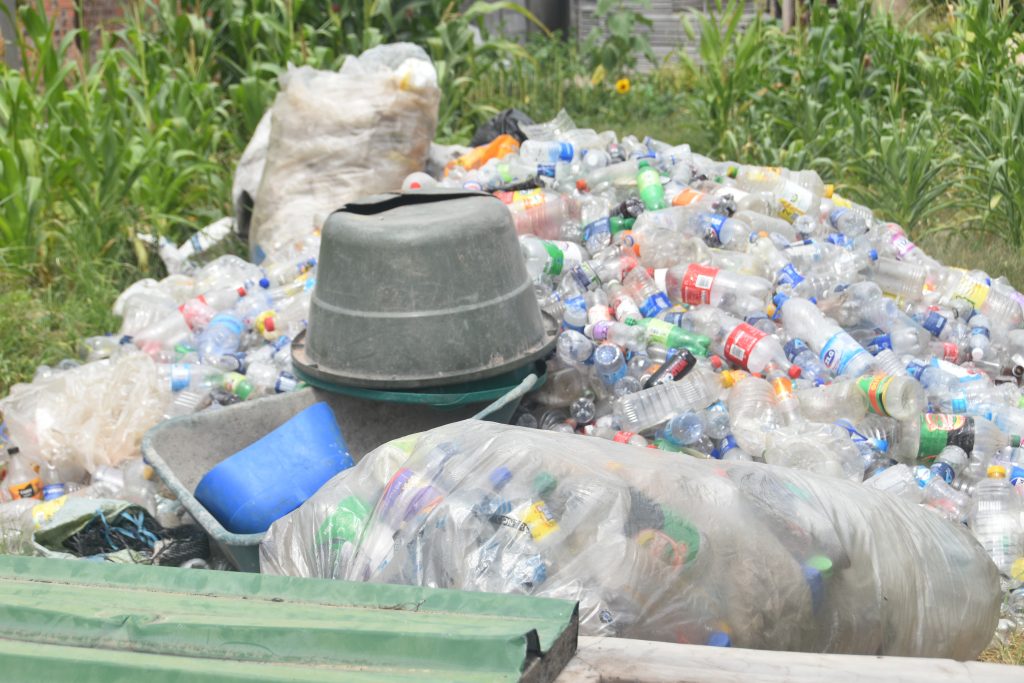
For years, the high-density settlements of Harare have lived at the frontline of climate stress, flooding during heavy rains, poor sanitation, unmanaged waste, and housing insecurity. Climate change here is not measured in future projections or distant policy documents. It is experienced in blocked drains, contaminated water sources, and homes at risk when the rains intensify.
Instead of waiting for rescue, residents are building solutions from the ground, turning waste into income, evidence into influence, and lived experience into climate action.
The transformation was brought into focus during the African Cities Research Consortium’s (ACRC) event in Harare and hosted by Dialogue on Shelter (DoS) and the Zimbabwe Homeless People’s Federation (ZHPF), where the the visit showed that research begins not in boardrooms but in backyards, alleyways, and community meetings.
Through the Informal Settlement Climate Change Action project—known as ISCCA 1—residents are not just research subjects. They are co-researchers.
Women in Tafara are mapping flood-prone areas, documenting sanitation challenges, and identifying climate risks that affect their daily lives. Working alongside city officials, academics, and climate experts, they are producing evidence that speaks directly to urban planners and policymakers—evidence rooted in reality.
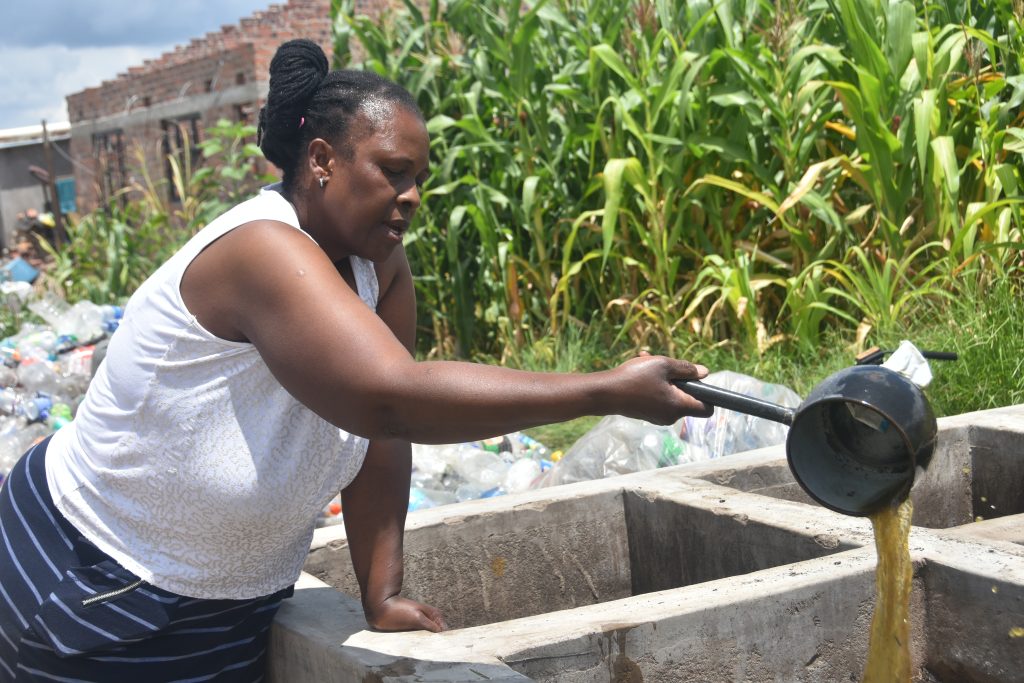
For Ratidzo Taruthla, climate action starts at home. Behind her house sits a compost pit, neatly managed and alive with organic matter. Once burdened by poor soils and sanitation challenges, she now transforms household waste into organic manure. The compost nourishes her crops, improves food security, and reduces the amount of waste entering the environment.
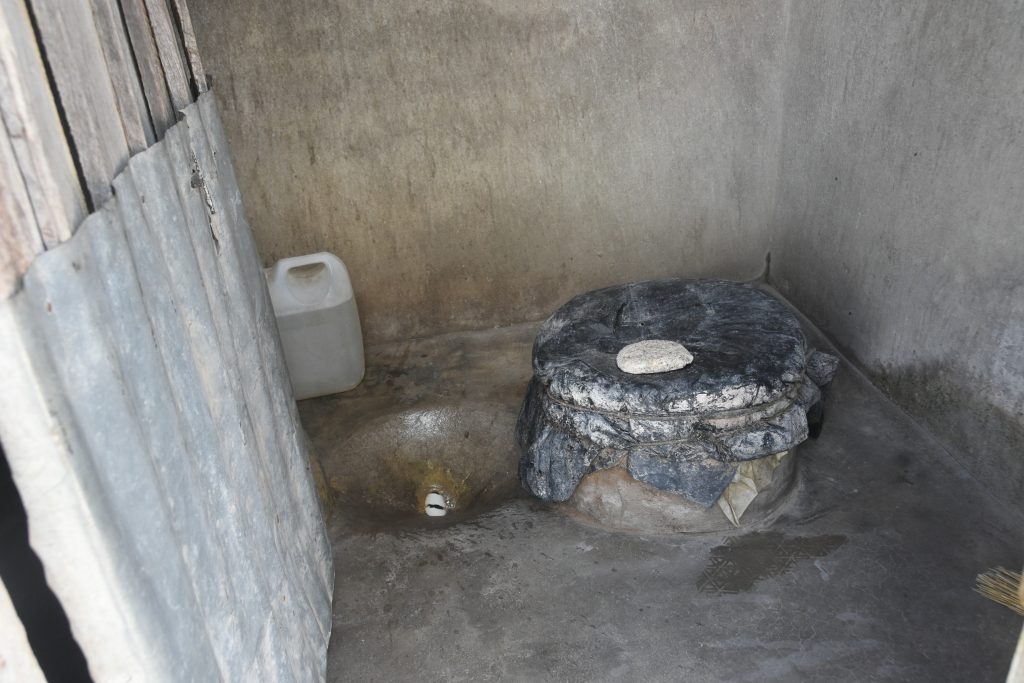
Nearby stands an eco-smart toilet, simple in design but transformative in impact. Ratidzoa said that toilet improves hygiene, protects groundwater, and reduces environmental contamination.
“In a settlement where sanitation has long been a crisis, this solution represents dignity as much as it does climate adaptation,” she said.
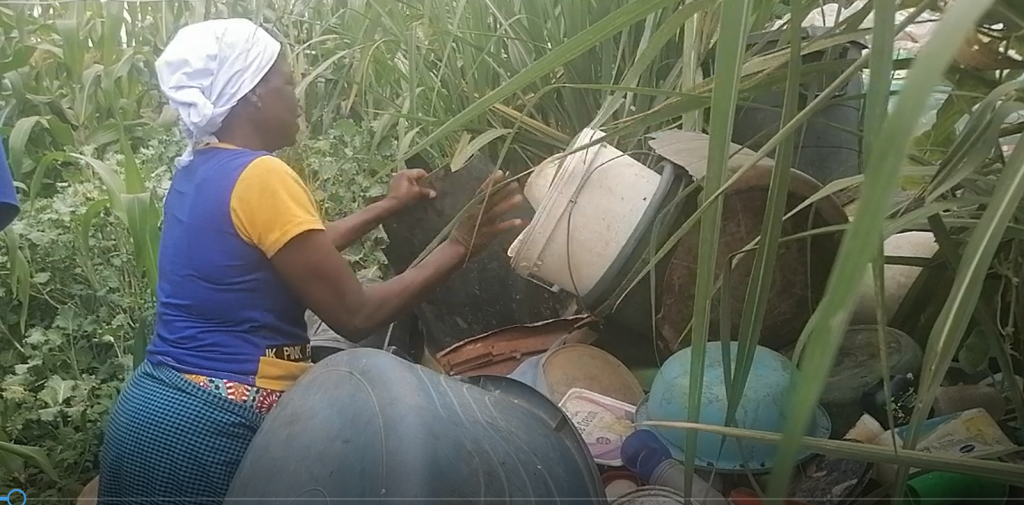
Just a few streets away, lives Mirriam Mushokahandi, a 56 year old widow, her story begins with plastics.
Each bottle collected is one less item blocking drainage systems, one less pollutant in the environment, one more step toward a cleaner suburb.
“When i lost my husband in 2018, I was left to take care of the family alone and that is when i started picking up plastics to sell and earn a living,” she said.
Mushokahandi said the more she is collecting plastics and scraps the more she notices that she is making an impact by cleaning the communitiy.
“When we pick up plastics, diapers and sanitary pads are not needed but for the reasons of keeping our community clean, I make sure to burn them,”
Through organized plastic recycling, residents have significantly reduced waste in Tafara. The result is visible, streets free of litter, open drainage channels, and a community that understands the link between waste management and flood prevention.
By selling collected plastic, women are generating income, supporting their families, and investing in better housing. For one recycler, the journey has been life-changing. She has moved from a cabin and managed to build her 3 roomed furnished house.
“I was a housewife who could look up to her husband and when he died I was shuttered, but with plastics I managed to build my house and moved out of the cabin,” she said.
Dialogue and Shelter programs coordinator Evans Banana said, “The whole idea of this organization was to do research, collect information in informal settlements across Harare and find interventions that can be co-created together with the community. So increasingly, much of the information that we have found relates to climate emergencies and how it is impacting the informal settlement,” he said.
One thought on “No Bins, No Waste, No Waiting: Inside Tafara’s Community-Led Climate Solutions”