






As climate change continues to intensify pressure on Zimbabwe’s agricultural sector, the United Nations World Food Programme (WFP) and the Zimbabwe Mercantile Exchange (ZMX) have partnered to strengthen market access for farmers and build more resilient food systems.
The partnership, formalised through a Memorandum of Understanding (MoU) signed in Harare on Wednesday, seeks to address one of the major challenges facing farmers, the inability to consistently access reliable markets, fair pricing and financing opportunities for their produce.
WFP Zimbabwe Country Representative and Director Barbara Clemens said increasing agricultural production alone was not enough to guarantee food security, noting that farmers needed functional markets and strong institutions that connect them to economic opportunities.
“Sustainable food security cannot be achieved through production alone. It requires functioning markets, strong institutions, and partnerships that can connect farmers, businesses, government and communities,” Clemens said.
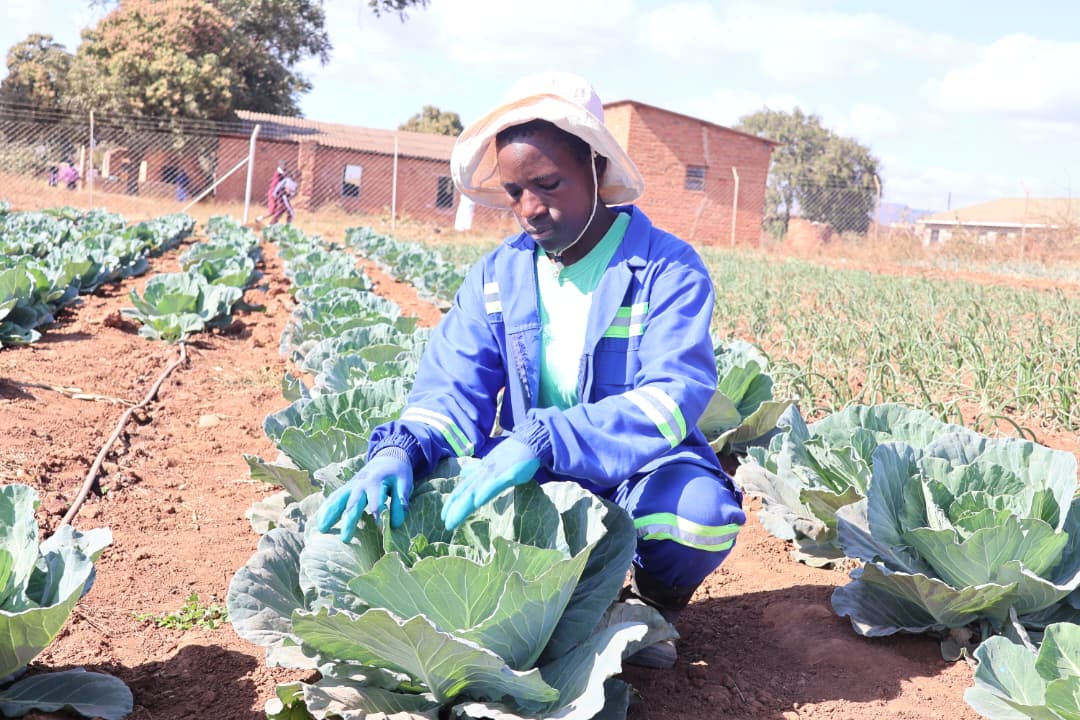
The partnership comes at a time when Zimbabwean farmers continue to grapple with the impacts of climate-related shocks, including droughts, unpredictable rainfall patterns and rising production risks.
Clemens said many farmers were producing valuable commodities but faced barriers such as limited access to reliable markets, transparent pricing, reduced post-harvest losses and inadequate financing to expand their enterprises.
Through its collaboration with ZMX, WFP said they aim to support more structured and efficient markets that enable farmers to overcome these challenges and participate more effectively in agricultural value chains.
ZMX Chief Excutive Officer (CEO) Collene Tapfumanei said Zimbabwe’s smallholder farmers represent one of the country’s biggest opportunities for food security and economic growth.
Tapfumaneyi said the key challenge was creating systems that allow millions of farmers to participate in formal markets, access buyers and receive value for their produce.
“If each one of them has the capacity to produce one tonne of maize, that will mean millions of tonnes per harvest. Our farmers have capacity to feed the nation fully,” he said.
He said strengthening market linkages, improving price discovery and creating financing mechanisms would be critical in unlocking the potential of smallholder farmers.
ZMX operates a commodities exchange and warehouse receipt system designed to connect farmers with buyers while improving access to financing through agricultural commodities.
Moreover, Clemens also added that stronger commodity markets could help Zimbabwe restore its position as a regional supplier of agricultural commodities while creating opportunities for farmers, businesses and communities.
“Platforms such as ZMX are strategic enablers that can help connect farmers to larger commercial opportunities, attract investment, strengthen confidence in agricultural value chains and position Zimbabwe as a competitive player in regional food markets,” she said.
The WFP representative added that when markets function effectively, farmers are encouraged to invest, rural businesses grow, financial institutions become more willing to provide credit and young people see greater opportunities in agriculture.
As Zimbabwe prepares its next Country Strategic Plan for 2027–2031, WFP said it will place greater emphasis on strengthening local systems, building resilience and supporting sustainable solutions beyond humanitarian assistance.
The stakeholders said linking farmers to markets would be critical in ensuring that communities are better prepared to withstand future climate and economic shocks.