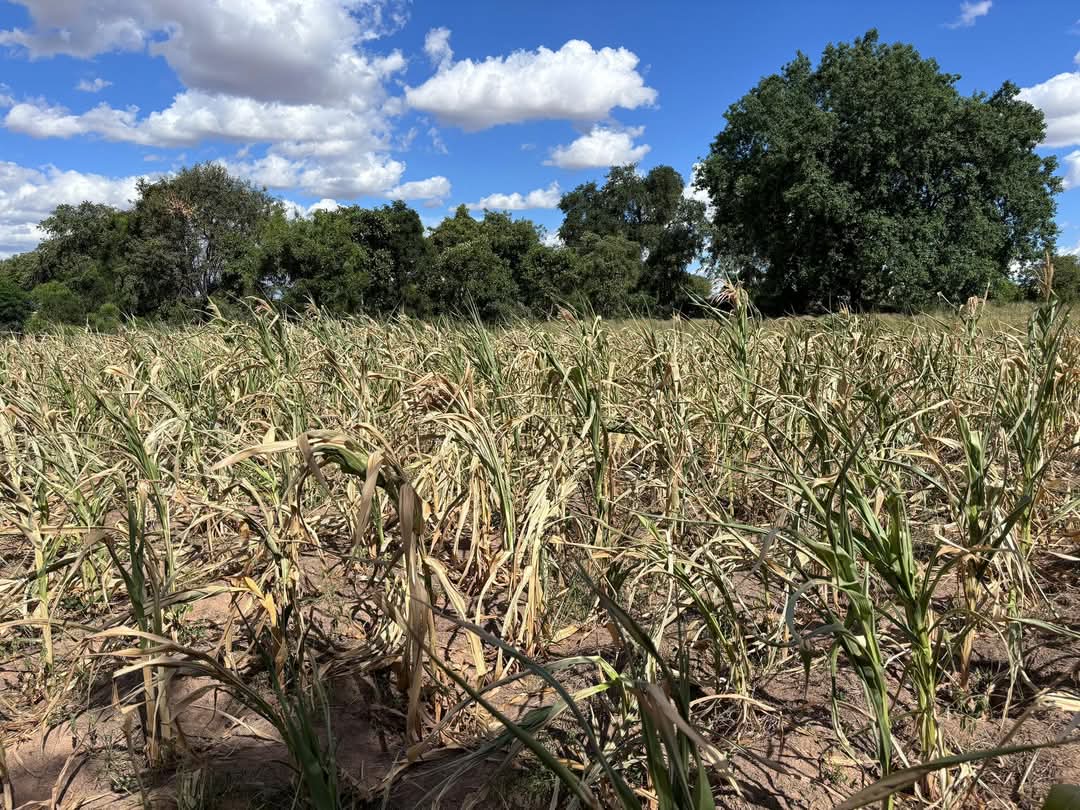

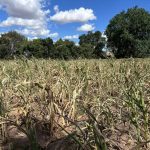


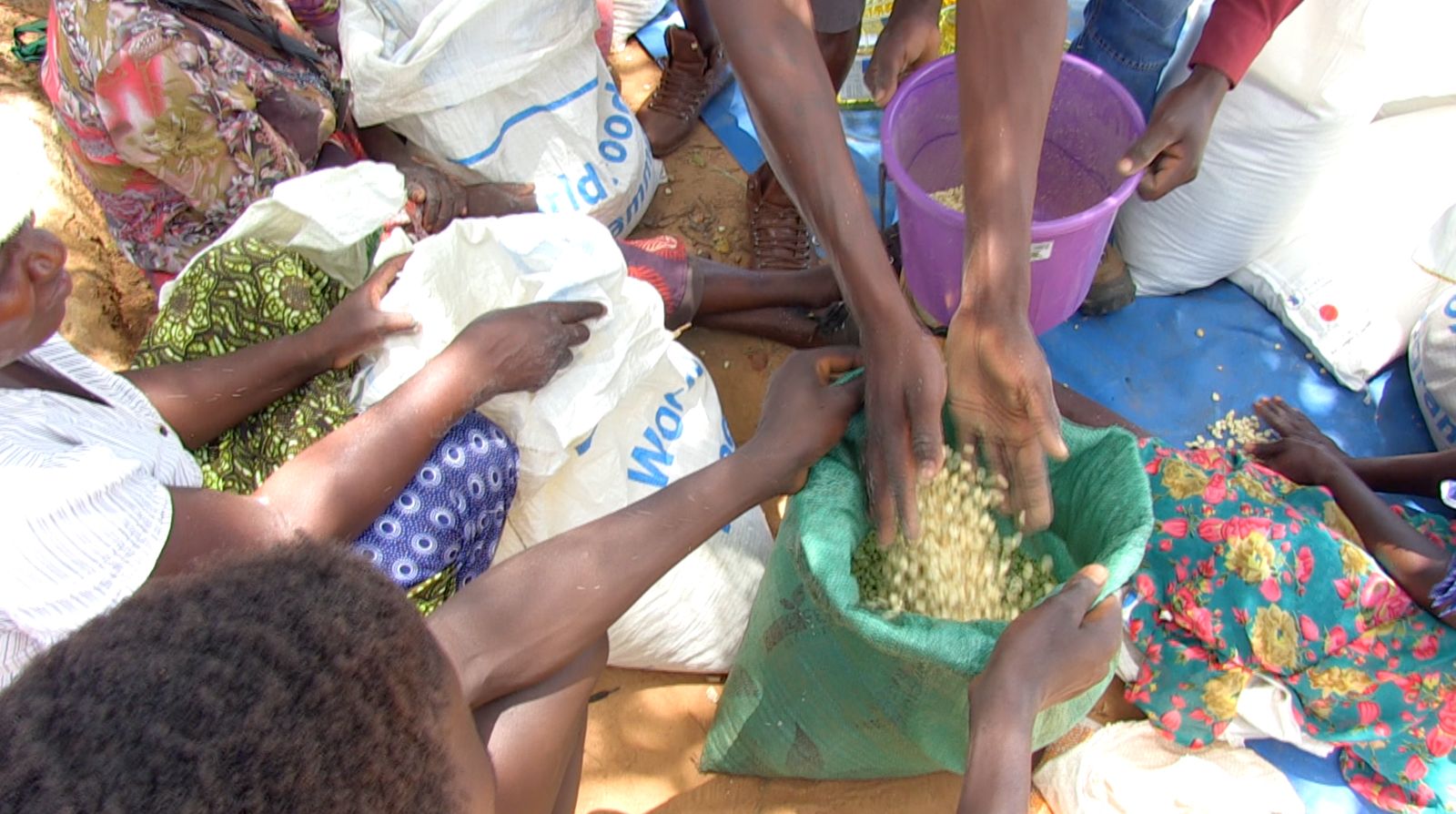
More than 80,000 vulnerable people in Mberengwa District are set to benefit from a lean season food assistance programme funded by the Government of Japan, as Zimbabwe continues to battle climate-induced food insecurity despite improved rainfall in parts of the country.
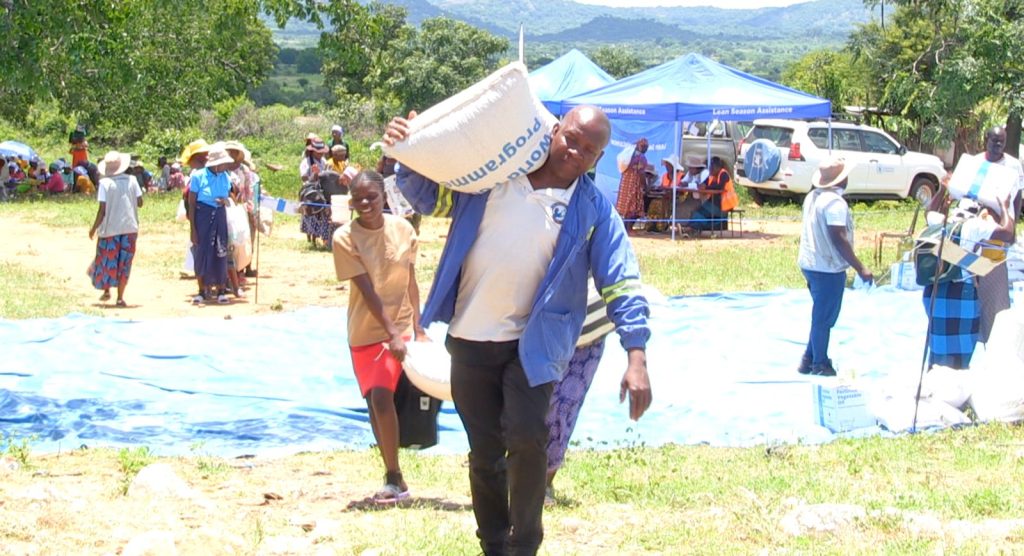
The assistance, valued at USD 2.5 million, is being delivered through the World Food Programme (WFP) in partnership with World Vision, and in coordination with the Government of Zimbabwe.
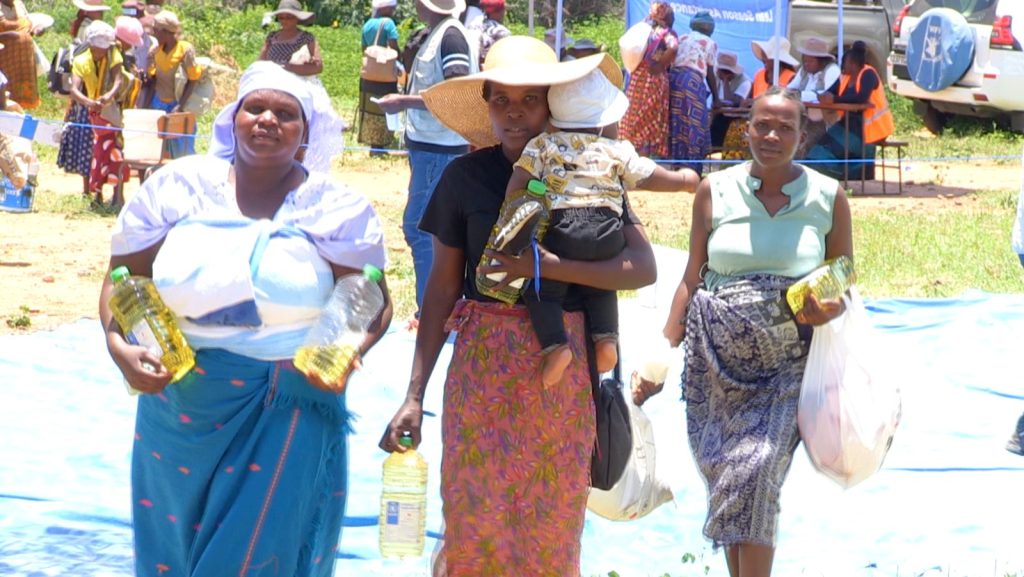
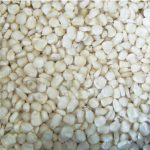
Beneficiaries will receive essential food commodities including cereals such as maize and rice, pulses, and vegetable oil, aimed at cushioning food-insecure households during the critical lean season.
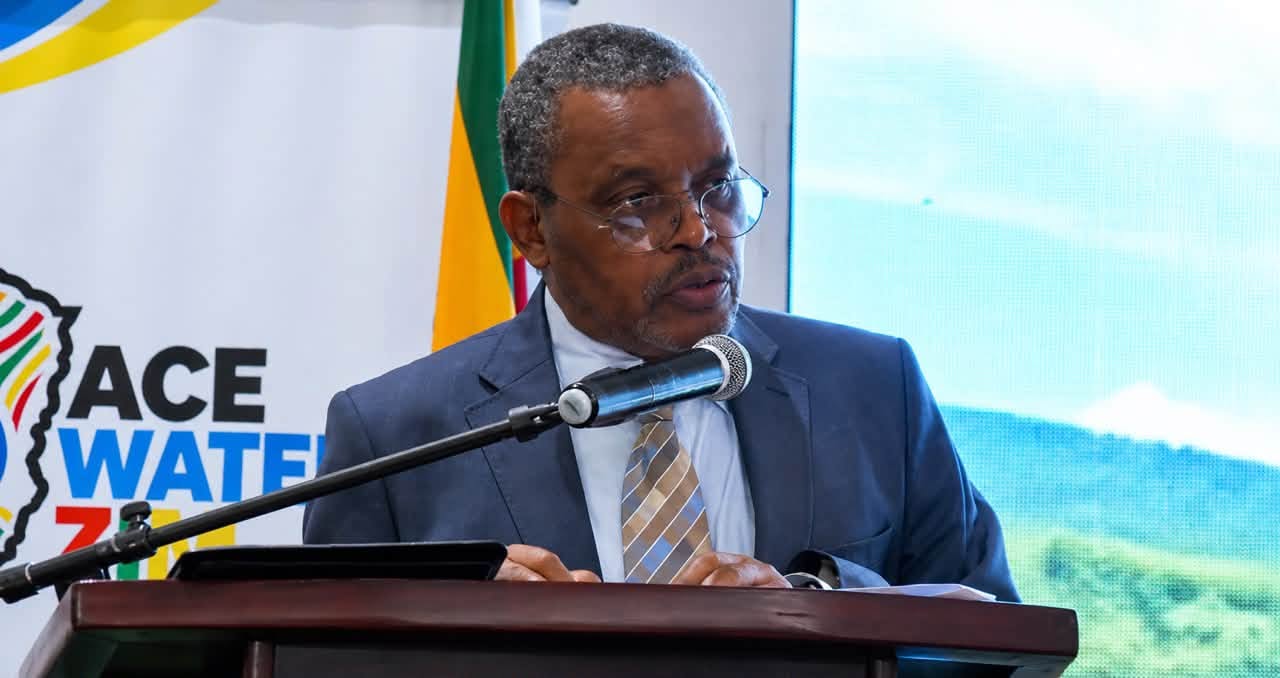
Speaking at the distribution ceremony, Director Tirivavi from the Ministry of Labour and Social Welfare said the intervention comes at a crucial time for communities facing the compounded effects of climate shocks.
“We are gathered here to strengthen partnerships that support communities at a time when the impacts of the environment and climate change are being felt the most,” he said.
“Mberengwa is among the regions hardest hit by food insecurity in Zimbabwe, and this support will go a long way in addressing hunger among vulnerable families.”
Tirivavi expressed gratitude to the Government of Japan for its continued commitment to Zimbabwe, noting that WFP’s work complements government efforts to reach communities most in need.
“We are very grateful for the support we continue to receive from Japan through WFP. This partnership complements government programmes and ensures that no one is left behind, especially during times of crisis,” he added.
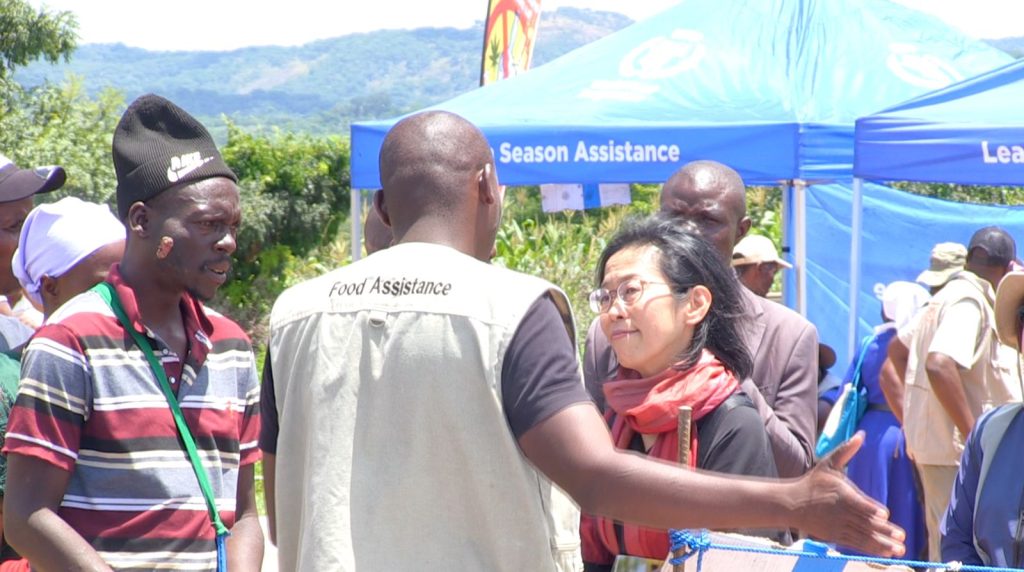
The lean season is the period between harvests when food stocks are lowest — remains particularly challenging for rural communities dependent on rain-fed agriculture.
Billy Mwiinga, WFP Zimbabwe deputy country director also the support is deeply need especially at this time when climate changes are affecting the country.
“Gathered to make a strong partnership to support community dutity this time when the impact of the environment is visibly seen. In 2025 Japan support 2.5 million and we can reach more than 80 000 people here in Mberengwa.Cereal, maize and rice, pulse and vegetable oil to address hunger and support food insucure families, ” he said, thanking Japan for the continued support to the people of Zimbabwe is assisting to reach vulnerable communities and support farmers in climate shocks.
While Zimbabwe has experienced better rainfall this season compared to the El Niño-induced drought of 2023/2024, heavy rains have also increased the risk of floods, threatening livelihoods and food production.
Speaking at the same event, Japan’s Deputy Ambassador to Zimbabwe said the assistance reflects Japan’s understanding of disaster risks and its solidarity with communities affected by climate-related shocks.
“The lean season is a difficult time. Although we are seeing better rains this season and possibly improved harvests in some areas, heavy rainfall can also increase the risk of natural disasters such as floods, which affect vulnerable people the most,” the Deputy Ambassador said.
The diplomat also noted that the assistance aligns with the Zimbabwean government’s own measures to strengthen national disaster preparedness, including plans to distribute grain to provinces to build contingency stocks.
“Japan is a disaster-prone country, and we know the pain that disasters bring. This support demonstrates our solidarity with the people of Zimbabwe and reflects the long-standing friendship and partnership between our two countries, which marked its 45th anniversary last year,” she said.
Over the past six years, a period marked by the COVID-19 pandemic and severe climate events — Japan has provided approximately USD 11.4 million in food assistance, reaching about 216,000 people nationwide.
The Deputy Ambassador paid tribute to WFP and World Vision for their frontline role in delivering aid, as well as to the Government of Zimbabwe for coordinating the national response.
Addressing community members directly, she emphasized the dignity-centred aim of the assistance.“This support is for you. We hope it helps you bridge the lean months with dignity — protecting your children and keeping them in school, caring for the elderly, and avoiding harmful coping strategies.”
The food assistance also forms part of Japan’s broader cooperation with Africa through the Tokyo International Conference on African Development (TICAD), which has guided Japan-Africa partnerships for over 30 years.
Zimbabwe participated actively in the 9th TICAD, held last year under the theme “Co-create innovative solutions with Africa.”
Japan reaffirmed its commitment to continue working with Zimbabwe in line with the National Development Strategy 2 and Vision 2030, with a focus on strengthening food security and building community resilience to climate shocks.