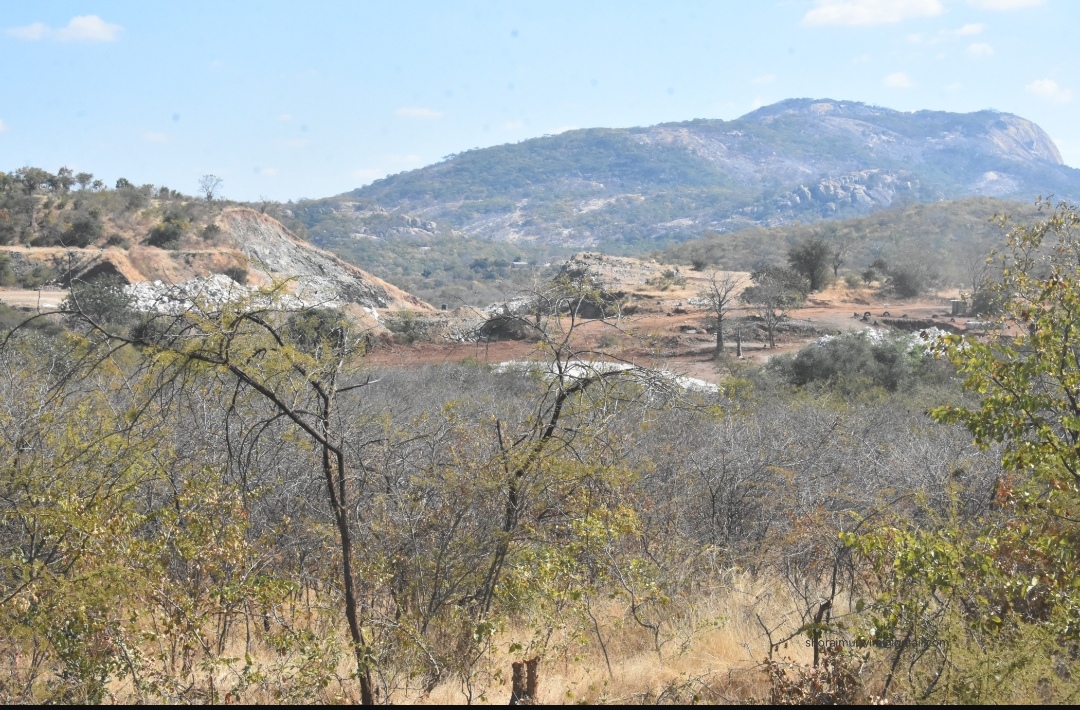






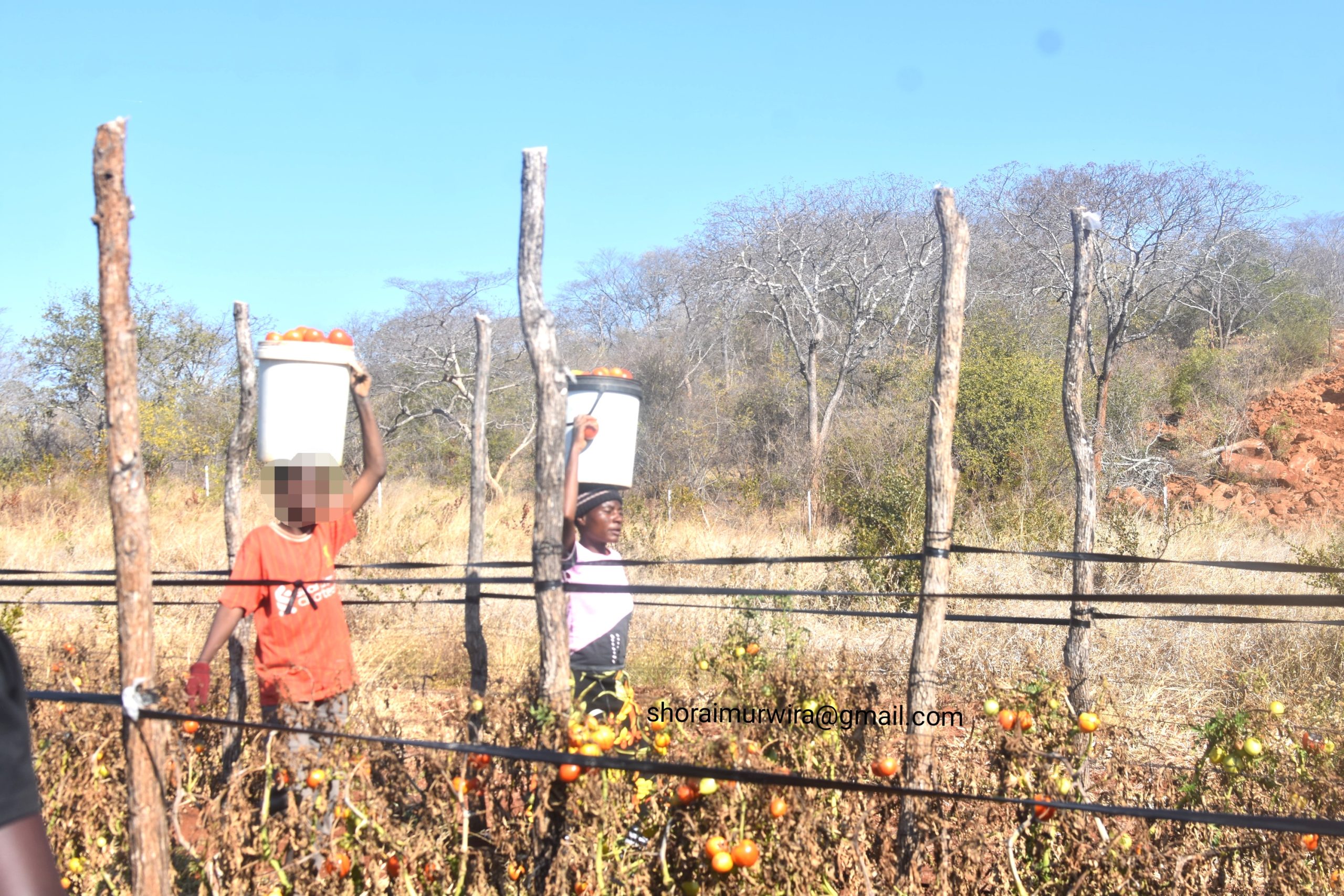
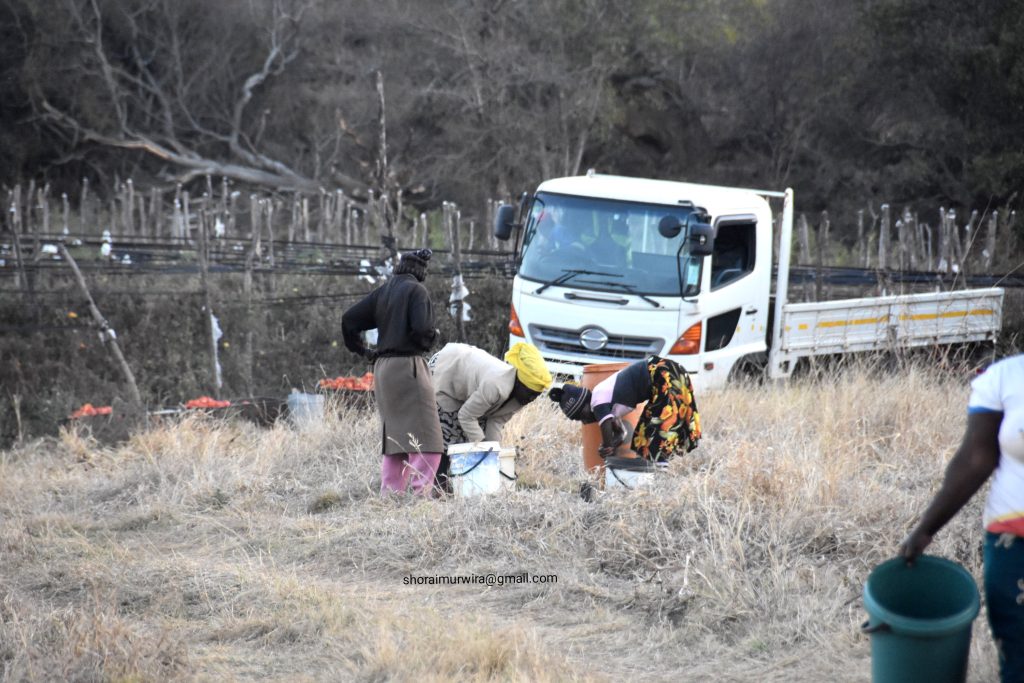
Zvishavane, Zimbabwe – In the parched fields of rural Zvishavane, families are surving on picking tomatoes from @Sibusisiwe Nyakunhuwa’s farm, their buckets slowly filling under the hot sun.
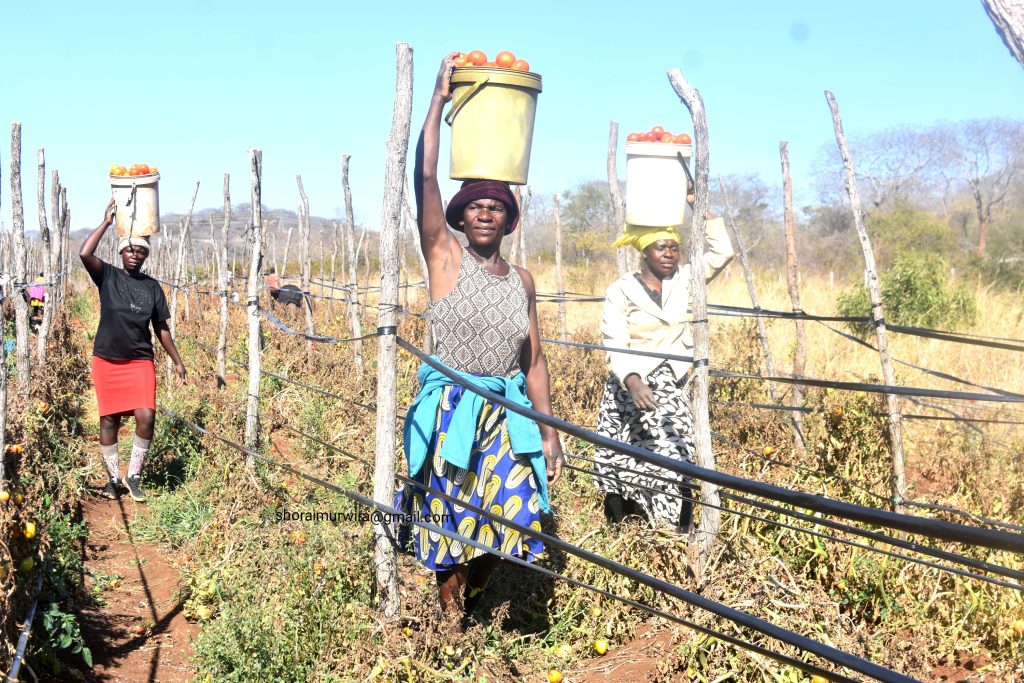
Nearby, a young boy balances a heavy pail of tomatoes on his head, walking beside his mother. For this family, and many others in southern Zimbabwe, tomatoes are not just vegetables, they are survival.
Erratic rains linked to climate change and the El Niño-induced drought have devastated harvests across the country, leaving about seven million food insecure.
According to the World Food Programme, over 6 million Zimbabweans—nearly half the population—are projected to need food assistance in 2025.
Here in Zvishavane, families are adapting in the only way they know how, small-scale horticulture. Tomatoes, though delicate, have become the crop of hope. The women thank Nyakunhuwa for her Horticulture project saying Atleast it has created jobs and giving food to their families.
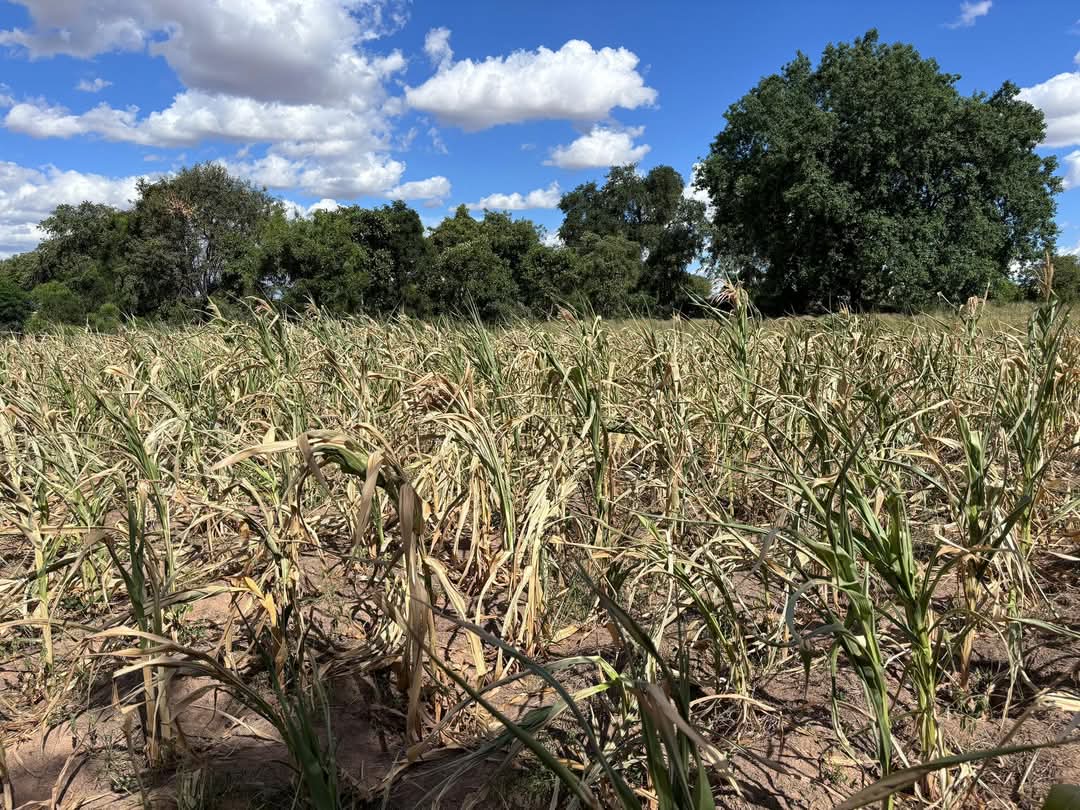
“Last year no crop survived the sun and we did not harvest anything. What is left for us is to work here, we get paid and buy food, even pay tutiton for our children,” said one woman who was recognised as Mai Nyasha and she is also the wife to the village head.
“Even our children are now helping us in the fields since schools are on a break. We cannot manage alone.”The sight of a young boy hauling buckets of tomatoes alongside his mothers underscores the deepening impact of hunger. Childhood is cut short by necessity, survival has become a family affair.
Zimbabwe’s smallholder farmers are bearing the brunt of climate change. The 2023/24 rainy season was marked by long dry spells, leaving staple crops like maize scorched in the fields.
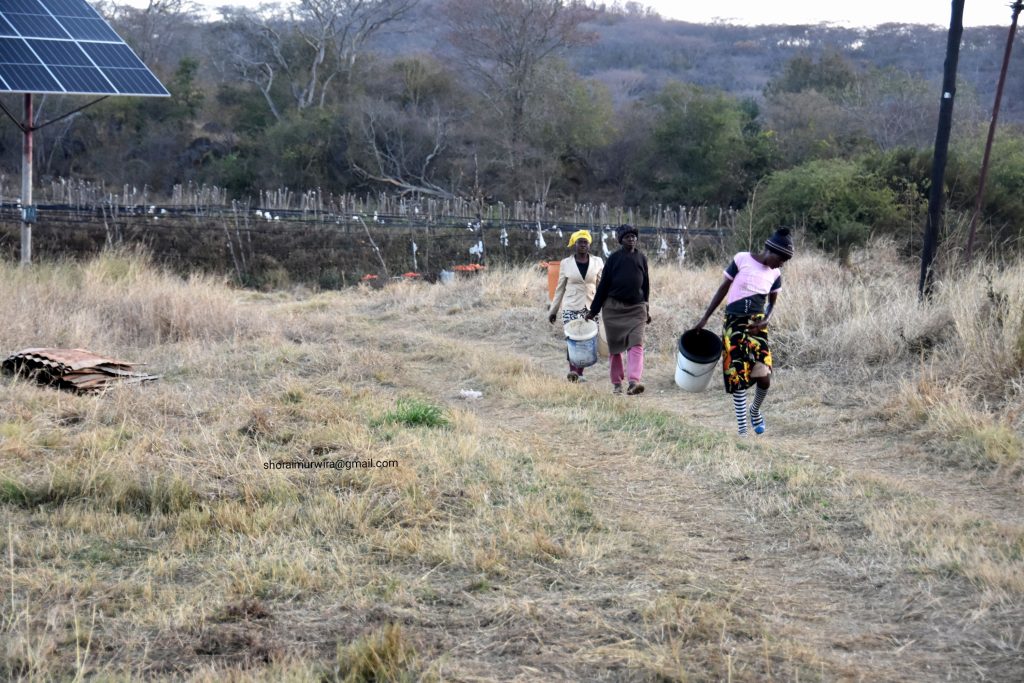
Horticulture, though labor-intensive, has become one of the few options for rural families to cope.But survival comes at a cost. With little access to irrigation, Nyakunhuwa, the farm owner said she rely on a small solar panel which is helping her to get water from a borehole.
However, a solar panel in the distance powers a drip system, yet for many, the technology is unreliable and too expensive to expand.
Experts warn that without stronger support for climate-resilient agriculture, including small-scale irrigation, drought-tolerant seeds, and social protection programmes, rural families will continue to struggle.For now, however, it is the women of Zvishavane—and their children—who carry the burden, bucket by bucket.Each tomato harvested is not just a vegetable, but a statement of resilience against hunger.