
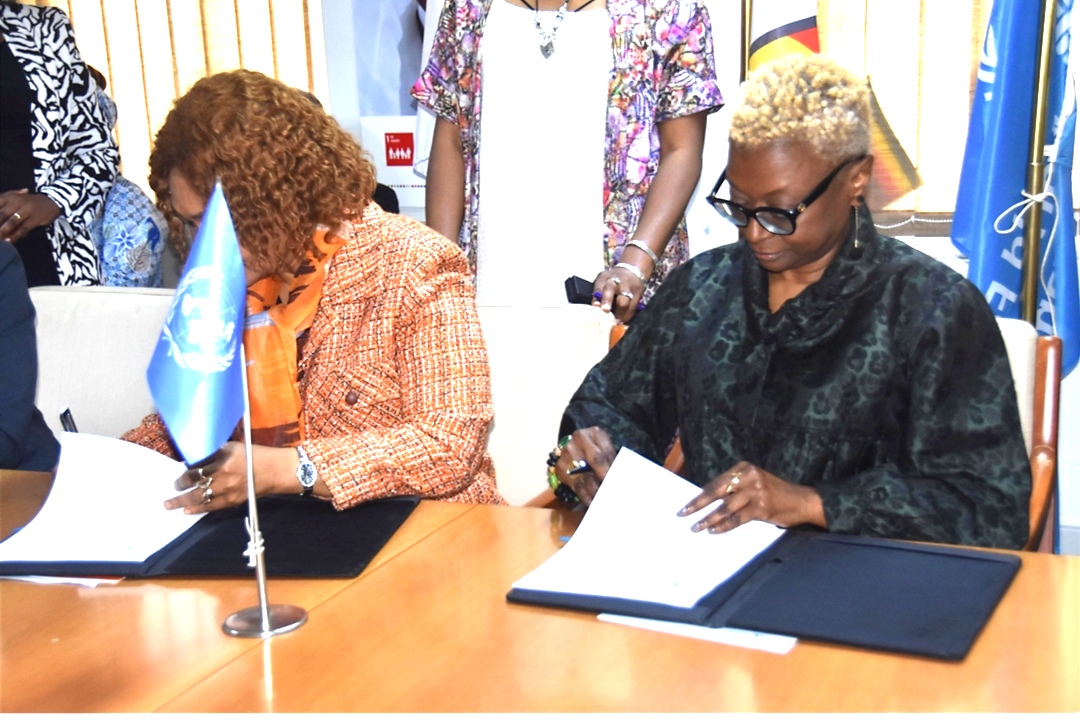
In a bid to tackle the complex issues of food insecurity and poor health outcomes, the United Nations World Food Programme (WFP) and the United Nations Population Fund (UNFPA) have joined forces to provide integrated services in Zimbabwe, recognizing that food alone is not enough to ensure good health, particularly for women and girls in rural areas.
Against the backdrop of a significant funding gap, exacerbated by the US administration’s withdrawal from global funding initiatives, this partnership is believed to highlight the importance of efficient and cost-effective approaches to addressing development challenges.
“This partnership highlights the importance of looking beyond just food security,” said Barbara Clemens, WFP Country Representative and Director in Zimbabwe. “By integrating SRHR and GBV services into food distributions, we can ensure that individuals have access to the services they need to thrive, not just survive.”
By combining food and nutrition assistance with sexual and reproductive health rights (SRHR) and gender-based violence (GBV) services, the two agencies aim to provide a more comprehensive approach to addressing the needs of vulnerable populations.
“No woman should choose between feeding her family and accessing life-saving sexual reproductive health and rights services,” said Miranda Tabifor, UNFPA Representative in Zimbabwe. “Empowering women and girls is central to breaking the cycle of poverty. This collaboration ensures they have access to both the food they need to survive and critical sexual and reproductive health and GBV services they need to thrive.”
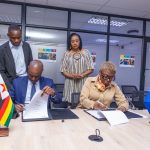
“This agreement establishes a framework for collaboration that integrates sexual and reproductive health and rights, including family planning, prevention of gender-based violence, and food and nutrition security into food assistance activities. By targeting the same beneficiaries, especially women and young people, and building on WFP’s existing food distribution platforms, we can reach more people with essential services and information,” she added.This is not the first time the two UN agencies are collaborating. In 2016, they signed an MOU for the provision of food to pregnant women in Maternity Waiting Homes by WFP while UNFPA supported the maternity services including the refurbishments of the homes. This was implemented over a number of
years.
During the Cyclone Idai, WFP provided logistical services for the distribution of food and SRH commodities to the affected hospitals and maternity waiting homes in Chipinge and Chimaninmani districts, The partnership continued during the Covid 19 pandemic when UNFPA supported with SRH IEC material and condoms which WFPF distributed at food
The integrated approach also enables the agencies to make the most of limited resources, maximizing impact while minimizing costs. This is particularly crucial in the current funding landscape, where resource constraints threaten to undermine progress towards development goals.
The partnership is a significant step towards recognizing the interconnectedness of food security, health, and well-being. By providing integrated services, WFP and UNFPA can help ensure that individuals and communities have the support they need to lead healthy and fulfilling lives.