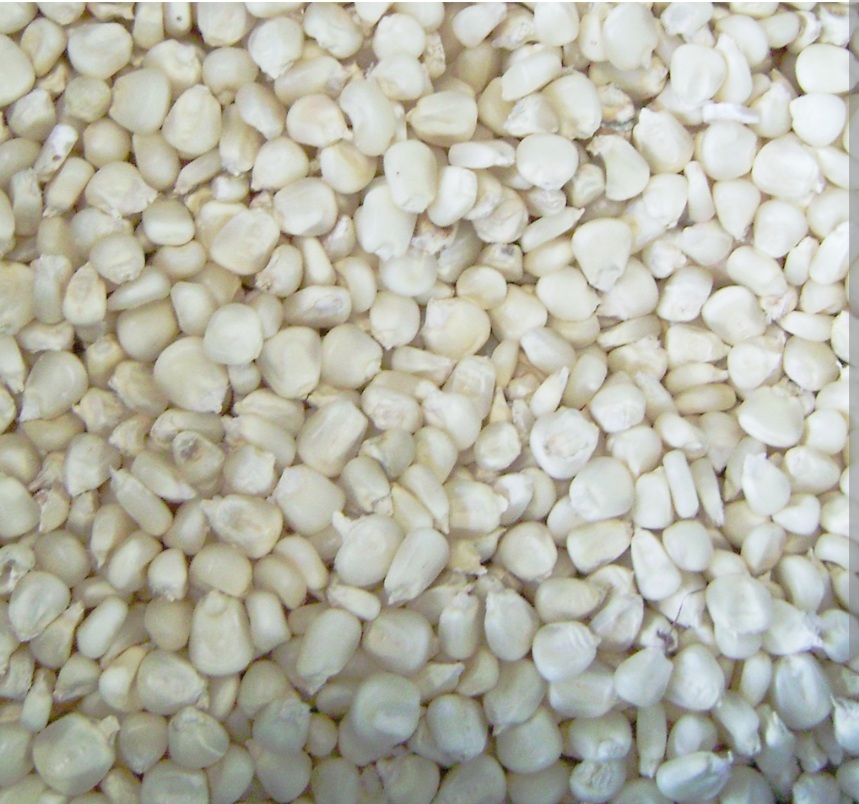






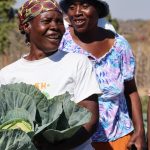
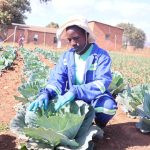
For generations, farmers in Ward 5 of Mudzi District, Mutoko, depended on the land. Small grains such as sorghum and millet crops traditionally considered more resilient in dry areas sustained households through difficult seasons.

But as rainfall patterns become increasingly unpredictable and dry conditions intensify, even traditional coping strategies are becoming harder to maintain.
Now, the community is exploring a new livelihood: fish farming.
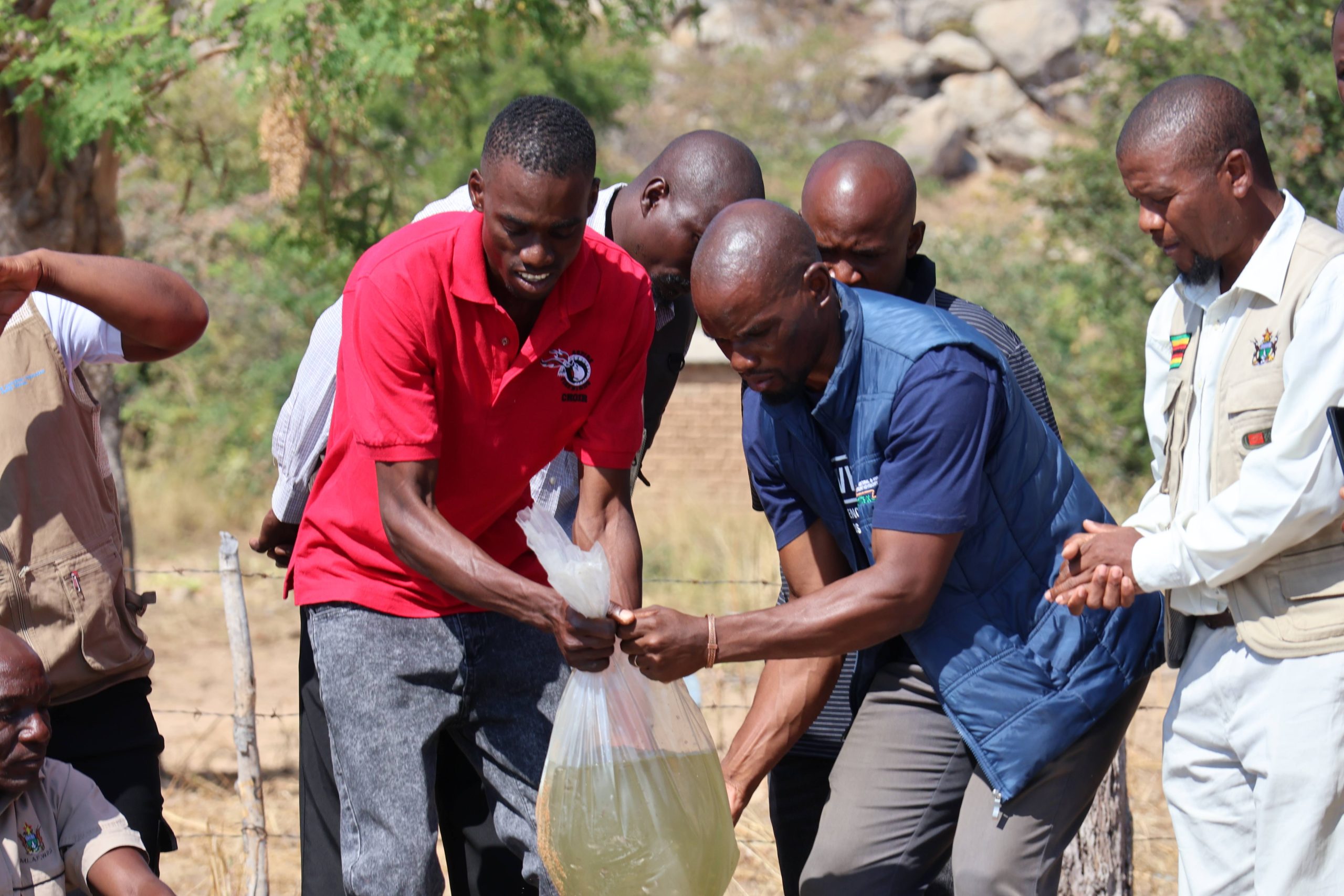
The Ministry of Agriculture’s Fisheries Department has established a fish pond in Ward 5, introducing aquaculture as an alternative source of food and income in an area where climate change has made farming increasingly challenging.
The initiative comes as communities in dry regions of Zimbabwe look beyond conventional crop production to strengthen their resilience against drought and food insecurity.
“People here have always relied on farming small grains because this area is dry, but things are changing. The rains are no longer as reliable as before. Fish farming gives us another option,” said a local new farmer, Emmanuel Charehwa.
Mudzi District is among areas in Zimbabwe that frequently experience dry conditions, where farmers face shorter growing seasons, prolonged dry spells and declining agricultural productivity.
While small grains remain an important climate-smart crop, farmers say diversification has become necessary.
The introduction of fish farming follows the success of similar projects in other wards, where farmers have already started producing fish and using the ponds as a source of nutrition and income.
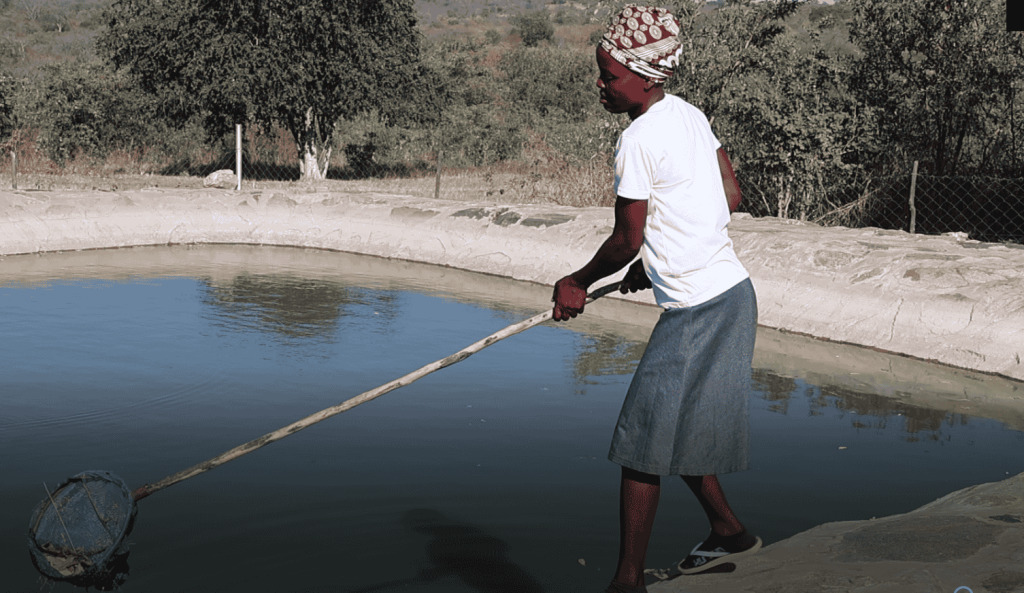
According to Taurai Chimukoko, aquaculture offers multiple benefits. Fish provides a source of protein for households while surplus production can be sold to generate income.
“Since we started fish farming, life has changed. We can eat fish anytime, which has improved our health and we are also selling which has brought income to modernize our rural home,” she said.
Chimukoko and her husband said they have drilled borehole since they started fish farming with the goal to expand to 10 fish ponds at their homestead. Currently they are at two.
The project is also creating opportunities for communities to learn new skills in fish production, pond management and sustainable water use.
Livestock and Fisheries Director, Milton Makumbe ,”We came here to support a local young farmer with 2000 fingerlings wanting to see the feasibility of growing fish in this region which is slightly warmer than other regions across the country.”
For women, who often carry the responsibility of securing food for households during drought periods, alternative livelihoods such as aquaculture could reduce pressure created by failed harvests.
Climate experts have repeatedly highlighted the importance of moving away from dependence on a single livelihood source as climate change continues to disrupt traditional farming systems.
Across Zimbabwe, farmers are increasingly adopting climate adaptation practices including irrigation, conservation agriculture, livestock feed production and aquaculture to cope with changing environmental conditions.
For communities in Mudzi, the fish pond represents more than a new farming project it signals a shift in how rural households respond to a changing climate.
As the fields struggle under rising climate pressures, the waters may offer a new path towards resilience.