




Hundreds of rural women farmers across southern Zimbabwe are benefiting from labour-saving agricultural technologies introduced through a partnership between the Green Climate Fund (GCF), the Government of Zimbabwe and the United Nations Development Programme (UNDP), aimed at strengthening climate resilience and improving livelihoods.
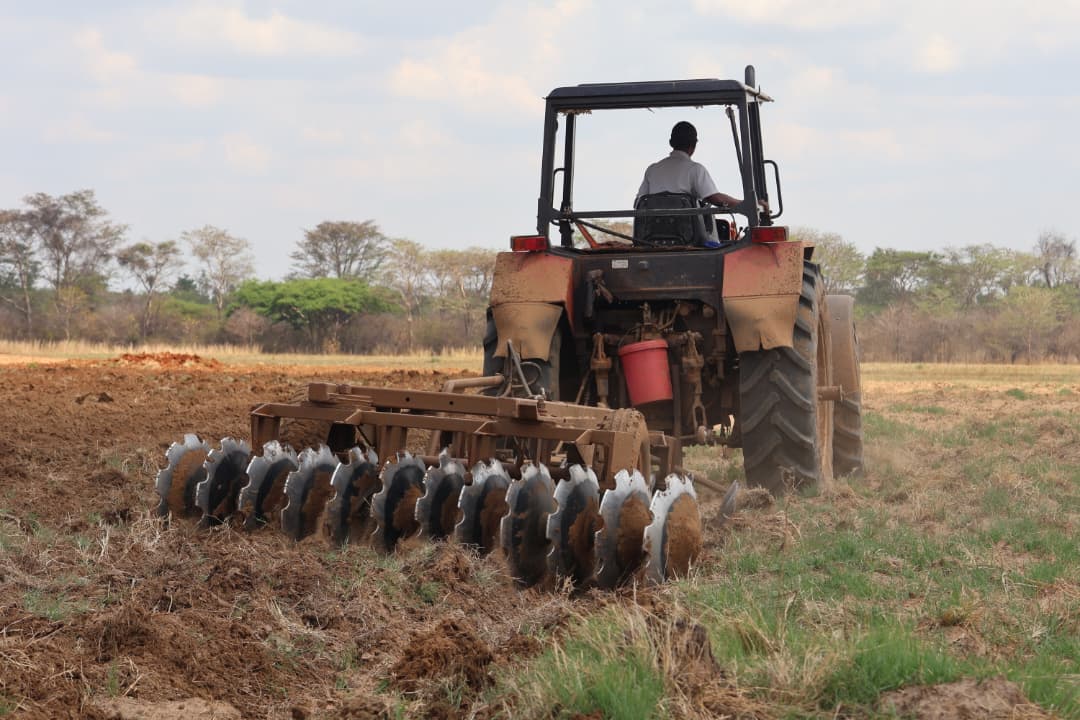
The Climate Resilient Livelihoods Project has provided 230 Farmer Field Schools with earth augers, multi-crop threshers and grinder-choppers to reduce the physical burden of agricultural work, improve productivity and help communities adapt to the impacts of climate change.
Women in many rural communities traditionally spend long hours manually preparing planting basins, threshing grain and processing livestock feed while also carrying household responsibilities. Climate-related challenges, including prolonged droughts and erratic rainfall, have increased pressure on farming households.
In Buhera District, farmers say the introduction of earth augers has significantly reduced the time required to prepare land for planting.
“Digging planting basins manually was one of the most exhausting jobs,” said Christine Mudzingwa, a farmer from Kichini Village. “The auger has brought real relief to women. Now we can finish preparing our plots quickly and plant on time.”
The technology is allowing women to devote more time to nutrition gardens, savings groups, agricultural training and other income-generating activities.
In drought-prone Gwanda District, threshers and grinder-choppers are helping farmers process grain and prepare livestock feed more efficiently, reducing labour demands and supporting livestock survival during dry seasons.
“Preparing feed for livestock used to take us the whole day,” said Precious Hobane of Nsimbi Village. “Now the grinder-chopper does the heavy work for us. We can prepare enough feed much faster.”
Project beneficiaries say the technologies are not only reducing drudgery but also creating new economic opportunities. Several Farmer Field Schools are hiring out the equipment to neighbouring farmers, generating income for machine maintenance, agricultural inputs and community savings initiatives.
The additional time created by the technologies is also enabling more women to participate in training programmes and community decision-making processes.
The Climate Resilient Livelihoods Project forms part of broader efforts by GCF, the Government of Zimbabwe and UNDP to help vulnerable communities adapt to climate change while promoting gender equality and sustainable livelihoods.
Officials say labour-saving technologies are playing a key role in strengthening resilience by increasing productivity, reducing workloads and enabling women to engage more actively in economic and leadership activities.
Across southern Zimbabwe, the technologies are increasingly being viewed as practical tools for improving agricultural production and helping rural households better withstand climate-related shocks.