


The United Nations Development Programme (UNDP) Zimbabwe has launched a high-level consultative process to shape its next Country Programme Document (CPD) for 2027–2031, bringing together government officials, development partners, private sector leaders and civil society actors in Harare.
The meeting, held on 18 March, marks the beginning of an inclusive process aimed at aligning UNDP’s future programming with Zimbabwe’s national priorities, including Vision 2030 and the Sustainable Development Goals.
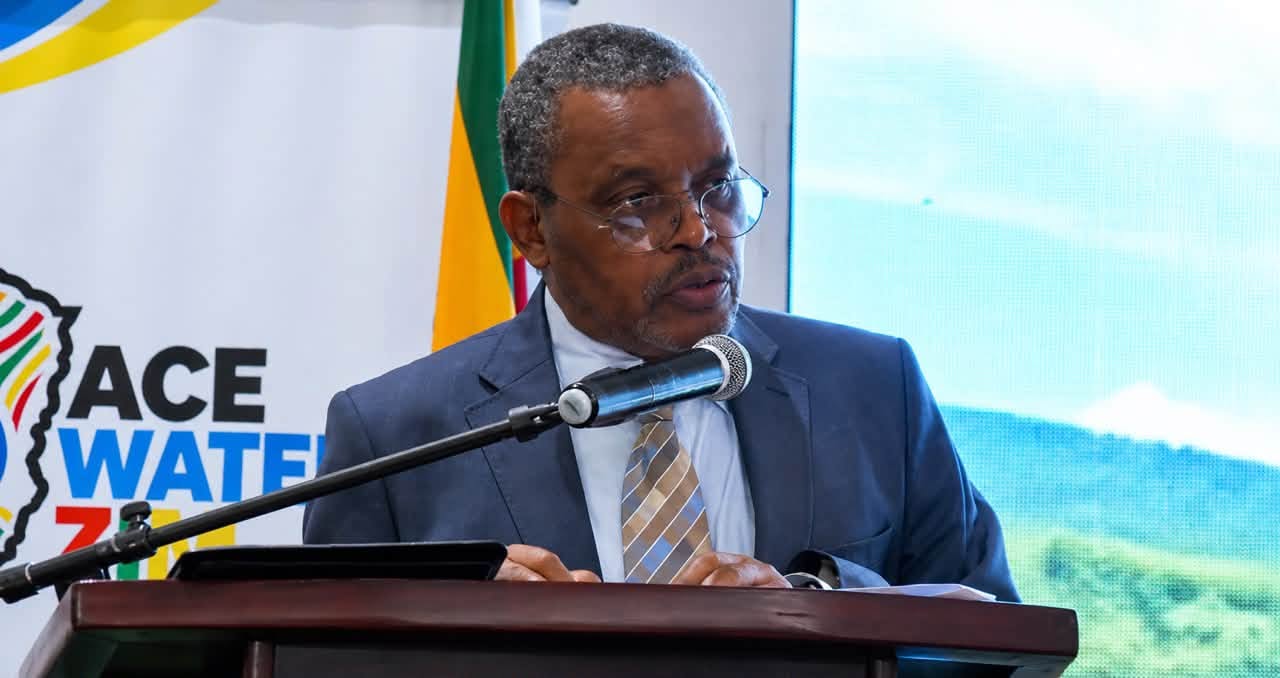
Opening the dialogue, UNDP Zimbabwe Resident Representative Dr. Ayodele Odusola underscored the urgency of coordinated action in addressing the country’s development challenges.
“This is not just a planning exercise—it is a collective reflection on how we align partnerships, policies, and financing to deliver real transformation. Achieving Zimbabwe’s development ambitions will require moving from fragmented efforts to a whole-of-society approach that mobilizes both public and private capital at scale,” he said.
Deliberations focused on the need for stronger partnerships, integrated approaches and a shift in how development is financed.
Stakeholders emphasized moving away from traditional grant-based models toward more sustainable, investment-driven financing mechanisms that can unlock capital at scale.
The upcoming CPD will be anchored on four strategic priorities: governance, economic transformation, climate resilience and natural resource management, as well as human development and social protection.
These areas are expected to be supported by cross-cutting themes such as digital innovation, gender equality and new financing models.
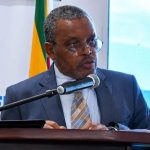
UNDP Deputy Resident Representative for Programmes, Mr. Challa Getachew, highlighted the interconnected nature of the proposed priorities, stressing the need for integrated solutions.
“Our approach recognizes that development cannot happen in silos. Governance, economic transformation, climate resilience, and human development are deeply interconnected and progress in one depends on progress in all.
The next programme will focus on delivering results where they matter most: at the community level, while strengthening systems at the national level,” he said.
Participants also called for a stronger focus on system-level impact, supported by improved data systems and coordinated programming across sectors.
There was consensus on the need for UNDP to play a more strategic role in aligning policy, financing and implementation.
A key theme emerging from the consultation was the importance of community-driven development.
Stakeholders stressed that sustainable solutions must be grounded in local realities, with greater involvement of communities, local authorities and traditional leaders in shaping interventions.
Closing the meeting, UNDP Deputy Resident Representative for Operations, Ms. Carine Yengayenge, emphasized the importance of partnerships in achieving lasting development outcomes.
“The challenges we face are complex, but so are the opportunities. What is clear is that no single institution can deliver this alone. It is through collective action—across government, the private sector, development partners, and communities that we can mobilize the scale of resources and innovation needed to deliver lasting results,” she said.
The consultation signals the start of a broader engagement process that will continue in the coming months, culminating in the finalization of the CPD, which will guide UNDP’s work in Zimbabwe over the next five years.
The programme is expected to serve as a roadmap for mobilizing financing, strengthening resilience and delivering inclusive and sustainable development outcomes.