


Her heels, cracked by years of walking across dry, unforgiving ground, sink into the sandy riverbed.
The dry wind has left its mark on her face, her lips chapped and her skin weathered by years of exposure to the harsh conditions of Mbire.
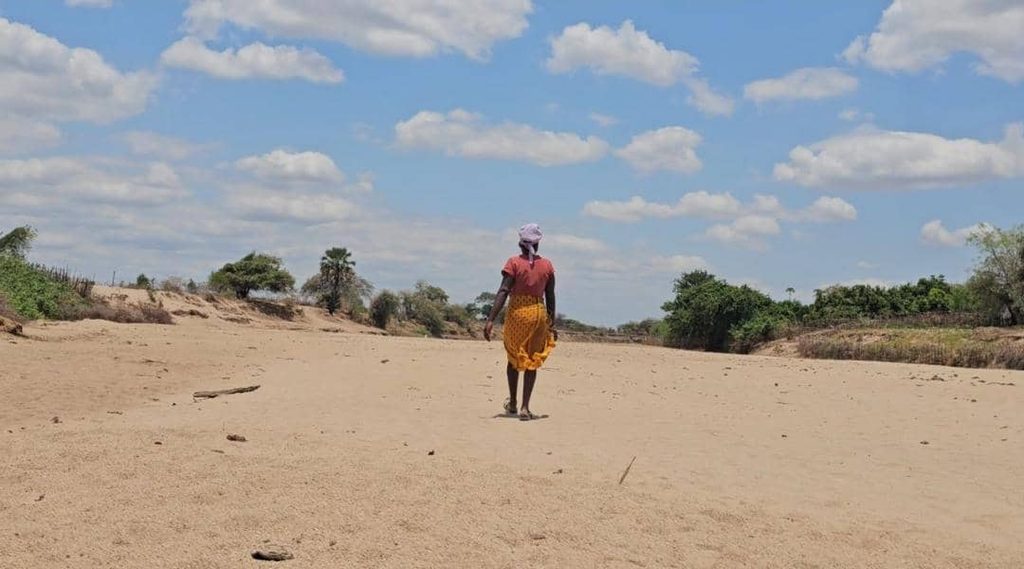
Melody Chikwasha, 35, walks across the dry river sand, carrying with her memories of a struggle that has defined much of her life. For 35 years, water has been a daily concern, a precious resource that has never been easy to find.
But today, there is a smile on her face.
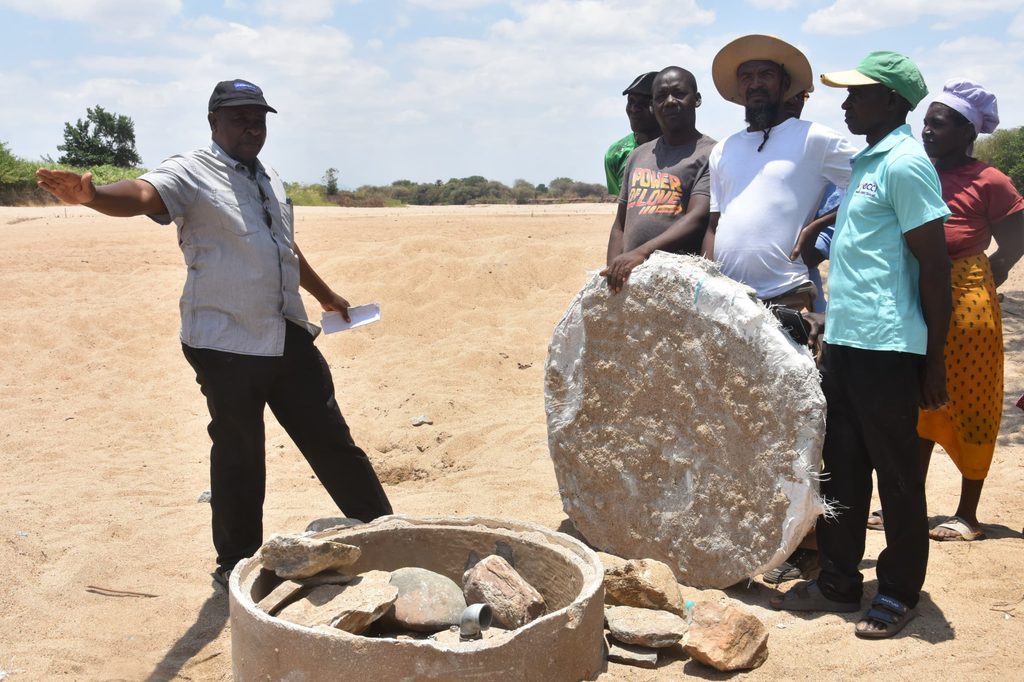
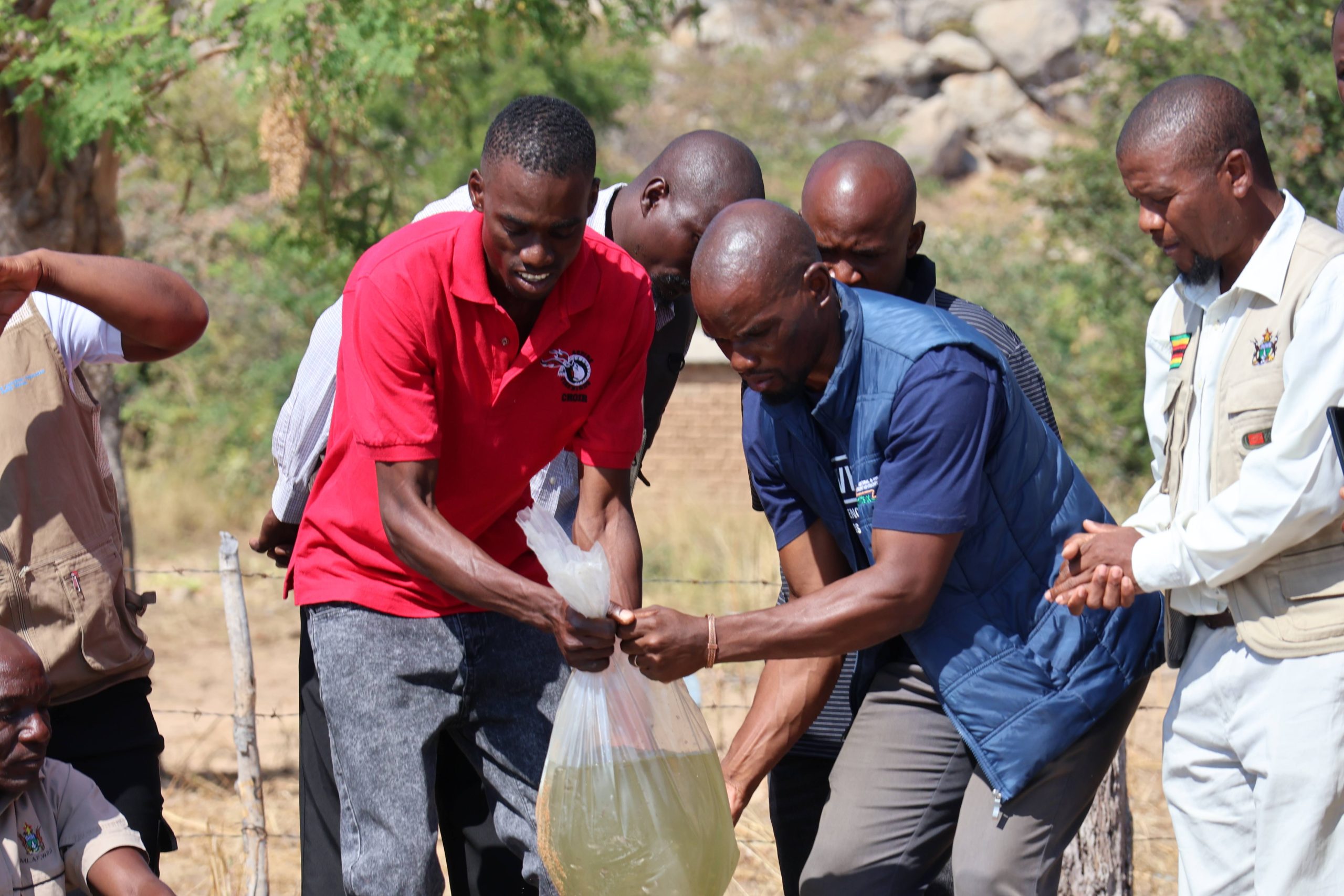
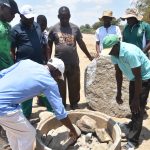
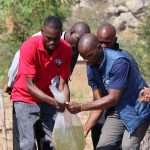
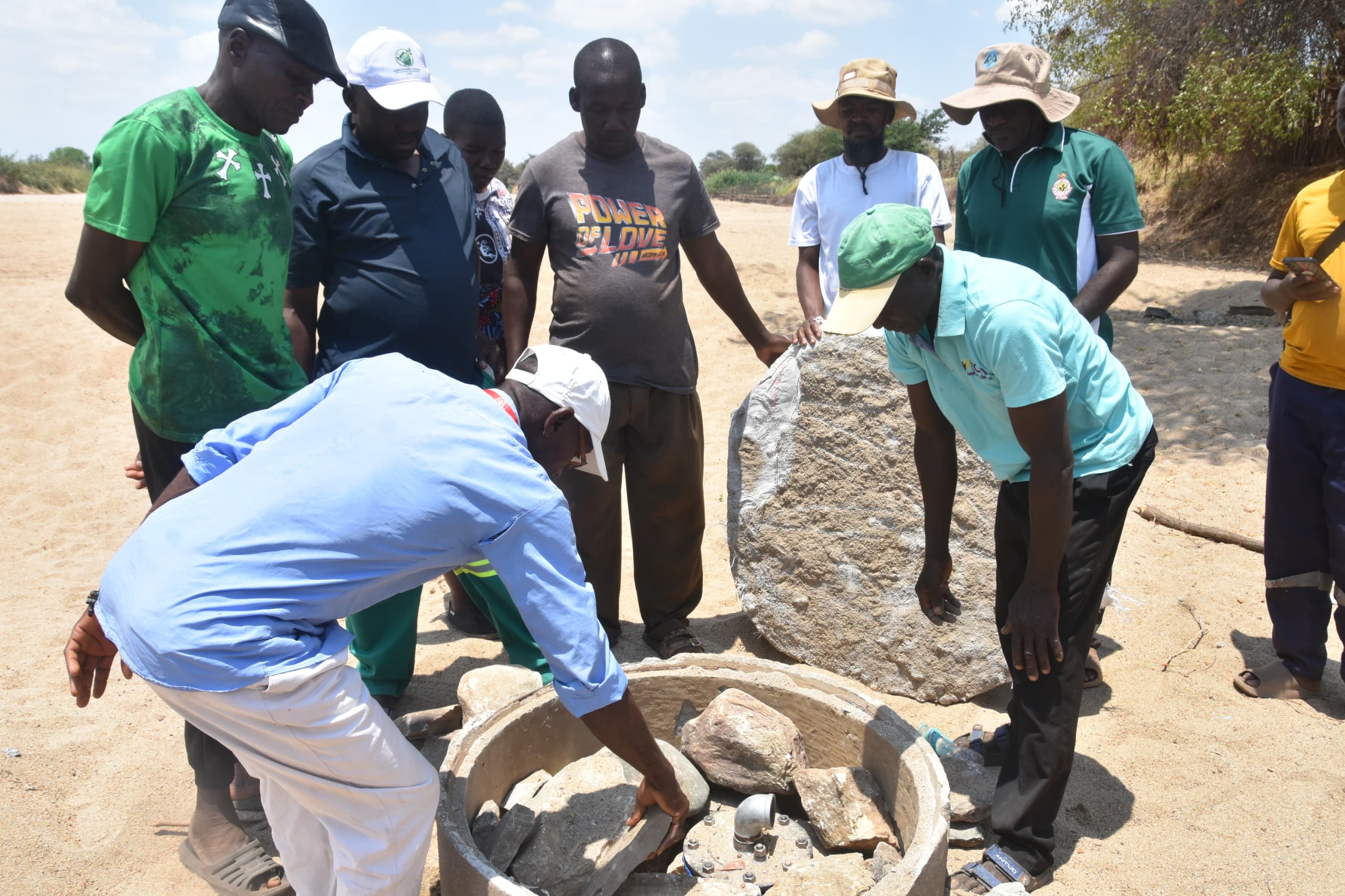
Standing at the site where a sand abstraction system is being installed, she watches as workers make progress on an intervention that could finally change the way her community accesses water.
For a woman born and raised in Mbire, the sight offers something she has waited decades to experience, the possibility of water closer to home.
“I was born here and have lived here for 35 years. Water has always been a challenge. We have spent so many years struggling, sometimes not knowing where we will get the next supply. Seeing this project taking shape gives us hope that things might finally change,” she says.
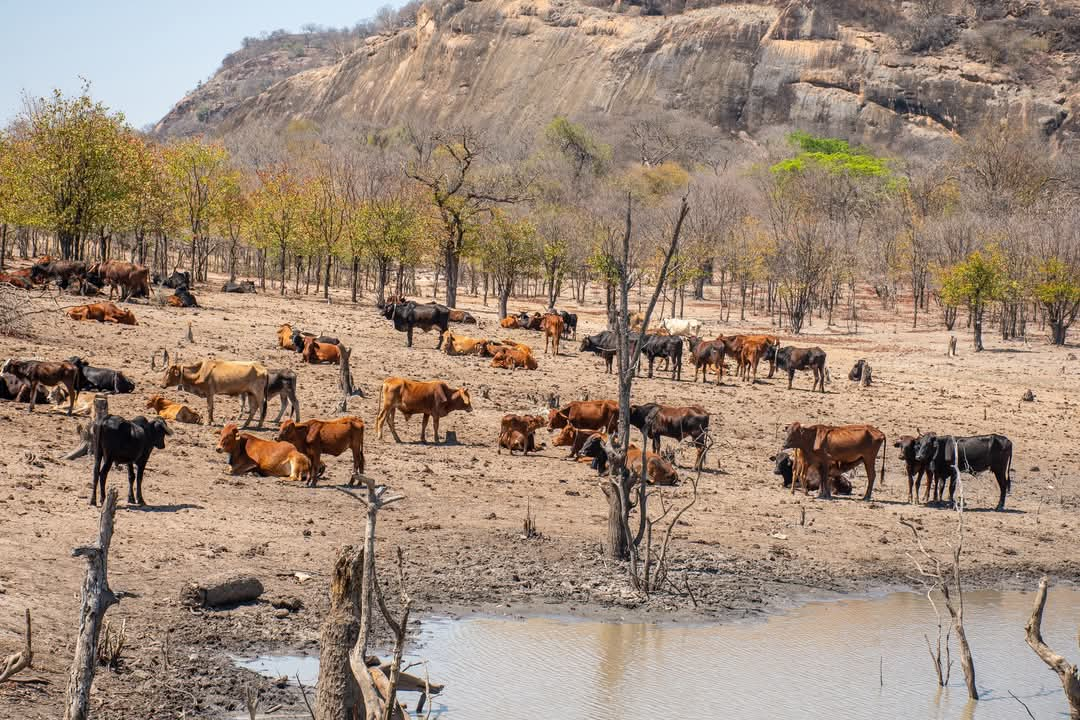
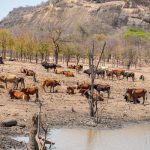
Her story reflects the reality of thousands of people living in Mbire, a drought-prone district in Mashonaland Central where water insecurity continues to weigh heavily on households.
For women in particular, the search for water often comes with an invisible cost. Hours spent looking for this essential resource mean less time for farming, caring for families and pursuing income-generating activities. Children, too, can bear the burden, sometimes sacrificing time for school and play.
Yet, as the threat of El Niño raises concerns over worsening water shortages, an intervention supported by Welthungerhilfe (WHH) is seeking to change the narrative.
Through the WHH Anticipatory Humanitarian Action Facility (WAHAFA), the organisation is supporting a water supply intervention expected to benefit more than 5,000 people across 39 villages in Mbire.
Rather than waiting for drought to deepen and households to reach breaking point, the initiative is built around anticipatory action — putting measures in place before a crisis unfolds.
John Tapedza, WHH field officer said the intervention recognises the importance of acting early to protect communities already vulnerable to climate-related shocks.
“When we know that communities are likely to face water shortages like the El Nino we are facing, we cannot afford to wait until the situation becomes desperate. Anticipatory action allows us to prepare in advance and reduce the suffering that comes with drought. This project is about protecting lives and strengthening the resilience of communities before the crisis hits,” the official said.
At the centre of the intervention is a sand abstraction system designed to access water stored beneath sandy riverbeds and channel it through a piped distribution network to targeted communities.
The technology seeks to turn an often-overlooked underground water resource into a lifeline for thousands of people who have struggled with unreliable water supplies.
The Mbire district rural technician, Victor Maringisa said the infrastructure would help bridge the gap between the availability of water beneath the sand and communities’ ability to access it.
“What we are doing is creating a system that allows us to access water stored beneath the sand and distribute it to the people who need it. The ultimate goal is to make water more accessible to communities across the 39 villages,” he said.
Once operational, the system is expected to reach 39 villages, with each village comprises of about 25 households and each with at least six family members, potentially reducing the distances travelled in search of water and easing the burden on households.
For villagers, this means the possibility of a different daily routine, one in which women do not have to spend hours searching for water, children have more time for school and families can plan their lives with greater certainty.
For Makwasha, watching the sand abstraction system take shape, however, the significance is deeply personal.
After 35 years of living with water insecurity, she is beginning to imagine a future in which her children and grandchildren might not have to experience the same struggles.