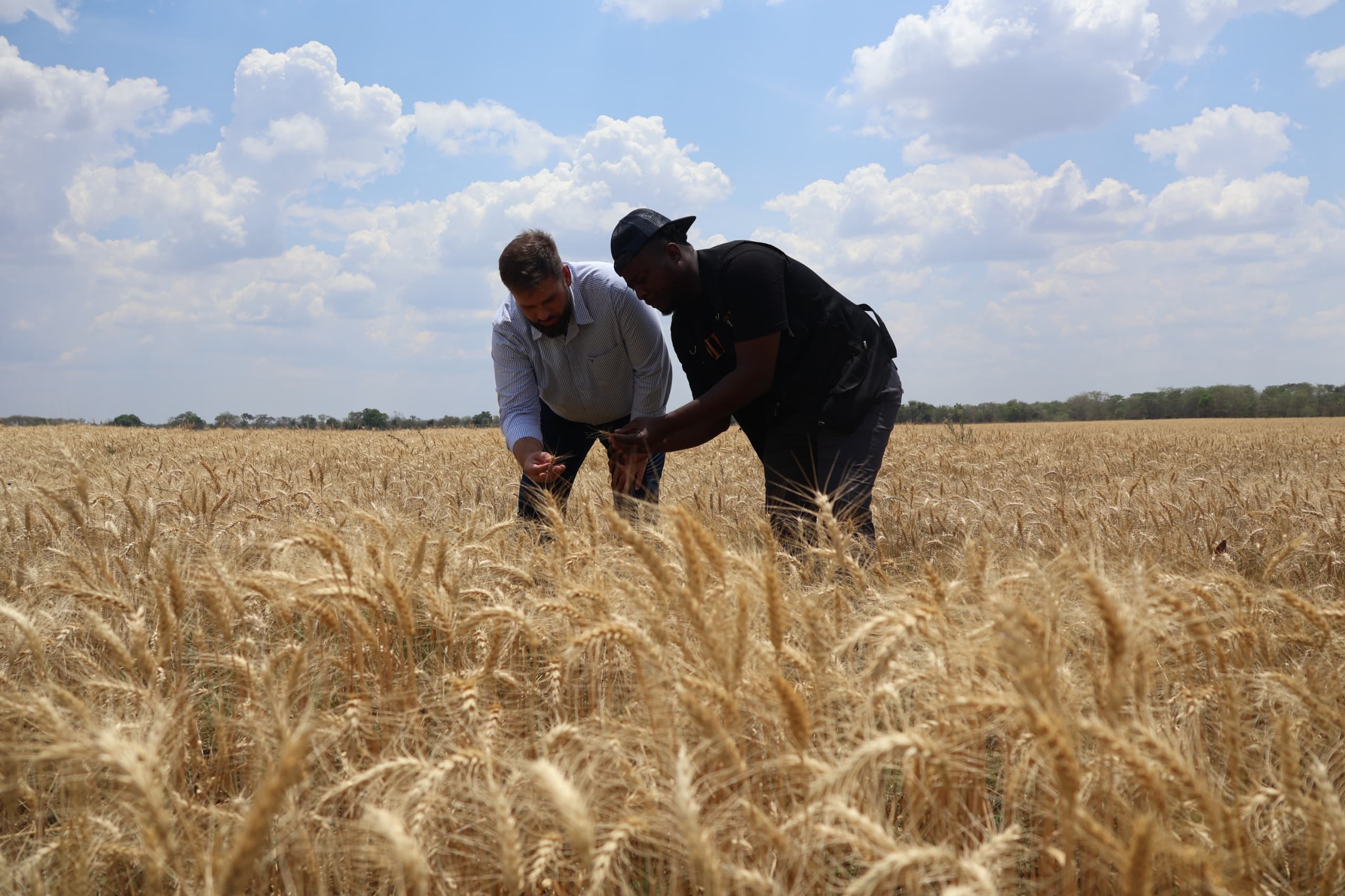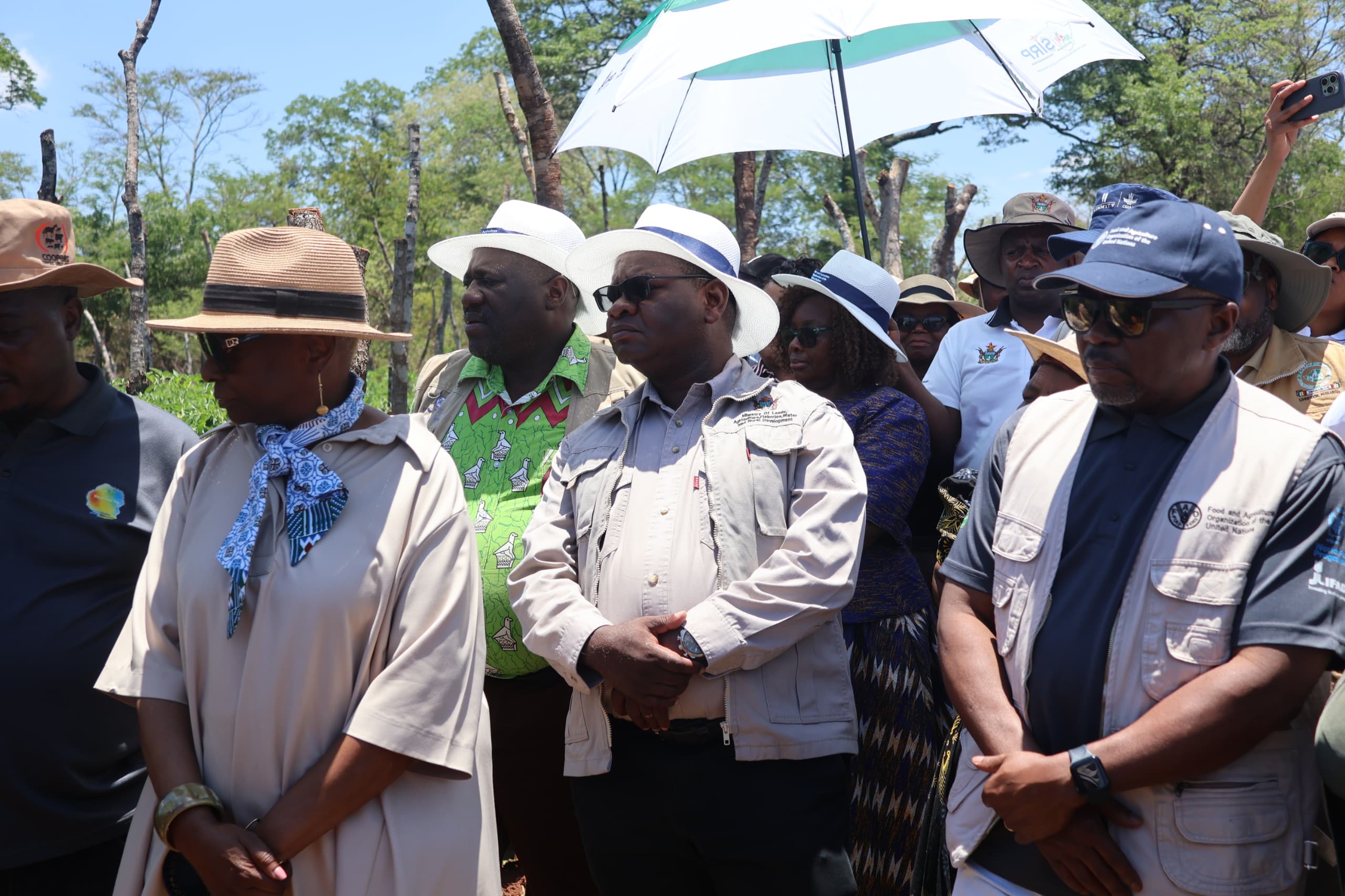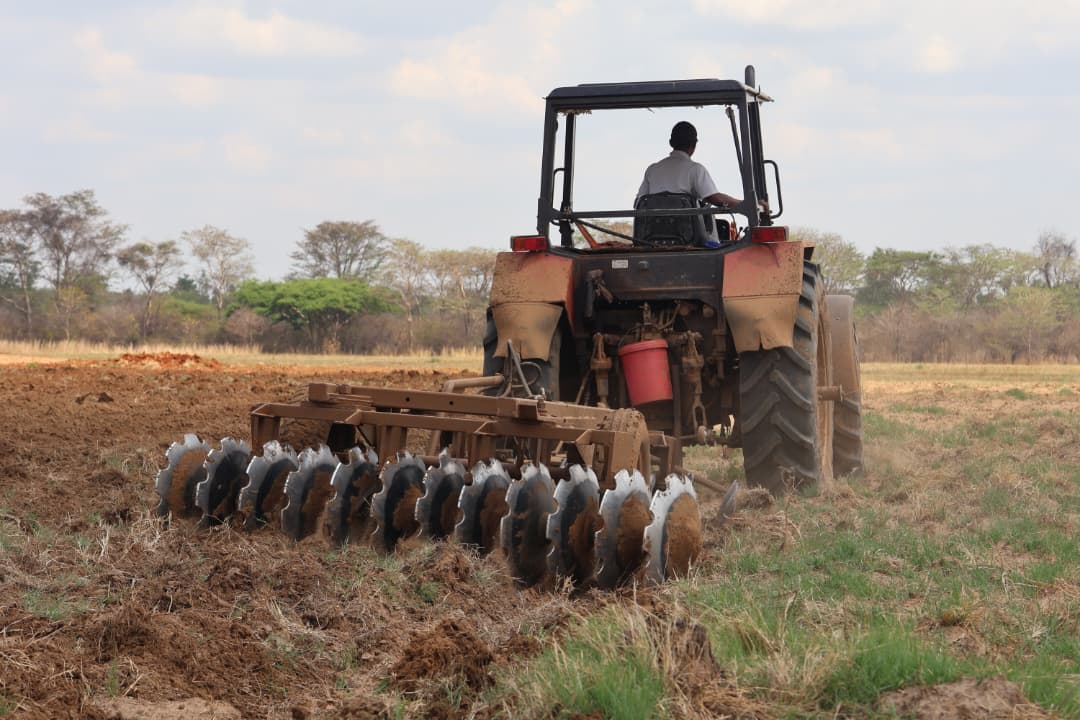






The Food and Agriculture Organization (FAO) has called on African countries to invest in scaling up successful farming practices developed by smallholder farmers, saying locally driven innovations could help improve agricultural productivity and strengthen food systems amid growing climate pressures.
FAO Sub-Regional Coordinator for Southern Africa and Country Representative in Zimbabwe, Dr Patrice Talla Takoukam, said African farmers had developed several practices that could be expanded to improve production, diversification and resilience.
He said the challenge was ensuring that successful innovations were not confined to individual farming communities but were supported and replicated on a wider scale.
“What we realise is that in Africa, especially with our farmers, we have a lot of good practices, but how do we scale those good practices by the farmers to improve our production, but not only improve production, improve productivity, but also diversification?” he said.
Talla said agricultural innovation had become increasingly important as climate change continued to affect food production while population growth increased demand for food.He said countries needed to improve agricultural productivity without relying on expanding farmland, which could further threaten the environment.
The FAO official said farmers also needed to recognise the importance of combining commercial production with food crops that contribute to household nutrition and food security.
Zimbabwe has been implementing several interventions aimed at promoting climate-smart agricultural practices and improving smallholder production.A FAO-led assessment published in September 2025 found that 45 irrigation schemes had been rehabilitated over five years, covering 2,000 hectares and benefiting more than 20,000 people.
The assessment found that some farmers who previously harvested once a year were now producing two or three cropping cycles annually through improved irrigation systems.
Technologies such as solar-powered pumps, drip irrigation and microjets were also helping farmers reduce production costs, conserve water and improve yields.
Agriculture, Mechanisation and Water Resources Development Permanent Secretary Professor Obert Jiri said the experience at Chitora Irrigation Scheme demonstrated the importance of farmers sharing knowledge and coordinating their production according to market requirements.He said farmers had developed a system of allocating crops based on market demand while ensuring that food crops remained part of their production plans.
Meanwhile, World Food Programme (WFP) Country Director Barbara Clemens said development partners needed to work together rather than implement isolated projects, adding that private sector participation was important in strengthening agricultural value chains.
She said WFP wanted to help bring partners together to support rural communities with infrastructure and investment that would allow farmers to benefit from increased production.The FAO call comes as Zimbabwe and other African countries face the challenge of increasing food production while protecting natural resources and helping farming communities adapt to changing climatic conditions.