





Access to regional and international markets is critical for improving opportunities for Zimbabwean smallholder farmers, as increased agricultural production needs to be matched with stronger market linkages and investment in agricultural value chains, the World Food Programme (WFP) has said.
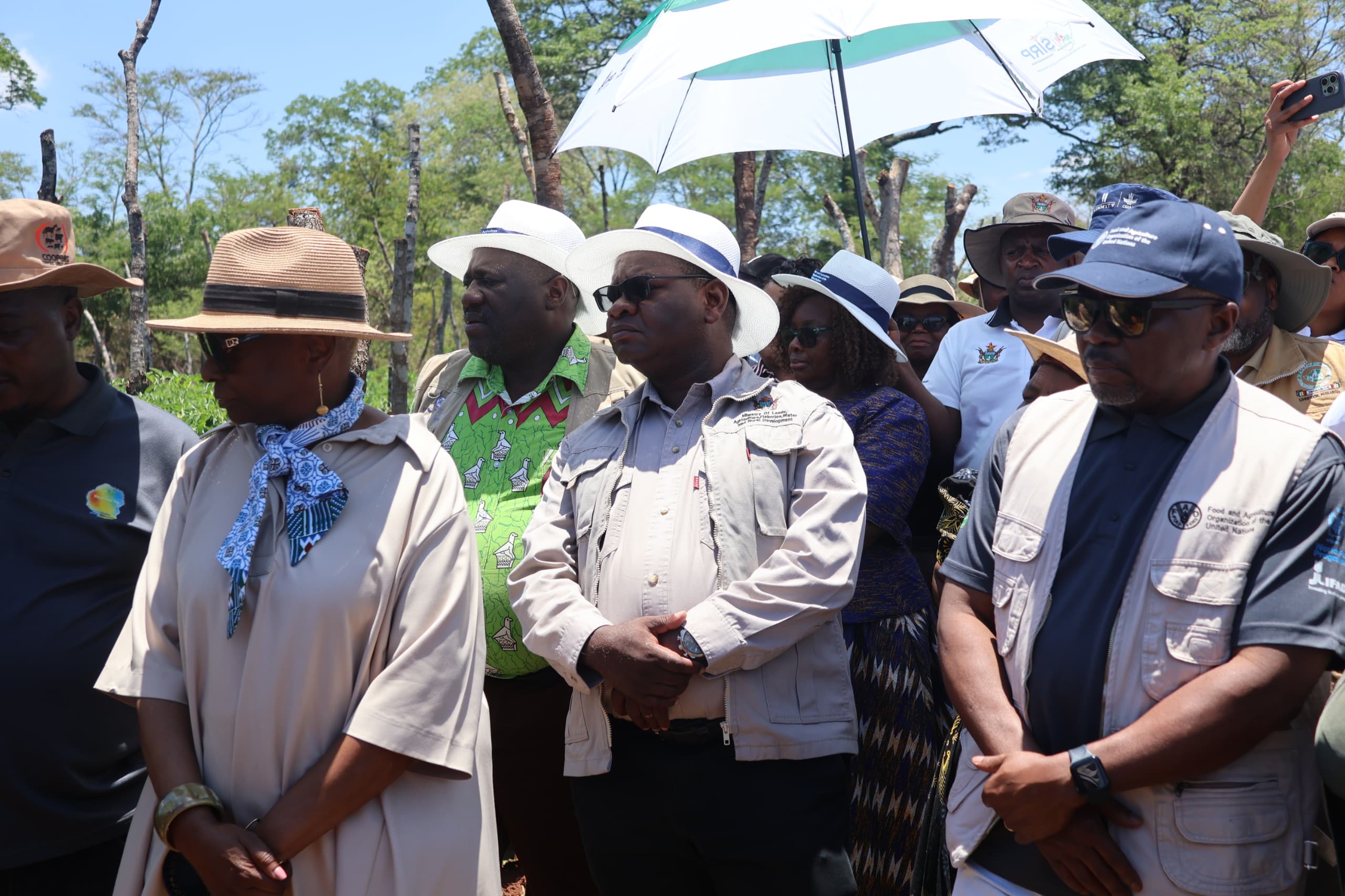
Speaking during the World Food Day celebrations at Chitora irrigation scheme in Mutoko, WFP Zimbabwe Represenative and Country Director, Barbara Clemens said the organisation was looking at playing a stronger convening role by bringing together government, development partners and private sector players to support agricultural value chains and open up markets for farmers.
Clemens said improving agricultural production needed to be accompanied by investments and partnerships that would enable farmers to access bigger markets and derive greater economic benefits from their produce.
“How can we play more of a convening role in opening up markets beyond the borders of Zimbabwe?” she said.
She said WFP wanted to move away from fragmented development interventions towards coordinated programmes that build on existing government initiatives and attract private sector participation.
Speaking during the same event, agriculture, Mechanisation and Water Resources Development Permanent Secretary Professor Obert Jiri said farmers needed to understand market requirements before deciding what to produce, arguing that agricultural production should be guided by demand.
He said farmers at Chitora Irrigation Scheme had developed a coordinated system in which they shared information about market requirements and allocated crops among themselves to avoid unplanned production.
“They know what the market requires and when and where, and they then apportion each other the crops that they must grow,” Jiri said.
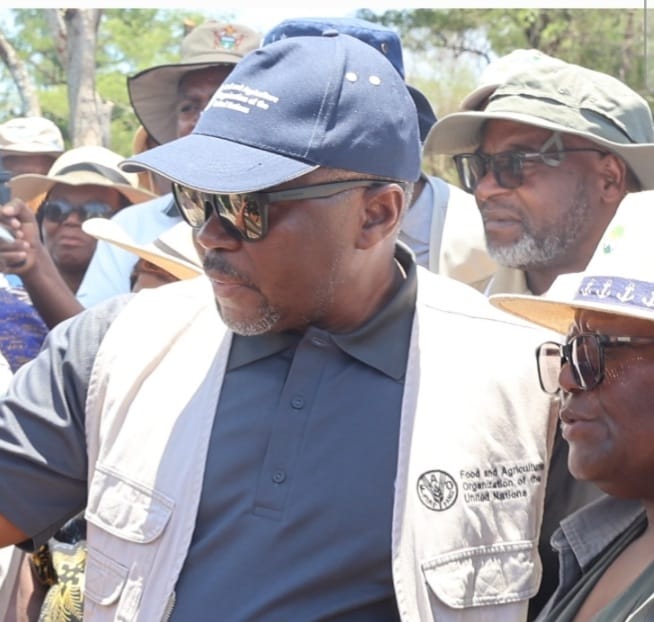
The Food and Agriculture Organization (FAO) Sub-Regional Coordinator for Southern Africa and Country Representative in Zimbabwe, Dr Patrice Talla Takoukam, said African countries needed to scale up successful agricultural practices while improving productivity and diversifying production.
He said innovation was necessary to meet the food demands of growing populations without continuously expanding agricultural land and placing additional pressure on the environment.
Zimbabwe is already pursuing efforts to attract investment into its agricultural value chains. In May 2026, Government, with technical support from FAO, established a National Post-Harvest and Agro-Processing Technical Working Group to coordinate interventions in storage, processing and food-loss reduction.
Clemens also added that her organisation was looking at the experience of countries such as China, where smallholder agricultural production had been scaled through organised farming and investment in supporting infrastructure.
She said WFP hoped that by the end of its Country Strategic Plan in 2031, rural communities would have stronger agricultural infrastructure, including warehousing and processing facilities, creating opportunities to supply regional and international markets.