
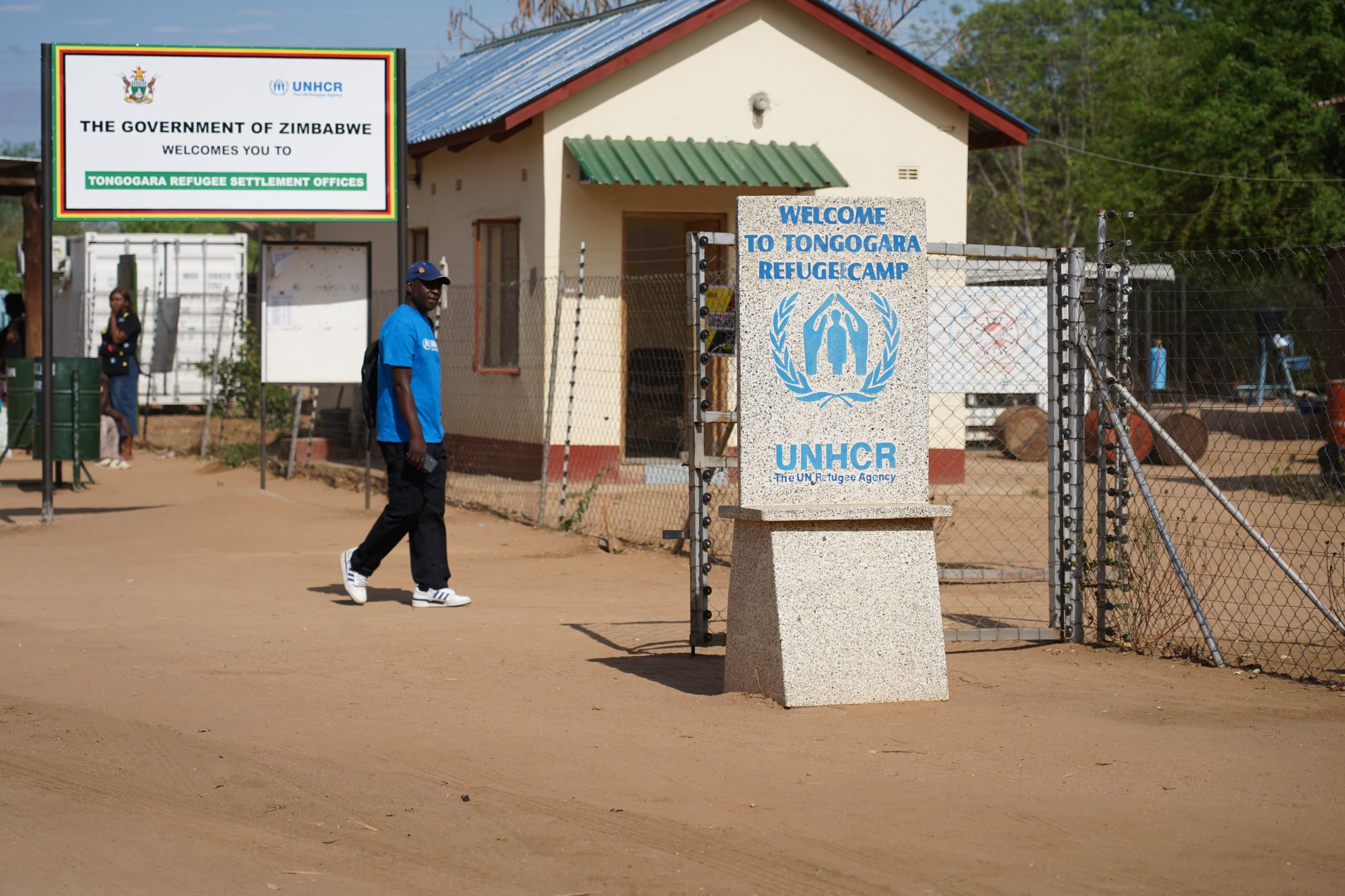
As Zimbabwe faces renewed concerns over climate-related shocks, vulnerable communities like Tongogara refugee camp, are once again finding themselves on the frontline of food insecurity.
According to reports, Zimbabwe hosts more than 23,000 refugees and asylum seekers, the majority of whom live in Tongogara Refugee Settlement. For many families, humanitarian assistance remains a critical lifeline, particularly for women, children and other vulnerable groups facing food and nutrition challenges. But humanitarian support is coming at a time when needs are increasing and resources are becoming more constrained.
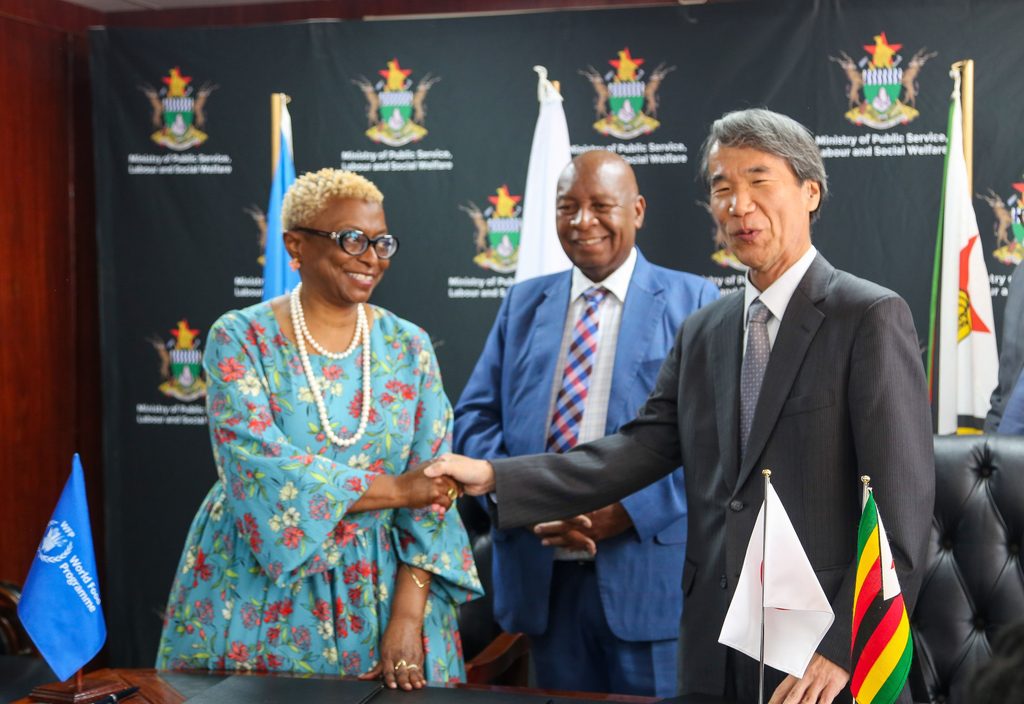
On Tuesday, Japan announced a contribution of approximately US$1.3 million through the World Food Programme (WFP) to support food and nutrition assistance for vulnerable refugees in Tongogara over the next two years.
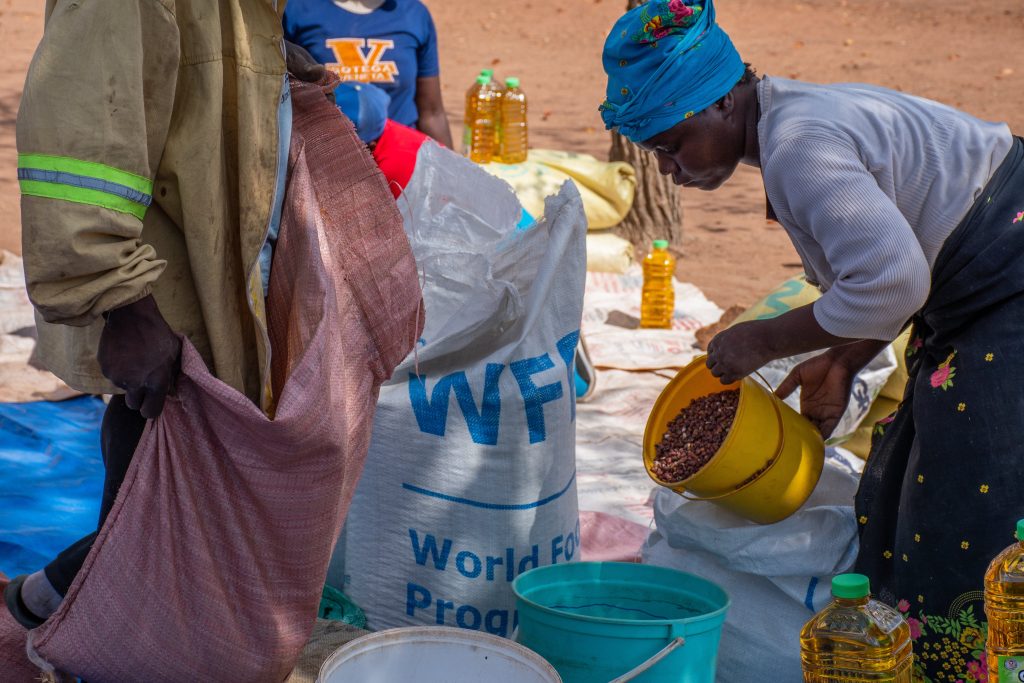
The project, titled “Strengthening Food and Nutrition Security for Refugees in Tongogara Refugee Settlement through General Food Assistance and Targeted Nutrition Support,” will provide assistance to around 11,300 vulnerable people. The support includes a food basket containing cereals such as maize, millet and sorghum, vegetable oil and pulses to address food access challenges.
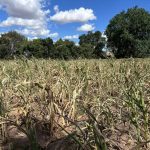
However, the intervention comes against a backdrop of growing climate uncertainty. Japan’s Ambassador to Zimbabwe, Nobutaka Maekawa, warned that, “with the possibility of a Super El Niño event, Zimbabwe could once again experience serious challenges to food security and livelihoods, particularly among vulnerable communities,” said the Ambassador adding that the current food insecurity challenges are being driven by several factors, including climate change and rising food prices linked to global crises.
While emergency food assistance remains essential, humanitarian agencies say the long-term solution lies in helping communities build resilience.
WFP Zimbabwe country director Barbra Clemence said food security depends on four interconnected areas, food availability, access, utilisation and stability.
“Refugees are not simply recipients of aid,” WFP noted, highlighting that refugees are also entrepreneurs, farmers, workers, students and community leaders seeking opportunities to rebuild their lives and contribute to society.
The organisation says investment is needed in livelihoods, skills development, agricultural production, market linkages and renewable energy to unlock opportunities within Tongogara and surrounding host communities.
Clemence said the Japanese contribution will help protect vulnerable households while supporting nutrition for children under five, pregnant and breastfeeding women, and chronically ill individuals facing heightened risks.
But beyond responding to immediate hunger, WFP says the future of refugee communities must involve pathways towards self-reliance.
In his remarks minister of Public Service, Labour and Social Welfare Edgar Moyo said as we look ahead the spectre of a potential El Niño‑induced drought looms over the 2026/27 agricultural season, the Government has already unveiled a comprehensive six‑point strategy to safeguard national food security and that the donation comes at a crucial time.
“Your donation comes at a pivotal moment, complementing Government efforts to strengthen the Strategic Grain Reserve and ensure that no one succumbs to hunger in the event of a drought. These intersecting challenges; climatic shocks, structural pressures, and global supply chain disruptions remind us that the fight against food insecurity requires sustained partnership and unwavering commitment,” he said.
The increasing frequency of climate-related challenges has placed additional pressure on already vulnerable communities. Acting early, rather than waiting for crises to deepen, has become central to humanitarian planning.
Japan says its support aims not only to address immediate food needs but also strengthen preparedness and resilience against climate-related shocks.
The country has also supported broader initiatives linked to food security and livelihoods in Zimbabwe. Over the past seven years, Japan says it has provided US$12.7 million in food assistance through WFP, supporting about 227,300 people. It has also supported agricultural production through fertilizer assistance to smallholder farmers and climate-resilient agriculture programmes.
Japan has also supported other areas affecting refugee wellbeing, including the rehabilitation of a clinic at Tongogara Refugee Settlement to improve access to essential health services. Through its partnership with UNHCR, Japan has also supported education for refugee children and infrastructure development in Tongogara.