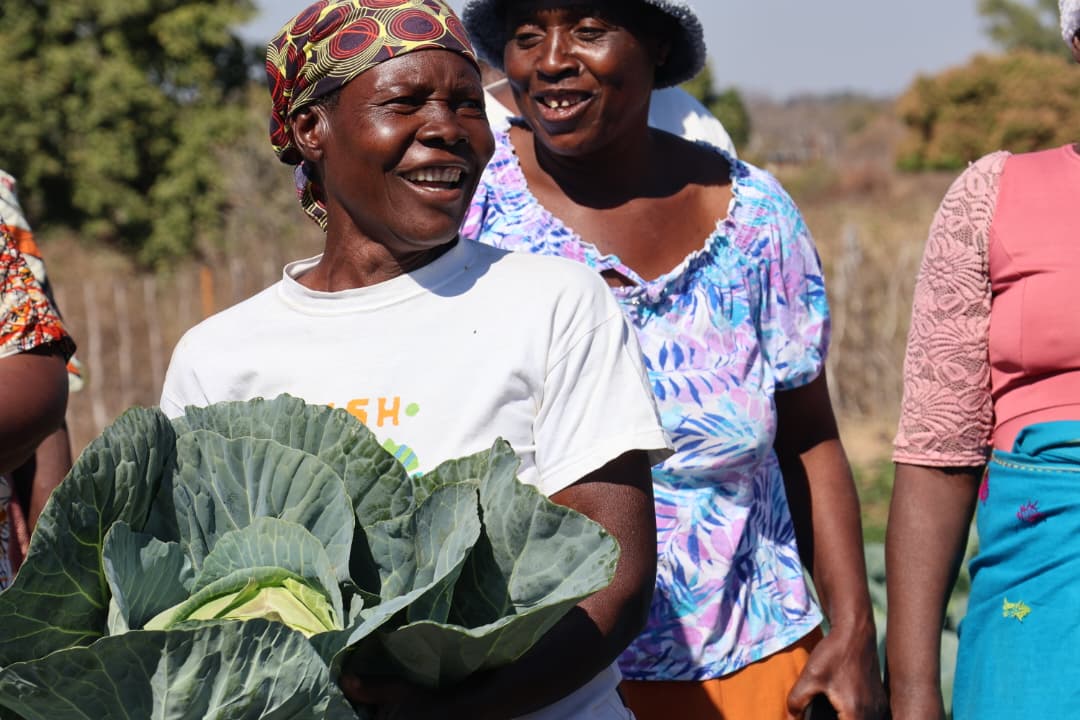


Supported by SOS Children’s Villages’ support in Shamva, a dedicated group of women in Fakanya Village, Shamva, are transforming their lives and communities through a thriving piggery project.
Known as Bvumazvipere, a Shona phrase they interpret as “Commit and your suffering ends,” this group of 45 women has embraced pig farming as a pathway out of chronic financial insecurity. What began as a modest livestock initiative has blossomed into a structured production unit, where these women meticulously manage the entire pig value chain, from breeding to marketing .
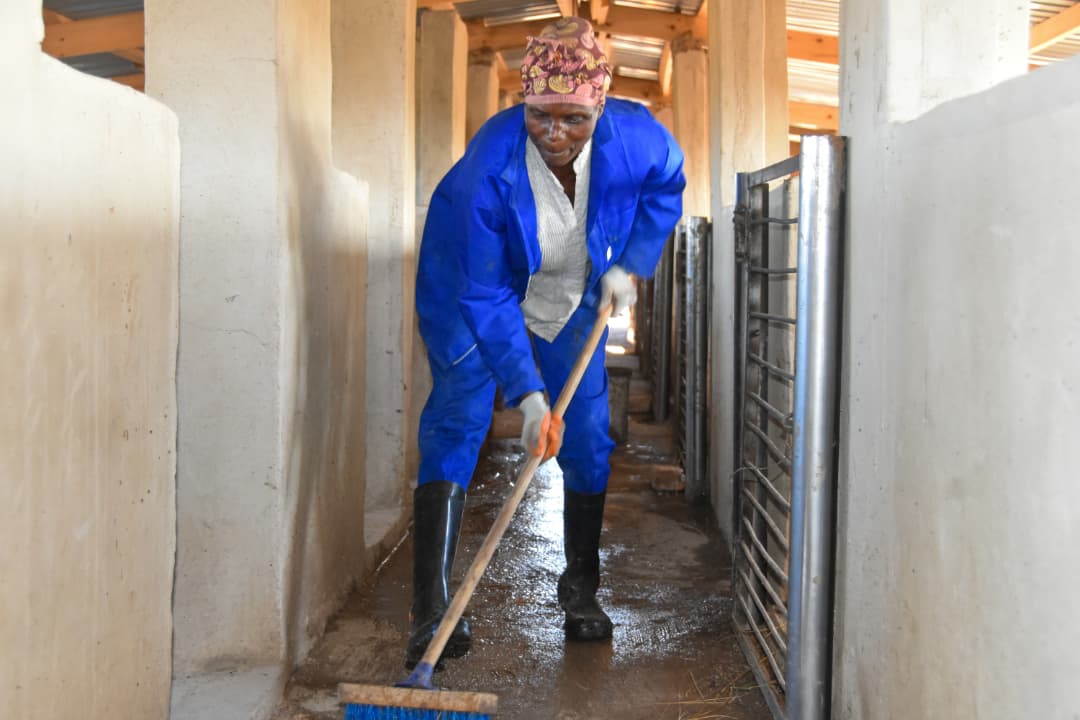
Their daily routine begins at dawn, a testament to their collective commitment. They move through the pigsties, diligently inspecting feed, cleaning pens, mixing rations, and monitoring the health of their animals. These pigs are more than just livestock; they represent household income, school fees for their children, and future capital. The women have taken on responsibilities typically associated with trained livestock technicians, handling internal breeding, monitoring heat cycles, and managing mating and reproduction schedules .
Farrowing, the most critical and demanding stage of pig production, is managed with exceptional care. Recognizing the high risks of piglet crushing and mortality in unmanaged systems, the Bvumazvipere women rotate shifts, often staying through the night to supervise farrowing sows. Their constant presence ensures that newborns survive their fragile first hours, a full production responsibility that underscores their dedication .
Beyond income generation, the project aims to strengthen household resilience through sustained pig production, diversified income streams, and improved food security. For many of the women, like Florence Zuze, the project signifies more than just financial gain. “The piggery project has already shown us that it can transform our lives,” she stated. “We want to use the proceeds for school fees, better homes and other projects” . This sentiment reflects a deeper shift: women are now managing complex production cycles, including reproduction, mortality risk, labor coordination, and financial planning.
Malven Manyeza, Coordinator for SOS Children’s Villages in Shamva District, emphasizes that this initiative is integral to their family-strengthening approach, directly linking income generation to child welfare outcomes. “You cannot support a child unless you support the family,” Manyeza explained. “That is why we combine income generation, infrastructure support and skills development” .
This transformative project is significantly supported by SOS Children’s Villages, which invested US$50,000 into the initiative. This funding facilitated the drilling and installation of a solar-powered borehole, the construction of robust pigsties, perimeter fencing, a guardroom, and a comprehensive feed package for the initial three production cycles. This investment provided the essential infrastructure, but it is the women themselves who operate the system daily, demonstrating remarkable self-sufficiency and managerial prowess .
The initiative directly benefits 45 households, selected through a collaborative process involving the Project Management Committee, SOS Children’s Villages, AGRITEX, and the Ministry of Primary and Secondary Education. This inclusive selection model fosters community ownership and integrates technical oversight from government extension services and development partners .