




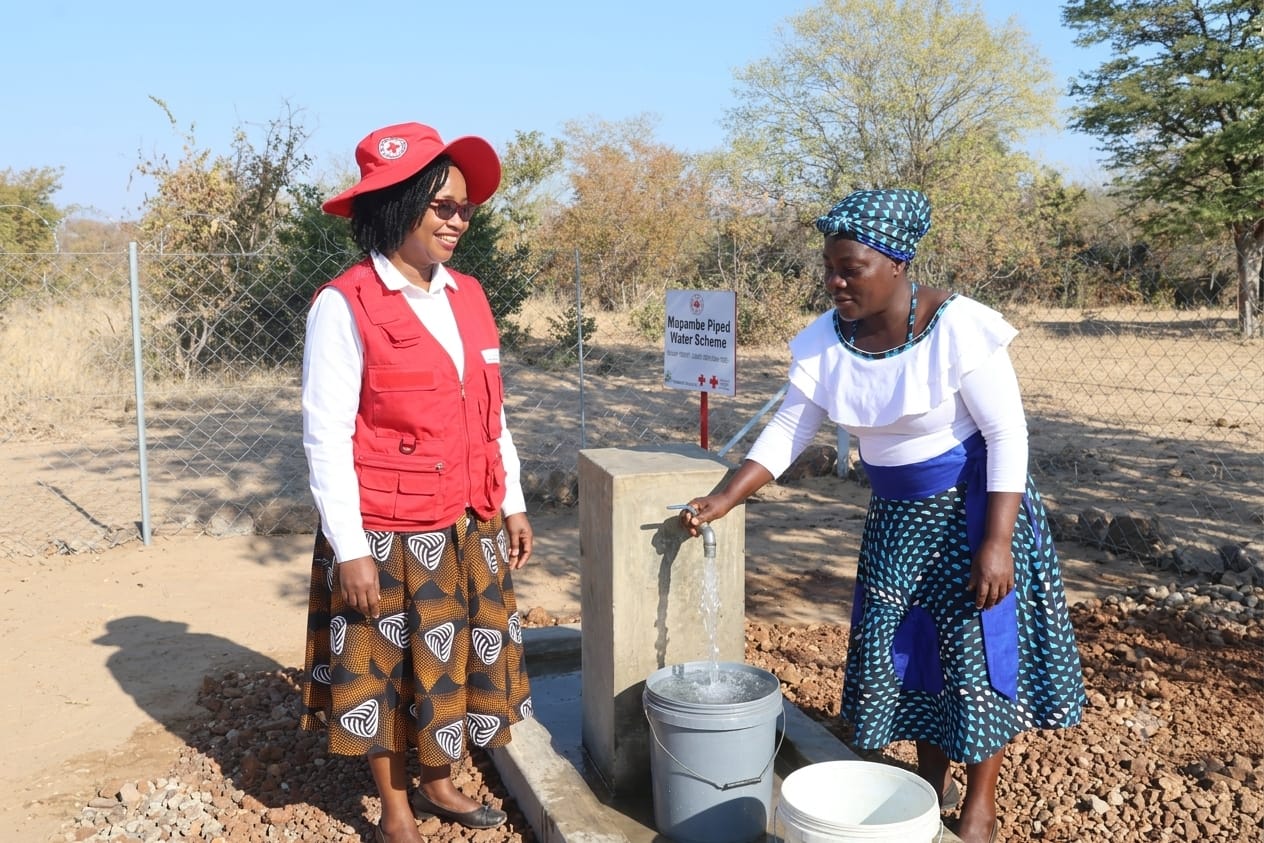
WOMEN in Mupambe village under Chief Saba in Binga have been left with smiles after a solar-powered water scheme ended years of walking up to 10 kilometres daily in search of water, a burden that had defined life for households in the drought-prone area.
The transformation follows the rehabilitation of a long-failing borehole into a solar-powered water supply system implemented by the Zimbabwe Red Cross Society (ZRCS) in partnership with the Finnish Red Cross and Danish Red Cross under the Climate-smart Resilience Programme.
The system now supplies clean water to Mupambe Primary School, Mupambe Secondary School and surrounding villages, including Kakonde and parts of Nkombo, significantly reducing the long and often unsafe journeys previously undertaken by women and girls.
For years, women woke up before sunrise to fetch water from distant sources, while others relied on donkey carts to transport the scarce resource.
“There were times when women were at risk because of moving around in the darkness,” said resident Lambiye Munkuli, reflecting on the hardships that defined daily life.
Village head Jairos Mupande said water shortages had also exposed community members to safety incidents along water routes, some of which were treated as criminal cases.
“When cases were reported, they were taken to the police because they were criminal issues,” he said.
The burden was particularly severe for school-going girls, who often struggled to maintain hygiene during menstruation due to water shortages, resulting in absenteeism.
Sixteen-year-old learner Thandiwe Moyo said the situation had previously disrupted education for many girls.
“When there is no water, it becomes very hard for us girls,” she said.
“Some girls even stay away from school during their periods because they cannot manage without water.”
With the new solar-powered system now in place, schools in the area have reported improved sanitation conditions, reduced absenteeism and a safer learning environment.
Mupambe Secondary School head Mr Eliot Mudenda said the intervention had restored dignity in education.
“Things have changed. The situation is now conducive for girls and that is leaving no one behind,” he said.
ZRCS field officer Mrs Spiwe Nyathi-Sibanda said the project was implemented to ensure vulnerable communities benefited directly, despite challenges encountered during rollout.
Binga District Development Coordinator Mr Land Siansole Kabome praised the intervention, saying coordinated efforts ensured the project reached its intended beneficiaries.
For women like Emelia Mudenda, the change has brought relief beyond convenience.
“Water is life. When water is far away, women suffer the most because we are responsible for the home,” she said.
The project has also enabled households to revive nutrition gardens and improve food security in a region increasingly affected by erratic rainfall patterns.
ZRCS officials said the intervention reflects a growing recognition that women are both the most affected by water scarcity and central to climate adaptation solutions in rural communities.
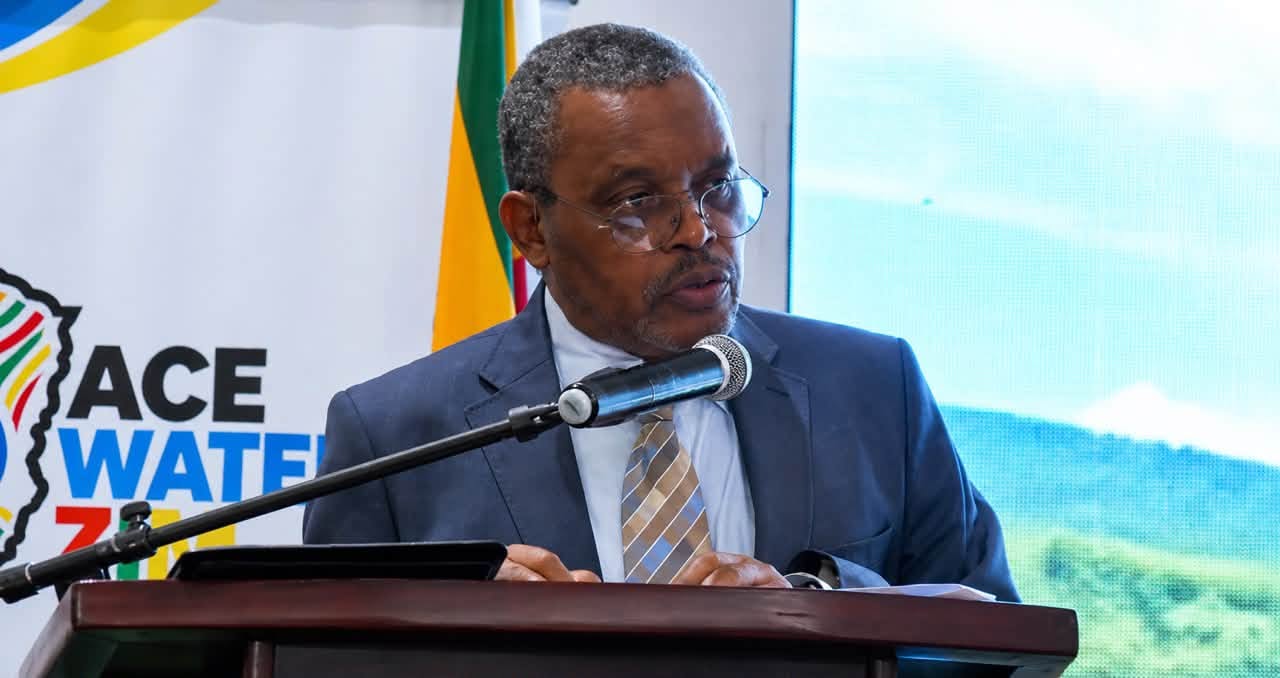
Zimbabwe Red Cross Society president, Mr David Chaliyanika, said the sustainability of the projects depended on community ownership.
“The success of these projects reflects what can be achieved when communities take the lead in identifying solutions to challenges affecting their lives. Access to water is one of those and we have addressed it,” he said.