




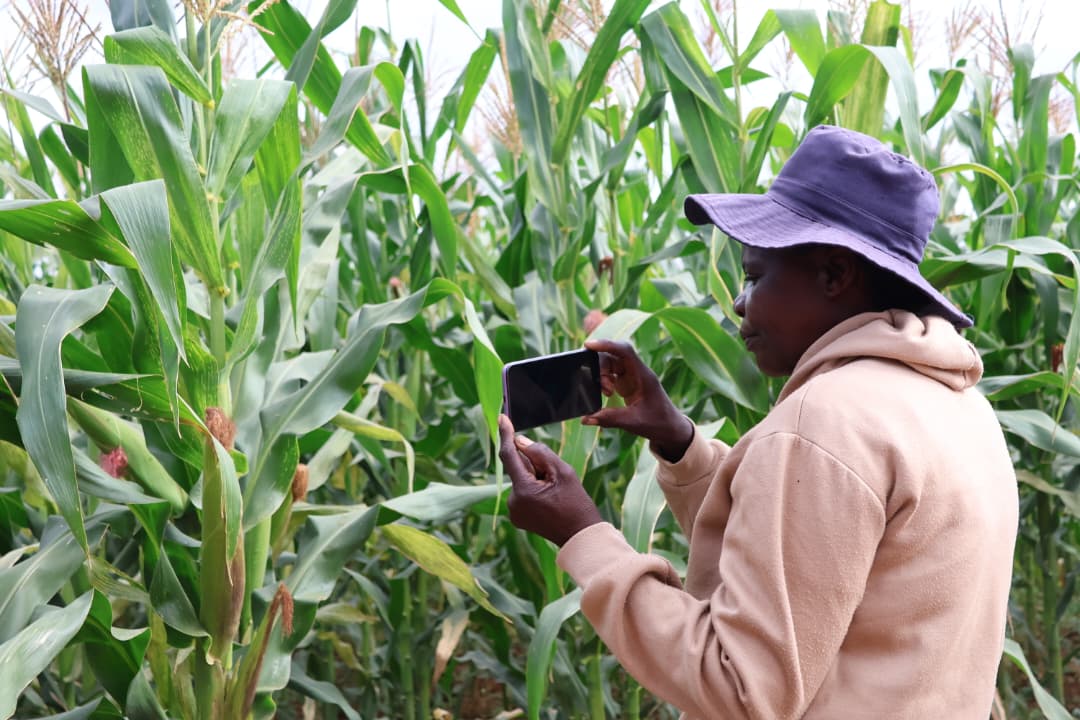
MORE than 1 000 smallholder farmers in Mhondoro-Ngezi District have embraced digital agriculture under a Food and Agriculture Organization of the United Nations (FAO)-led programme aimed at modernising rural farming, improving market access and narrowing the digital divide.
The initiative, being implemented under the Digital Villages Initiative (DVI) in partnership with the Government, is equipping communal farmers with digital skills to access agricultural information, connect with markets and adopt climate-smart farming technologies.
Food Security Monitoring and Digital Agriculture Specialist under the programme, Mr Dowsen Sango, said the project was empowering farmers with knowledge rather than handouts.
“The knowledge you got is not yours alone. Let us learn to share. We taught you so that you teach others,” he said.
“We do not give you donations; we empower you with knowledge so that you become self-sustaining through your God-given resources.”
Mhondoro-Ngezi District Agricultural Business Advisory Officer Ms Nola Marumbwa said the programme was ensuring that rural communities were not left behind in the digital transformation of agriculture.
“The use of digital gadgets is a way of reducing the digital divide amongst our communal communities and smallholder farmers,” she said.
“FAO has introduced smart agriculture systems and digital tools so that farmers can produce using current technologies and skills.”
She said farmers were being trained to use smartphones, email, Facebook and WhatsApp platforms to access extension services, market their produce and connect with agro-dealers and service providers.
The programme is also exposing farmers to emerging technologies, including artificial intelligence applications that assist in crop diagnosis and production planning.
Beyond digital literacy, the initiative is promoting group farming to improve production efficiency and strengthen farmers’ bargaining power.
Ms Marumbwa said organised producer groups were enabling farmers to buy inputs in bulk, reduce transport costs and collectively meet market demand.
“We are encouraging farmers to treat farming as a business. Every production cycle should be planned with clear cost calculations, including inputs, labour, transport and expected returns,” she said.
The programme has also introduced digital champions drawn from lead farmers and agro-technology partners to ensure knowledge is cascaded throughout rural communities.
Officials said the initiative forms part of broader efforts to strengthen climate resilience, improve agricultural productivity and transform rural communities into digitally connected agricultural hubs.
As digital technologies continue to gain ground in communal areas, Mhondoro-Ngezi is emerging as one of the country’s leading districts in the adoption of technology-driven farming systems.