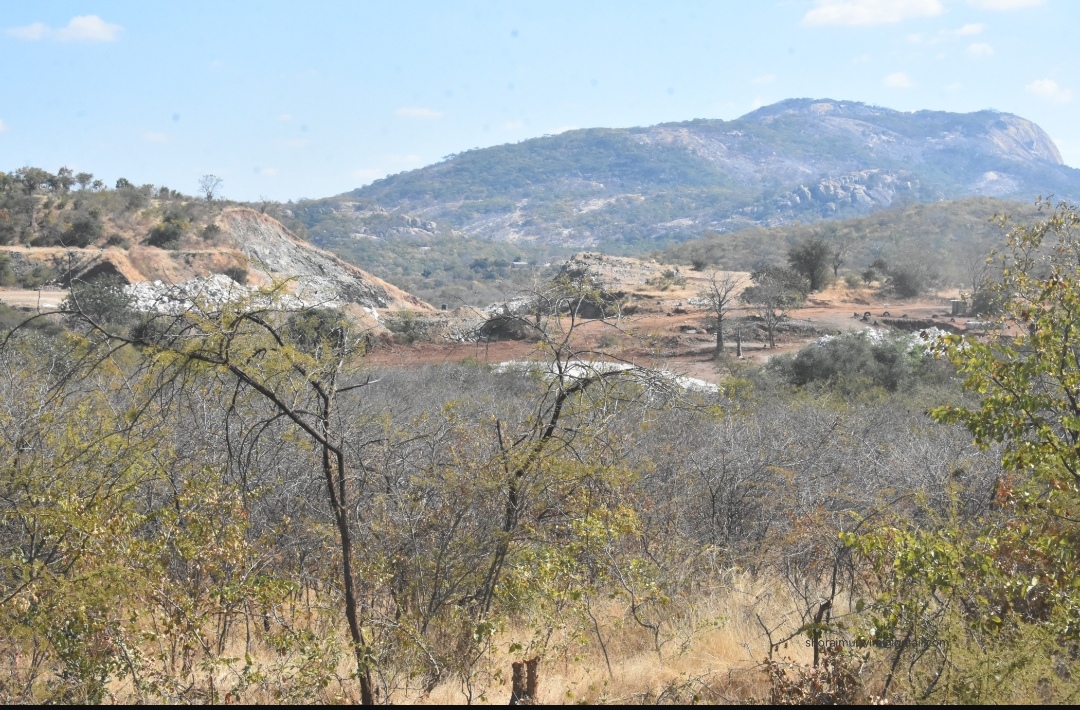

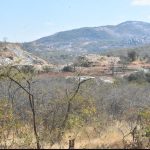

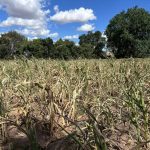


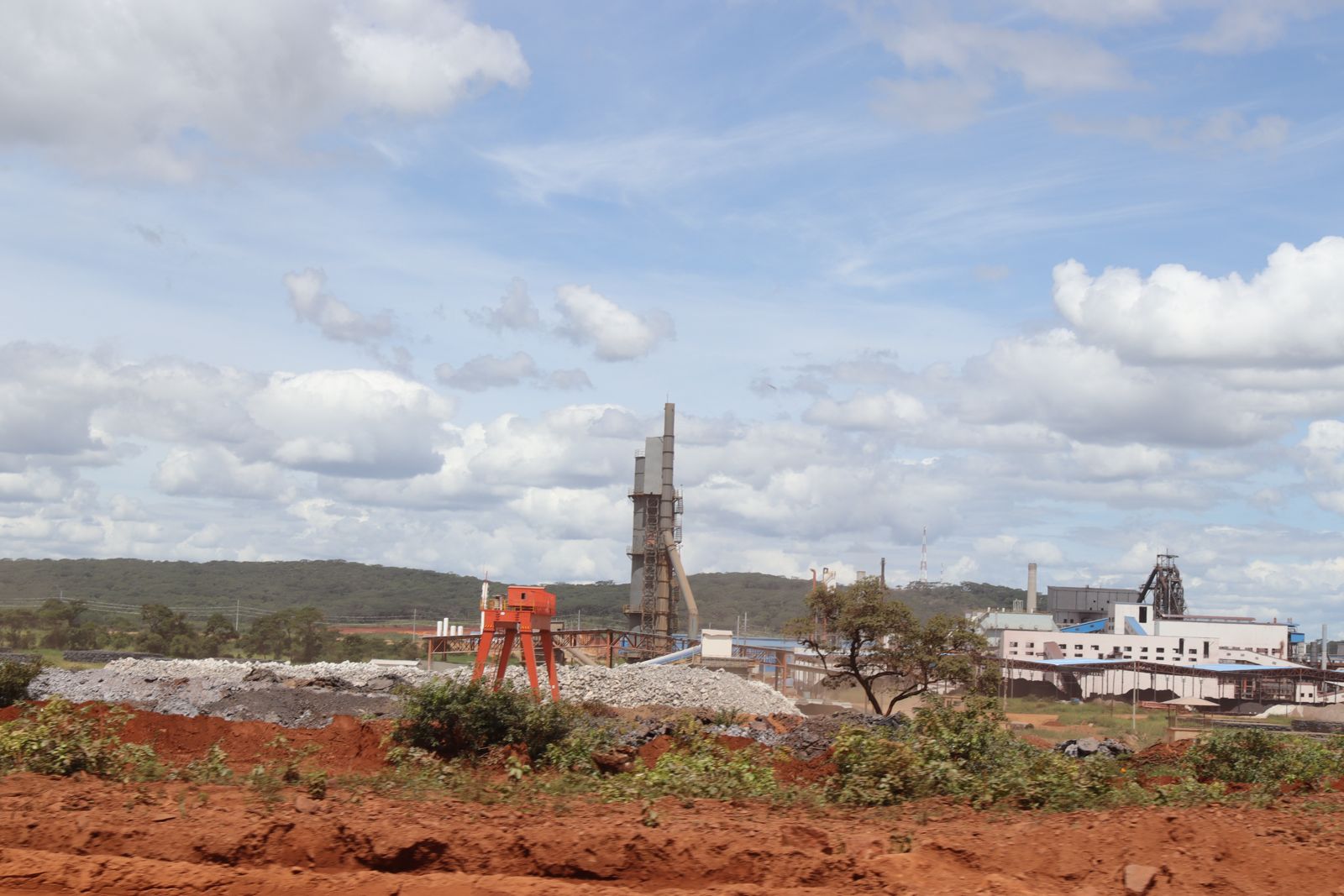
For more than four years, elderly villagers in Mushenjere village have watched their farmland disappear behind the walls of a sprawling industrial complex owned by the Dinson Iron and Steel Company (DISCO), leaving many trapped in poverty, hunger, and uncertainty.
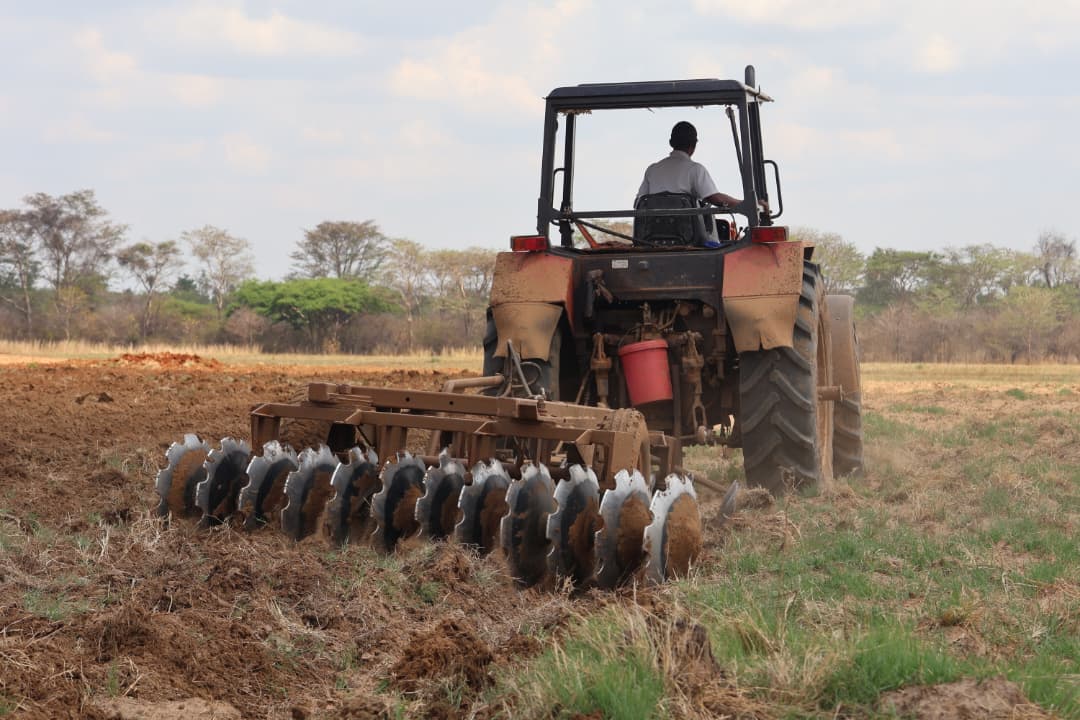
What was once productive agricultural land sustaining generations of rural families has now become part of Zimbabwe’s rapidly expanding industrialisation project in Manhize.
In a strongly worded press statement released on May 27, the Centre for Natural Resource Governance (CNRG), accused authorities and company officials of failing displaced families and ignoring worsening humanitarian and environmental conditions around the mining and industrial operations.
“The Centre for Natural Resource Governance (CNRG) is deeply concerned by the worsening humanitarian, environmental, and governance crisis surrounding the Dinson Iron and Steel Company operations in Manhize, where displaced communities continue to suffer under poor living conditions, unclear relocation arrangements, and environmental harm,” the organisation said.
According to CNRG, communities relocated to pave way for the Dinson Industrial Park are struggling without adequate water supplies after six boreholes drilled at relocation sites reportedly turned into dry holes.
Families also allege that compensation processes were unfair because the land was classified as state land, meaning payments only covered structures and trees rather than the full livelihood value of the land they depended on for farming and survival.
At the centre of the crisis are approximately 22 families from Mushenjere village, many of them elderly residents aged between 80 and 90 years.
“These villagers, especially elderly women who depend on subsistence farming, have lost access to their agricultural land following mining expansion,” reads part of the statement.
The organisation said the company fenced off all arable land during construction of the industrial complex, effectively cutting communities off from farming activities that had sustained them for decades.“Consequently, for more than four years the affected families have not been able to grow crops for subsistence — thereby condemning them to perennial food insecurity,” the statement reads.
Residents are now reportedly surviving on irregular subsistence payments of US$200 every other month, an amount community advocates say is grossly inadequate given Zimbabwe’s rising cost of living.
“At one point, these payments reportedly stopped for more than five months until communities protested,” CNRG added.Beyond loss of land, villagers are also battling environmental pollution from mining and limestone crushing operations taking place near their homes.