




Bindura, Zimbabwe — The Government has intensified calls for farmers to move beyond primary agricultural production and embrace agro-processing and value addition as part of efforts to strengthen rural economies and boost export potential.
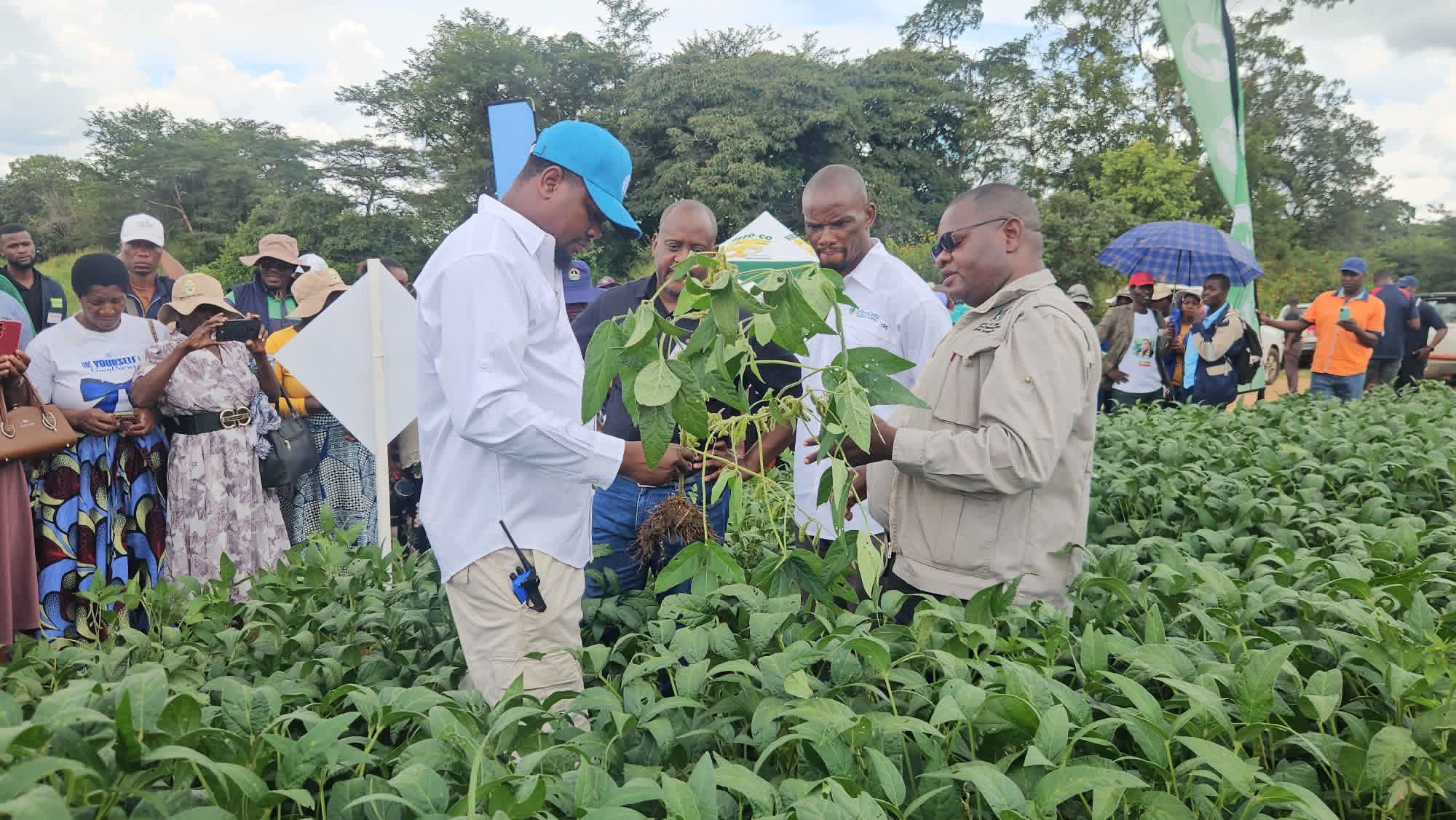
Speaking during a field day at Kunatsa Estates, Permanent Secretary in the Ministry of Lands, Agriculture, Fisheries, Water and Rural Development Obert Jiri urged farmers to adopt a value-chain approach that integrates production with processing and marketing.
Prof. Jiri said the future of Zimbabwe’s agriculture sector lies not only in producing crops but also in establishing agro-industries in rural areas that can process raw agricultural products into finished goods for both local and international markets.
“Farmers must begin to look beyond production and embrace value addition and agro-processing. This will allow communities to benefit more from what they produce while creating employment and expanding markets,” he said.
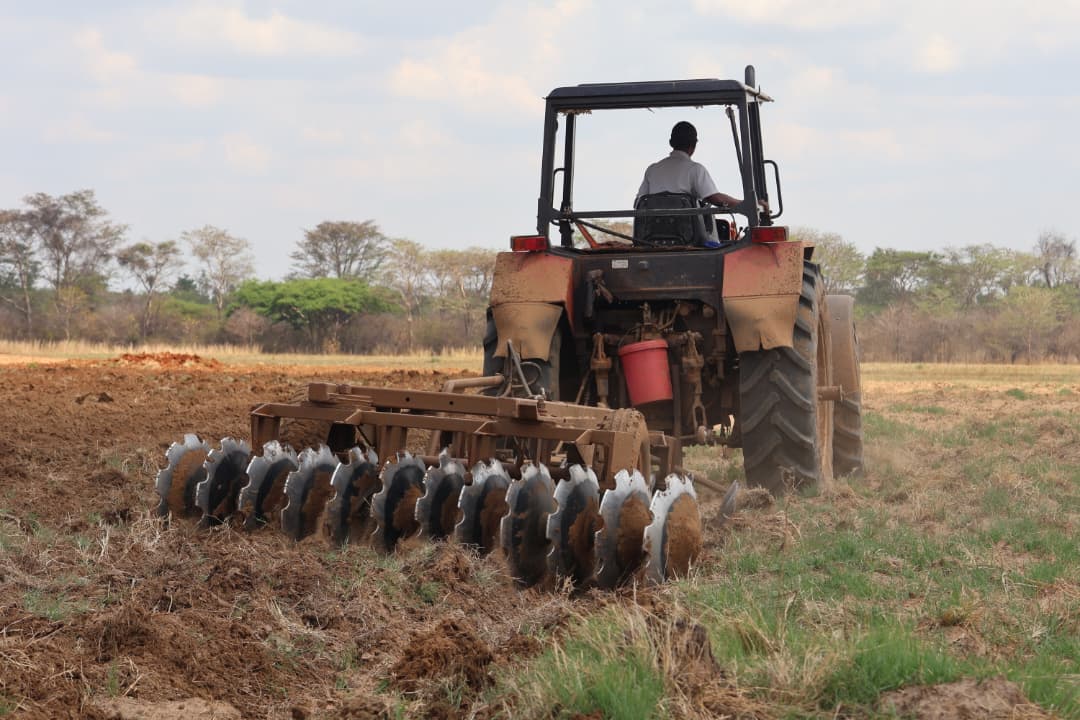
The field day showcased large-scale commercial crop production at Kunatsa Estates, where 480 hectares of maize are projected to yield about nine tonnes per hectare, while 300 hectares of soyabeans are expected to produce approximately 3.5 tonnes per hectare.
According to Prof. Jiri, integrating value addition into farming systems will help reduce post-harvest losses while strengthening agriculture’s contribution to economic growth and rural industrialisation.
He also emphasised the importance of developing local processing facilities, saying this would ensure that agricultural products are processed closer to farming communities rather than being exported as raw materials.
Zimbabwe’s agriculture sector remains a cornerstone of the national economy, supporting millions of livelihoods and playing a critical role in ensuring national food security.
Government has in recent years been encouraging farmers to diversify production and strengthen agricultural value chains in order to maximise productivity and increase the sector’s contribution to economic development.
The field day also provided an opportunity for farmers and agricultural stakeholders to exchange knowledge on best farming practices, productivity improvements and market-oriented agriculture.