


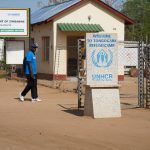

As Zimbabwe faces intensifying drought cycles and mounting pressure on fragile food systems, the World Food Programme (WFP) Zimbabwe and the Zimbabwe Investment and Development Agency (ZIDA) signed a Memorandum of Understanding aimed at drawing the private sector into the country’s food security response.
Rather than positioning food insecurity purely as a humanitarian concern, the new agreement signals a deliberate shift toward investment-driven and climate-resilient solutions.
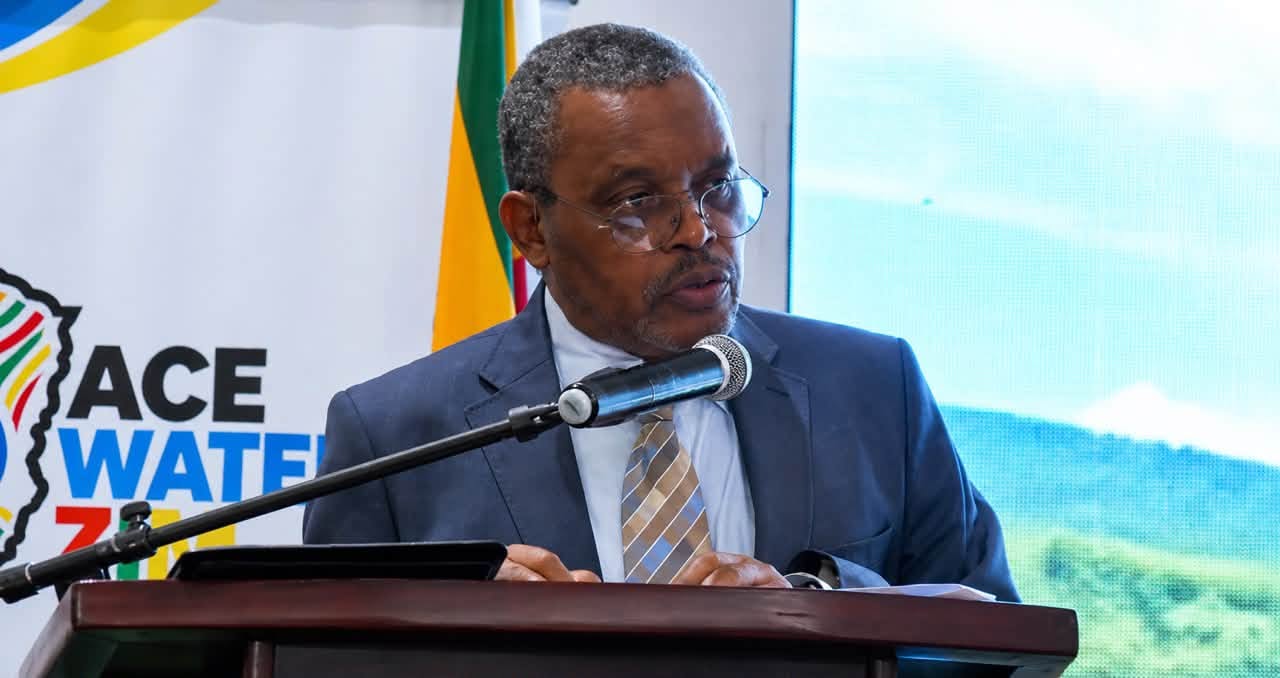
In a joint announcement, WFP representative Country Director Barbra Clemens said the agreement “opens new doors for smarter, stronger partnerships” at a time when resource constraints and climate shocks continue to strain food systems.
“In a time when every solution counts, achieving #ZeroHunger means thinking bigger and working together. Public private partnerships are not just an option, they are the opportunity,” Ckemens said.
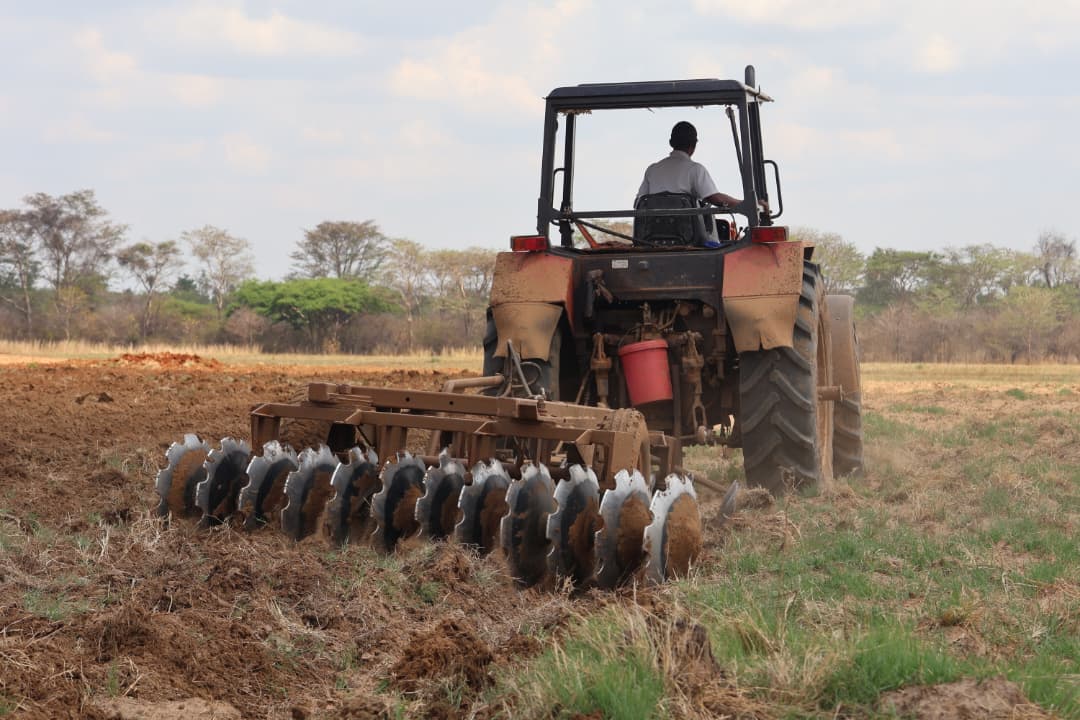
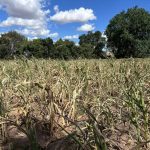
Zimbabwe has endured recurring El Niño-induced droughts, erratic rainfall patterns and rising agricultural input costs, leaving millions vulnerable to food shortages.
Against this backdrop, development partners are increasingly exploring blended finance models that combine donor support with private capital to strengthen long-term resilience.
The MoU between WFP and ZIDA is expected to mobilise private sector investment into agriculture value chains, food distribution systems and climate-smart production methods.
By leveraging innovation, logistics expertise and supply chain efficiencies, the partnership aims to complement humanitarian relief efforts with sustainable, market-based interventions.
For ZIDA, the agreement reframes food security as both a national development priority and a viable investment frontier. Agribusiness expansion, cold-chain logistics, irrigation systems and renewable-powered farming infrastructure could now receive stronger institutional backing under the collaboration.
The partnership also aligns with global efforts to accelerate progress toward Sustainable Development Goal 2, Zero Hunger, at a time when climate change is reversing food security gains across Southern Africa.
As climate variability becomes the new normal, the WFP-ZIDA deal reflects a broader recognition that emergency food aid alone is no longer sufficient.
The future of food security in Zimbabwe may increasingly depend on how effectively humanitarian agencies, investors and government institutions work together to climate-proof the country’s food systems.